
NEW YORK (AP) — Federal banking regulations were expanded Friday as the Treasury Department enhanced ways for financial institutions to assist with immigration enforcement efforts under President Donald Trump’s administration, according to new guidance released by officials.
The updated rules allow banks to exchange customer information more quickly and include fresh advisory materials directing financial institutions to watch for indicators that account holders might not have proper immigration documentation.
These regulatory modifications represent part of the current administration’s strategy to exclude workers without legal status from the banking sector, though officials have not directly required banks to take such action. Administration leaders have positioned these measures as anti-fraud and anti-crime initiatives rather than explicitly immigration-focused policies.
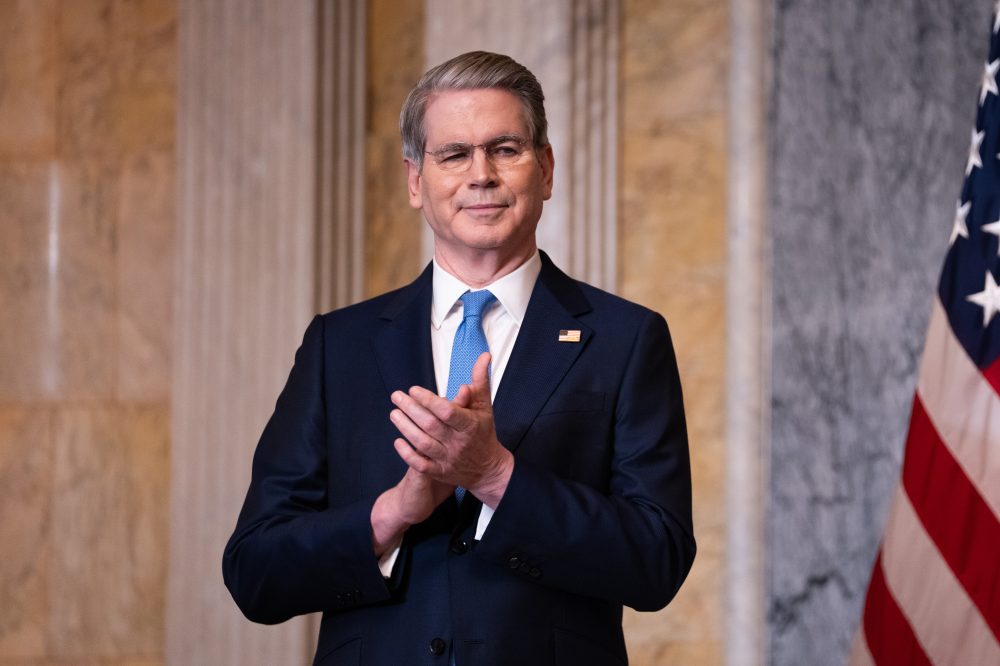
Speaking at a banking industry conference in Houston, Treasury Secretary Scott Bessent addressed financial leaders about their potential role in enforcement efforts.
“The information in your purview can help stop a cartel financier, disrupt a money laundering network, uncover labor exploitation, or protect taxpayers from fraud,” Bessent said in prepared remarks.
The Treasury Secretary’s comments and the department’s updated guidelines stem from an executive order Trump signed in May. That directive instructs banks to examine customer citizenship more closely and tells banking regulators and government agencies to look for evidence of people without legal status accessing financial services. However, the order stopped short of explicitly requiring banks to gather citizenship data, which industry groups had opposed for months.
Financial institutions have historically been permitted to exchange customer information with other banks through Patriot Act provisions when they suspect money laundering or fraudulent activity, a system established after September 11th to fight terrorism and other criminal enterprises.
Friday’s regulatory changes expanded this framework in two key ways. Banks now have authorization to share such data immediately and with fewer restrictions.
Additionally, the Trump Administration has broadened the circumstances under which banks may share information, now including indicators traditionally associated with immigration status. One such indicator involves customers using individual taxpayer identification numbers (ITINs), which undocumented immigrants commonly use when seeking employment.
Bessent emphasized to banking professionals that the new guidance simply represents standard operational requirements for financial institutions.
“The advisory does not ask banks to become immigration officers,” Bessent said. “It asks banks to do what they do best: know their customers, identify risk, recognize suspicious patterns, and report illicit activity when they see it.”
Banking industry leaders have expressed concerns about providing customer information to federal authorities for immigration enforcement purposes. Since banks traditionally have not gathered citizenship data from customers, implementing such requirements would demand substantial institutional changes and extensive documentation processes.
Immigration advocacy groups have previously warned that any directive requiring banks to collect citizenship information would likely push undocumented immigrants away from the financial system, potentially increasing the population of individuals without banking services.
The White House has implemented additional measures aimed at discouraging undocumented workers from accessing financial services. Last November, the Treasury announced plans to reclassify certain refundable tax credits as “federal public benefits,” preventing some immigrant taxpayers from receiving them despite filing returns, paying taxes, and meeting other qualification requirements.