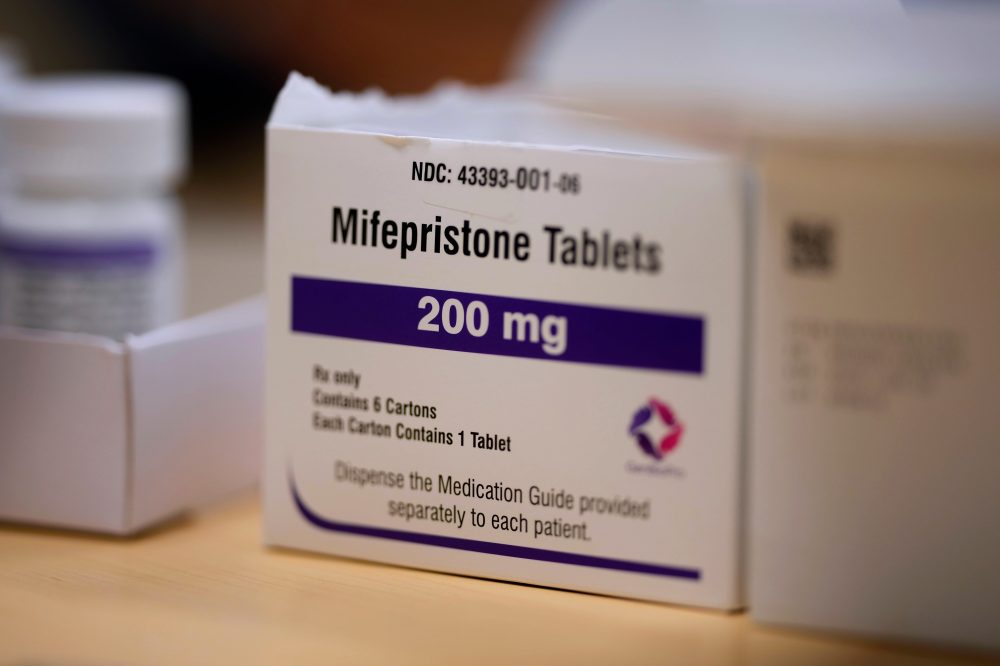

A federal appeals court has significantly limited nationwide abortion access by prohibiting the mail distribution of mifepristone, one of the most widely used abortion medications.
The New Orleans-based 5th U.S. Circuit Court of Appeals panel mandated that the abortion medication can only be dispensed through in-person visits to medical facilities.
The court’s decision stated: “Every abortion facilitated by FDA’s action cancels Louisiana’s ban on medical abortions and undermines its policy that ‘every unborn child is human being from the moment of conception and is, therefore, a legal person.’”
Historically, federal judges have typically respected the Food and Drug Administration’s expertise regarding medication safety and regulatory standards.
Under the Trump administration, FDA officials have indicated they are conducting a fresh safety evaluation of mifepristone following presidential directives.
The court noted that the FDA “could not say when that review might be complete and admitted it was still collecting data.”
Louisiana’s attorney general, along with a woman claiming she was pressured into using abortion medication, filed court documents seeking to reverse FDA regulations back to when the pills required in-person prescription and distribution.
Last month, a Louisiana federal judge determined that current regulations conflicted with the state’s abortion restrictions but declined to immediately overturn the rules.
Following the Supreme Court’s 2022 decision eliminating Roe v. Wade protections and enabling state abortion bans, mail-order prescriptions have emerged as a primary method for providing abortions, including in states with prohibitions.
“This is going to affect patients’ access to abortion and miscarriage care in every state in the nation,” said Julia Kaye, an ACLU lawyer. “When telemedicine is restricted, rural communities, people with low incomes, people with disabilities, survivors of intimate partner violence and communities of color suffer the most.”
The ruling is anticipated to prompt an appeal to the Supreme Court.
While the conservative-dominated Supreme Court eliminated constitutional abortion protections in 2022, it unanimously maintained mifepristone access two years afterward.
However, that 2024 ruling avoided addressing fundamental issues by determining that the anti-abortion physicians who brought the lawsuit lacked proper legal standing to pursue the case.