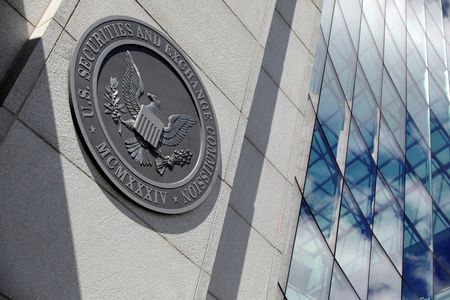

The Securities and Exchange Commission is pushing back against judicial criticism of its settlement agreement with Elon Musk concerning his Twitter stock purchases, arguing the deal represents legitimate negotiations rather than improper coordination.
In court documents filed in Washington D.C. federal court, the SEC responded to concerns raised by the presiding judge about the settlement terms, which would require a trust bearing Musk’s name to pay $1.5 million.
The regulatory agency claims Musk violated disclosure rules by waiting 11 days beyond the required timeframe in March and April 2022 to report his Twitter stock acquisitions, allegedly allowing him to continue purchasing shares at lower prices before the market became aware of his activity.
Musk has maintained the late disclosure was unintentional. He eventually acquired Twitter for $44 billion in October 2022, subsequently rebranding the platform as X.
During a May 13 court session, U.S. District Judge Sparkle Sooknanan expressed skepticism about approving the agreement without thorough review.
The judge questioned the SEC’s decision to impose the fine on the trust rather than directly on Musk, and expressed concern that the penalty represented only 1% of his alleged $150 million in improper profits. She emphasized her responsibility to ensure the settlement serves public interests and is free from collusion or corruption.
In Monday’s court filing, the SEC characterized the settlement as “fair, reasonable, and appropriate,” stating it “was not the result of any improper collusion between the parties” but instead “arose from arm’s length negotiations among counsel of record, and reflects compromises from each side.”
The agency also argued that the $1.5 million penalty represents the largest fine of its kind, and that targeting the trust follows established SEC precedent in similar cases.
“The public benefits from an injunction that has the practical effect of binding Musk whenever he acts through the Revocable Trust, an investment vehicle that he appears to use to manage much of his wealth,” the SEC stated.
Musk’s legal representatives have not yet provided comment on the SEC’s latest filing.
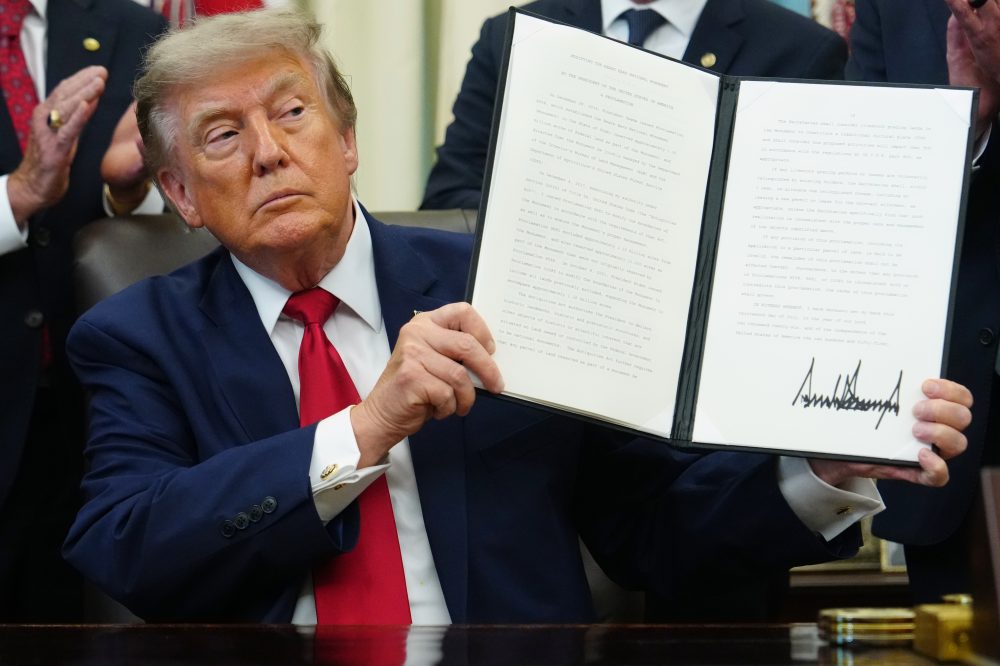
The billionaire, who previously served as an adviser to Republican President Donald Trump, has accused the SEC of political motivation and violating his free speech rights by filing the lawsuit six days before Democratic President Joe Biden left office.
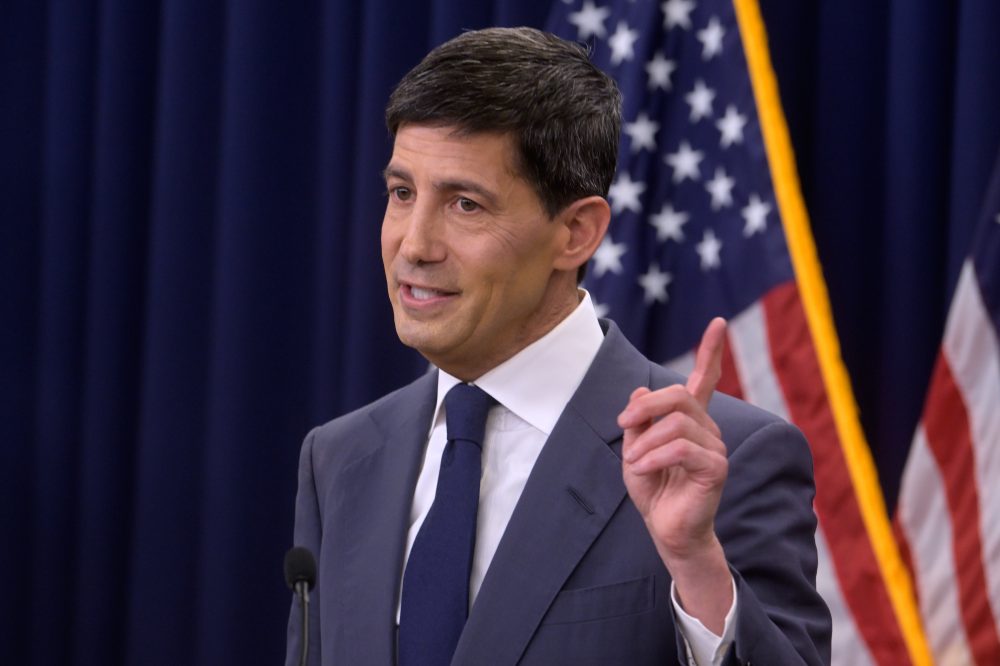
The current administration has scaled back certain corporate enforcement activities as SEC Chair Paul Atkins reshapes the agency’s regulatory focus.
Former SEC enforcement chief Margaret Ryan, who departed unexpectedly in March after only six months in the position, had disagreed with agency leadership regarding the enforcement program’s direction.