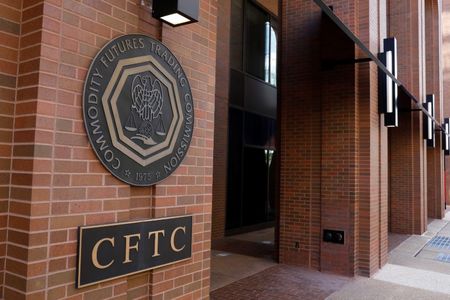

A federal regulatory agency has taken legal action against Minnesota’s groundbreaking legislation that would completely prohibit prediction market operations within state borders.
The U.S. Commodity Futures Trading Commission filed the lawsuit on Tuesday, one day following Minnesota Governor Tim Walz’s signing of the legislation. The Democratic governor approved a measure that will criminalize the operation, hosting, or promotion of prediction markets starting August 1.
These digital platforms enable users to earn money by making predictions about various events, including sporting competitions and political elections. The industry has become the focal point of disputes regarding state gaming authorities’ authority to oversee the multi-billion dollar prediction market sector.
Kalshi, recently valued at $22 billion during a funding round, has been engaged in multiple legal battles with states that allege the company operates an unlawful, unlicensed betting service that permits gambling by adults under 21 years old.
During President Donald Trump’s administration, the CFTC has aligned with these companies’ stance that event contracts traded on prediction markets fall solely within the federal agency’s regulatory authority over “swaps,” which are derivative contract instruments.
In the Tuesday filing, the CFTC contended that Minnesota’s unprecedented legislation violates constitutional principles by creating state-level criminal penalties for operating derivatives markets that federal law governs.
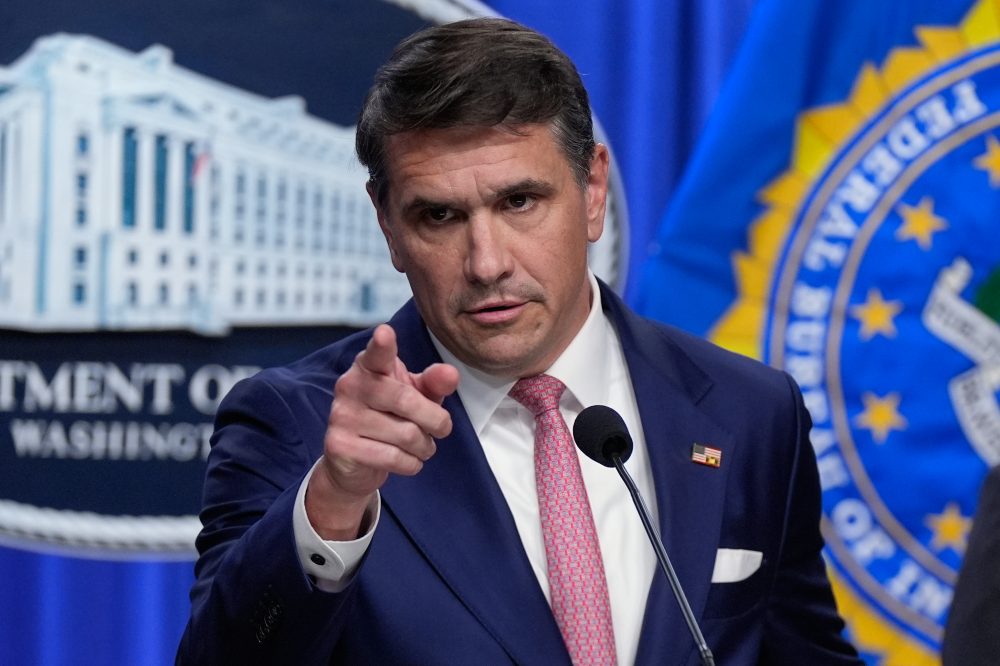
“This Minnesota law turns lawful operators and participants in prediction markets into felons overnight,” CFTC Chairman Michael Selig said in a statement.
Minnesota Attorney General Keith Ellison, a Democrat, in a statement said his office was reviewing the lawsuit and would respond in court. He said he was concerned about the harms prediction markets pose to Minnesotans.
“Prediction markets are designed to be addictive and prey especially on young people and low-income folks,” Ellison said. “They help the ultra-rich get richer and the rest of us get poorer.”
A Polymarket spokesperson said in a statement that the CFTC’s case demonstrated how Minnesota’s law “runs counter to the federal government’s established framework for regulating prediction markets.”
Kalshi spokesperson Elisabeth Diana said: “Outside of this ban being unenforceable, it’s also a terrible idea for the citizens of Minnesota because it reduces competition and drives activity offshore.”
The federal agency has initiated legal proceedings against multiple states to prevent enforcement actions against prediction market companies. The commission recently secured a judicial ruling preventing Arizona from pursuing criminal charges against the New York-based Kalshi.
Nevada remains the sole state that has obtained a court-enforced prohibition against Kalshi that is currently in effect. Massachusetts’ supreme court is deliberating whether to maintain a temporarily suspended injunction that would prevent Kalshi from offering sports betting contracts within that state.