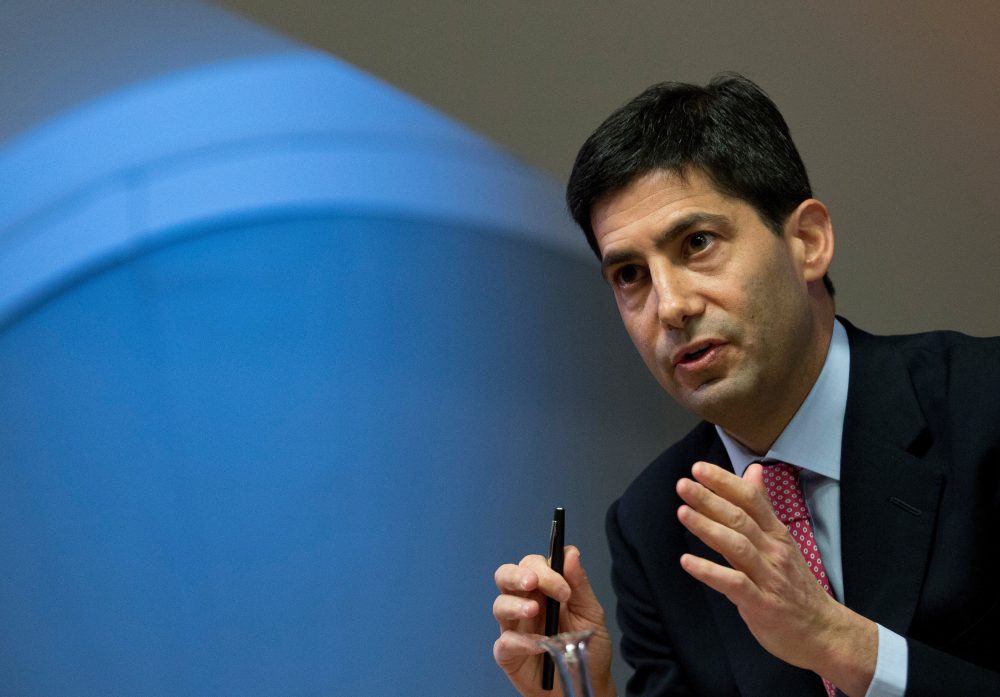

WASHINGTON — Kevin Warsh moves closer to his long-sought ambition of leading the Federal Reserve as he testifies before the Senate Banking Committee on Tuesday. However, the position he hopes to secure may present challenges far different from what he anticipated a decade ago when he first set his sights on the role.
Rising inflation driven by higher gas prices from the Iran conflict is complicating the Federal Reserve’s ability to deliver the interest rate reductions that President Donald Trump urgently wants. The ongoing war could also dampen economic growth and job creation. Should Warsh eventually become chair, he might find himself working alongside his predecessor Jerome Powell, who plans to remain on the Fed’s board — an awkward situation not seen since the 1940s.
The former Fed official and affluent investor is expected to encounter challenging questions during his appearance. Committee Democrats have already indicated they plan to grill him about what they view as insufficient transparency surrounding his extensive financial portfolio, which exceeds $100 million according to recent filings.
Senators will also likely focus on Trump’s persistent calls for lower short-term interest rates, raising concerns that Warsh was selected primarily to carry out the president’s wishes. Most current Fed officials favor maintaining the central bank’s benchmark rate at current levels as inflation shows signs of accelerating once more.
In prepared testimony released Monday, Warsh defended the Federal Reserve’s independence from political influence. He described such independence as “essential,” while noting it isn’t compromised when “elected officials — presidents, senators, or members of the House — state their views on interest rates.” Trump has consistently pushed Powell to reduce the Fed’s key rate from approximately 3.6%.
Warsh emphasized his dedication to the Fed’s inflation-fighting mandate in his written statement, though he didn’t reference the central bank’s employment goals. “Inflation is a choice, and the Fed must take responsibility for it,” he stated in his prepared remarks. This focus on price stability typically means officials prefer higher interest rates to restrain spending rather than cutting rates to stimulate growth, contrary to Trump’s preferences.
Although Tuesday’s hearing represents a crucial milestone for Warsh, the timing of a committee vote remains uncertain. A Justice Department investigation into Powell and the Fed regarding a building renovation has prompted Senator Thom Tillis, a North Carolina Republican, to threaten blocking Warsh’s nomination until the inquiry ends.
“Clearly there’s a majority of the committee that’s not going to move this nomination forward, especially while this sham of a criminal investigation is going on,” Minnesota Democrat Senator Tina Smith told reporters during a Monday conference call. “It feels a bit like we’re going through the motions when we really have not addressed the fundamental challenges that this nomination has.”
This uncertainty could create an unusually chaotic leadership transition at the world’s most influential central bank, which typically experiences seamless changes in command. A particularly disruptive handover might rattle financial markets and push up long-term borrowing costs.
Powell’s chairmanship expires May 15, and he has committed to continuing in the role until a replacement is confirmed. His separate position on the Fed’s governing board extends through January 2028. While Fed chairs traditionally step down from the board when their leadership terms conclude, Powell announced last month he would stay on the board even after a new chair takes over, at least until the Justice Department probe concludes.
When questioned about Powell’s intentions, Trump threatened to dismiss Powell if he attempts to remain at the Fed. However, Trump’s earlier effort to remove Fed Governor Lisa Cook remains tied up in litigation. During January oral arguments, most Supreme Court justices seemed inclined to allow Cook to retain her position.