
The United Farm Workers organization has withdrawn its support for yearly festivities honoring founder Cesar Chavez following disturbing but vague accusations that have emerged.
On Tuesday, union leadership issued a statement indicating that claims involving “abuse of young women or minors” were serious enough to recommend that supporters nationwide participate in immigration advocacy activities or community service rather than traditional March events celebrating Chavez’s contributions.
Union officials clarified they have not been contacted directly about any abuse incidents and lack personal knowledge of the accusations. Both the union and Cesar Chavez Foundation declined to provide additional details when contacted by The Associated Press.
“Some of the reports are family issues, and not our story to tell or our place to comment on,” union representatives stated.
Multiple commemorative gatherings scheduled in San Francisco, Texas, and Arizona – where Chavez was born – were called off following requests from the foundation, which acknowledged becoming aware of concerning claims about Chavez during his tenure leading the organization. Event coordinators did not respond immediately to AP inquiries.
Both organizations announced plans to create systems allowing anyone potentially harmed by Chavez to share their experiences privately.
“These allegations have been profoundly shocking,” the union declared. “We need some time to get this right, including to ensure robust, trauma-informed services are available to those who may need it.”
California pioneered the establishment of March 31 – Chavez’s birth date – as an official day recognizing the labor activist, with other states adopting similar observances. President Barack Obama designated March 31 as national Cesar Chavez Day in 2014, encouraging Americans to celebrate his contributions.
Numerous roads, educational institutions and recreational areas carry Chavez’s name. Born in Yuma, Arizona, he was raised in a Mexican-American household that migrated throughout California harvesting lettuce, grapes, cotton and other seasonal produce. He passed away in California in 1993 at 66 years old.
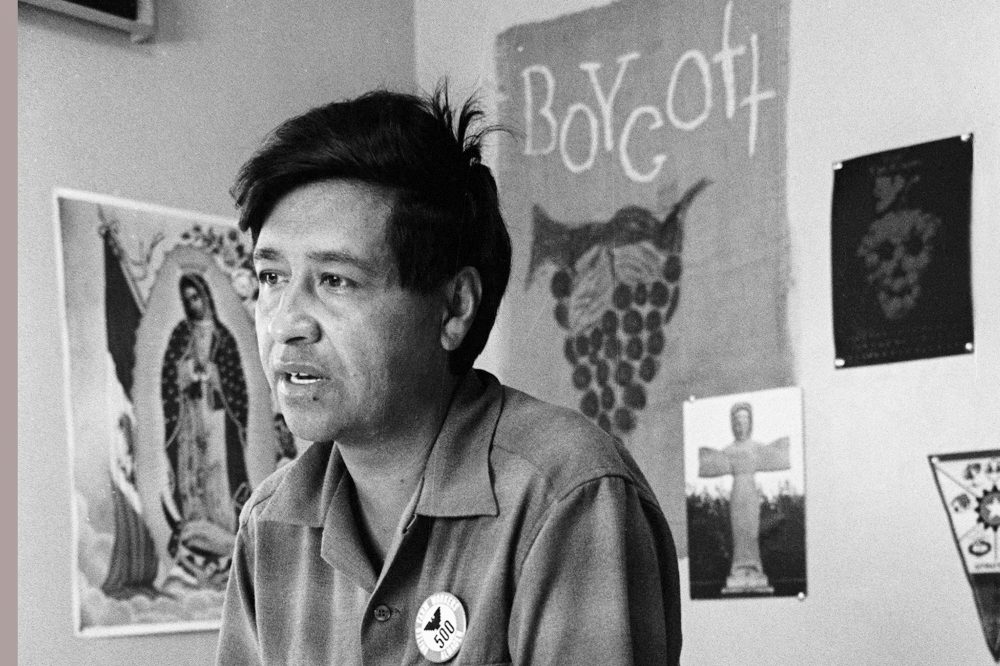
Chavez gained national recognition through his early organizing efforts in agricultural fields, conducting hunger strikes, leading grape boycotts and ultimately securing agreements with growers to negotiate with farm laborers for improved compensation and workplace conditions.
In 1962, Chavez partnered with Dolores Huerta to establish the National Farm Workers Association, later renamed the United Farm Workers of America.
Agricultural workers remain essential to California’s farming industry, which produces approximately half of America’s fruits, nuts and vegetables.
Chavez fought against inadequate wages and harsh working environments. Field workers lacked restroom facilities and used short-handled tools that required hours of bending over while weeding crops.
Supervisors routinely disregarded worker health and fair compensation, particularly affecting Spanish-speaking employees who were in the country temporarily or without documentation and possessed limited political or legal resources to combat mistreatment.