
GUADALAJARA, Mexico — Terror gripped Mexican citizens as they turned to their phones for updates following the death of the nation’s most notorious drug kingpin, only to encounter a torrent of fabricated social media content portraying widespread devastation.
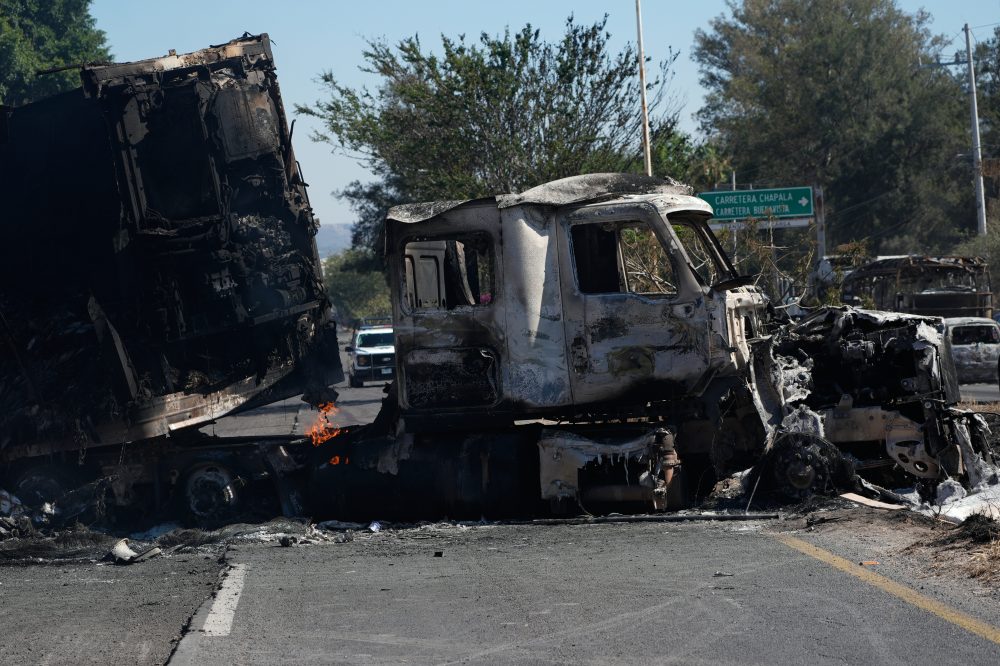
Following a massive military operation on Sunday that resulted in the death of Nemesio Oseguera Cervantes, better known as “El Mencho,” his Jalisco New Generation Cartel unleashed brutal retaliation across approximately 20 states, claiming over 70 lives through roadblocks, bombings, and shootouts.
However, alongside legitimate reports of carnage and official shelter-in-place orders, the web became saturated with false information — including AI-created videos and photos intended to amplify terror, according to Mexican authorities.
“We didn’t know what was true and what was false,” expressed Victoria Elizabeth Peceril, 31, as she strolled through Guadalajara’s now-peaceful streets Wednesday with her three children. “We were really scared.”
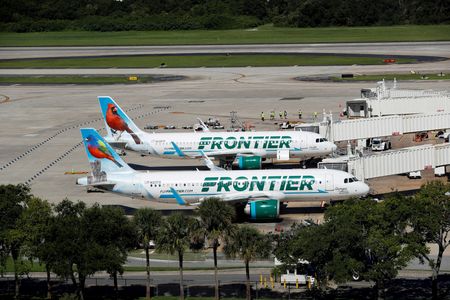
Among the fabricated content was a doctored image supposedly showing an aircraft ablaze at Guadalajara’s airport, accompanied by false claims that armed groups had captured the facility and held tourists captive.
Government analysis revealed between 200 and 500 problematic and false posts circulated since Sunday’s military action, with as many as 30 garnering over 100,000 views each.
During President Claudia Sheinbaum’s Wednesday press conference, officials shared research from Tecnologico de Monterrey, a private institution, showing that 35% to 40% of these posts contained misleading context, at least 25% were deceptive, and nearly 25% involved AI manipulation or complete fabrication.
False narratives included claims that an American operative had killed Oseguera Cervantes by strangulation, that President Sheinbaum was concealing herself aboard a Pacific naval ship, and theories connecting the cartel leader’s death to former Venezuelan leader Nicolás Maduro’s potential capture.
The research institution stopped short of identifying the source behind this content creation.
“There was a lot of badly intentioned news Sunday, looking to generate terror,” Sheinbaum had stated the previous day.
Mexican communities frequently rely on messaging app groups and X platform accounts for local updates. In northern border regions controlled by criminal organizations, these communications often function like traffic advisories, alerting residents to criminal convoy locations for safety purposes.
Given the Jalisco organization’s history of dramatic violence — including destroying military aircraft and targeting Mexico City’s police leadership — social media claims of extreme cartel brutality seemed credible to many.
“At first, we believed everything,” admitted Nicolás Martín, 28, a Mexico City resident who was vacationing near Puerto Vallarta when the violence erupted. He described the circulated imagery as resembling “what you see in movies.”
Martín noted his surprise at the professional quality of early Sunday posts, including apparent drone recordings of explosions and fires in Puerto Vallarta. He observed that genuine footage from such chaotic moments would typically appear more unsteady and amateur.
According to Vanda Felbab-Brown, a Brookings Institution organized crime specialist from Washington, the Jalisco cartel may have orchestrated at least portions of the disinformation campaign.
This particular criminal organization has notably prioritized developing its digital capabilities among Mexico’s various crime groups.
“The criminals are becoming very tech-savvy,” Felbab-Brown observed.
“It was impressive to see the level of misinformation,” she continued, referencing the fake airport takeover images. She characterized these “impressive and sophisticated” posts as likely AI-generated content from Jalisco Nueva Generación-controlled chatbots.
These posts “certainly added to the aura of chaos and meltdown in Mexico,” Felbab-Brown concluded.
Despite efforts by Mexican officials and the U.S. Embassy to counter circulating falsehoods on Sunday, Sarai Olguín, a 22-year-old Guadalajara university student, found distinguishing truth from fiction challenging.
As she and neighbors sheltered indoors, friends forwarded videos and images discovered online. She partially credits these posts with keeping civilians off dangerous streets.
One message warned that “after a certain hour they were going to kill everyone,” she recalled. “In a way it’s good, because all of this false news helped take care of people even though they sowed immense fear.”