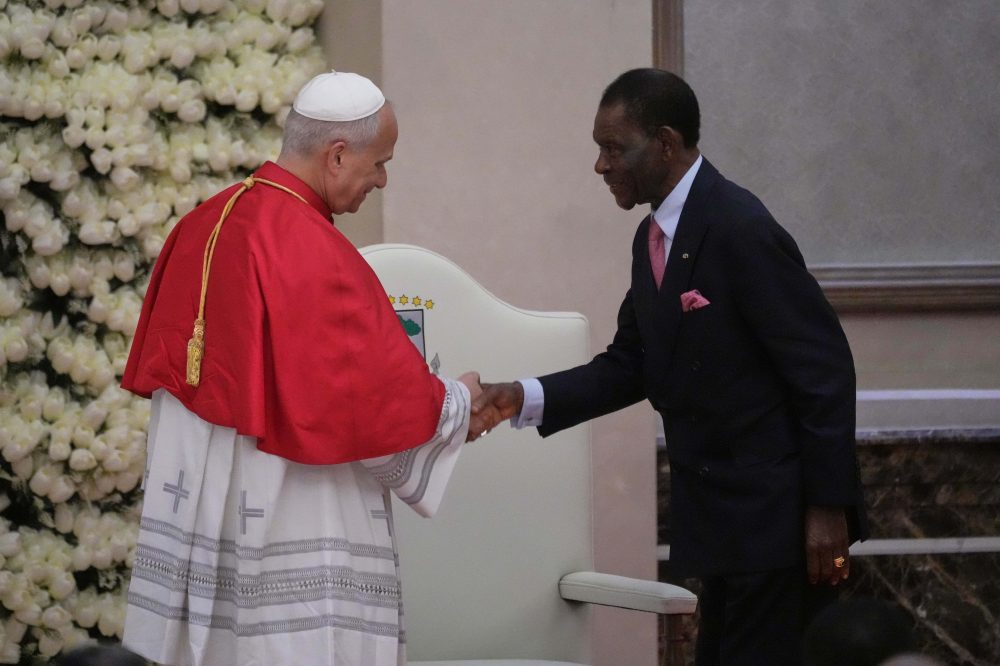

A former resident of Equatorial Guinea who sought asylum in Spain is expressing concern about Pope Leo XIV’s current visit to his African homeland, fearing it may provide undeserved credibility to the nation’s controversial leadership.
Gutïn Bae Tongala, a 59-year-old chef originally from Annobon Island, departed Equatorial Guinea in 2002 seeking sanctuary in Spain. He cites governmental mistreatment of ethnic minorities and prolonged systematic persecution by the nation’s ruling dynasty as reasons for his departure.
Vatican statistics show approximately 75% of Equatorial Guinea’s citizens practice Catholicism, representing one of Africa’s highest Catholic populations. The nation serves as the final destination in the pope’s four-country African tour, following visits to Algeria, Cameroon and Angola.
During his stay in Equatorial Guinea, Leo has criticized the “colonization” of Africa’s natural resources and condemned the “hunger for authority,” calling on the nation to pursue justice and bridge the divide “between those with privilege and those without.”
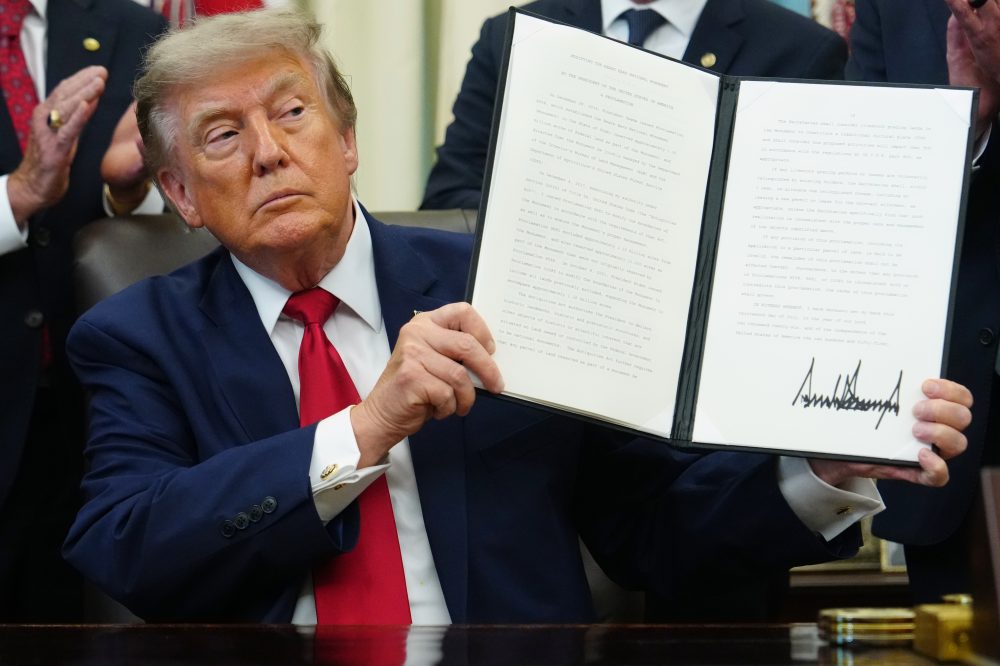
Tongala and other refugees from Equatorial Guinea shared with The Associated Press their concerns that President Teodoro Obiang Nguema Mbasogo, who has ruled since 1982 as Africa’s most enduring head of state, might exploit the papal visit to legitimize his administration, which activists characterize as authoritarian.
“Obiang knows very well that the pope’s visit comes like a ring on his finger,” Tongala said from Spain. “Obiang will use the pope’s presence to clean up his image.”
According to Tutu Alicante, an American-based advocate who leads the EG Justice human rights organization, the president has attempted to earn international credibility through prominent events, such as welcoming the pope or hosting the Africa Cup of Nations soccer tournament in both 2012 and 2015.
While Equatorial Guinea maintains official secular status, the Catholic Church, inherited from Spanish colonial rule, remains central to the country’s political and social framework. Religious institutions operate educational facilities, medical centers and community gathering places for the nearly 1.9 million residents.
Government celebrations including presidential swearing-in ceremonies and Independence Day observances incorporate Catholic Mass. In 2011, Obiang took his oath of office in the massive neo-Gothic Basilica of Immaculate Conception located in his birthplace of Mongomo, designed after St. Peter’s Basilica and Square in Vatican City. This basilica stands as Central Africa’s largest religious structure and Africa’s second-largest, following the Basilica of Our Lady of Peace in Ivory Coast.
Church leadership “are very much interconnected intrinsically with the government,” Alicante said. “Part of it is the fear the government has instilled in everyone, including the church, and part of it is the monetary gains that the church derives from this government.”
Neither Catholic authorities in the nation nor government representatives responded to AP’s requests for commentary regarding reported violations in the country.
Nevertheless, Rev. Fortunatus Nwachukwu, second-in-command at the Vatican’s missionary evangelization department, explained to the AP on Tuesday that the Catholic Church operates in challenging political environments and must navigate them carefully.
“Should the church go to war against the government? Surely no,” Nwachukwu said. “Should the church swallow everything as if it were normal? No. The church has to continue preaching justice, always in defense of life, human dignity and the common good.”
The Catholic Church’s relationship with Equatorial Guinea’s government has a complex past. Former President Francisco Macias Nguema targeted Catholics, shuttered multiple churches and prohibited the church in 1978 to sever connections with Spain, the former colonial authority.
Obiang subsequently assumed control in 1979 by overthrowing his uncle, Nguema, and reversed the prohibition. Obiang became a civilian leader in 1982, the same year he welcomed St. John Paul II during a papal visit.
Obiang has maintained his position since then, securing six elections amid disputed circumstances.
World Bank data indicates more than half the population lives in poverty. Human rights organizations have charged the government with exploiting the country’s petroleum revenues primarily to benefit the president’s relatives. One presidential son serves as vice president and has faced conviction for financial crimes in France while being sanctioned by the United Kingdom for similar offenses.
A 2024 Amnesty International assessment documented what it termed “widespread use of arbitrary arrests, torture and other ill-treatment” throughout the country.
Carmelo Ovono Obiang, another presidential son, faced investigation in 2024 by Spain’s supreme court regarding alleged abduction and torture of two opposition figures holding Spanish citizenship.
Analysts and expatriate citizens indicate the president is leveraging Leo’s visit to seek legitimacy despite public frustration with his family’s concentrated control.
The AP previously reported on the government’s extended internet blackout on Annobon Island following demonstrations against harmful practices by a construction firm. The nation also participates in several African countries receiving millions through unclear agreements with the United States to accept migrants deported to nations other than their countries of origin.
“I would like the pope to speak out in defense of the Christians who live in Equatorial Guinea and who have to endure the abuses of human rights that occur day by day at the orders of Obiang Nguema,” said Jorge Awal, 27, who now works in the private sector in Spain.