
BRUSSELS — The European Union is launching a major expansion of its ocean surveillance capabilities through underwater robotics and satellite technology, positioning itself as a global leader in marine research while the Trump administration prepares significant reductions to comparable American programs.
European Commission president Ursula von der Leyen announced the OceanEye initiative Wednesday, a 92 million euro ($107 million) investment designed to strengthen the EU’s role in exploring the planet’s marine environments amid growing climate threats.
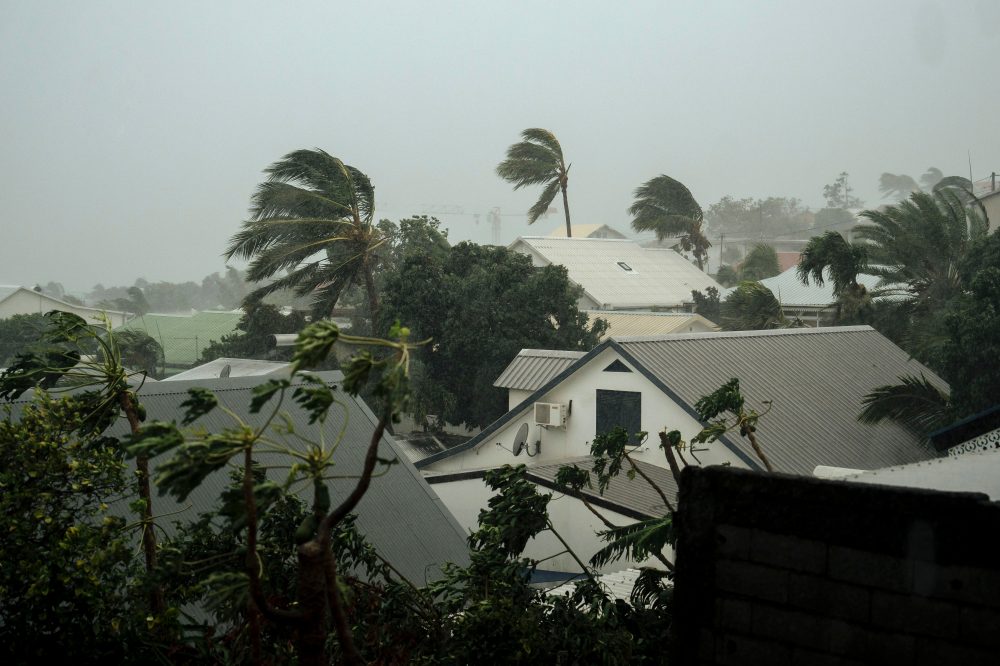
Earth’s oceans span roughly 70% of the planet’s surface, supporting intricate biological systems that produce oxygen and capture carbon dioxide from the atmosphere. Rising ocean temperatures driven by climate change have intensified weather patterns, strengthened storms and droughts, damaged coral ecosystems worldwide, and threatened marine life already under pressure from commercial fishing and industrial contamination.
Research indicates that climate change will amplify both heat wave intensity and severe storm activity throughout Europe.
Ocean surveillance systems provide critical protection by identifying ecosystem damage and environmental risks, informing policy decisions designed to prevent species decline.
“This is about using science and good governance to understand our ocean and secure our future,” von der Leyen said.
American officials indicated in May their intention to eliminate funding for the Ocean Observatories Initiative, a surveillance network featuring over 900 marine sensors that cost $386 million to establish and has provided continuous real-time information for more than ten years.
The National Science Foundation supports these observation stations, which monitor ocean currents, marine life, climate patterns, and severe weather conditions. The system’s information has remained publicly accessible and contributed to over 500 research studies. The program was originally scheduled to continue operating for an additional 15 to 20 years.
European officials had developed their investment strategy before the American funding reductions were revealed.
The Global Ocean Observing System coordinates international marine research efforts. American operations generate more than half of global ocean data, while European systems contribute approximately 25%, with Japan, Australia, India and China providing additional monitoring.
“Europe needs to do more,” said Pierre-Yves Le Traon, an oceanographer and scientific director of the Mercator Ocean International based in Toulouse, France.
The EU plans to manage 35% of worldwide maritime surveillance operations by 2035, establishing itself as the primary source of global “ocean intelligence.”
Automated sensors deployed underwater and in space transmit data to shipping operations, fishing industries, emergency response teams, and research facilities including the Mercator Ocean Institute, which is developing a real-time virtual reality model of Earth’s oceans called the Digital Twin Ocean.
This information proves essential for climate adaptation strategies and supports numerous land and sea-based industries including fish farming, maritime transport through frozen regions, coastal recreation, farming, and military operations, Le Traon explained.
“Knowledge is essential if we want to manage the ocean,” Le Traon said. “We really have to be very active for the monitoring and protecting of the ocean because the ocean matters for to everyone: for life at sea, for life on Earth.”
Odran Corcoran, a policy advisor for Oceana, emphasized that lawmakers require deep-ocean data to effectively regulate fishing management, marine conservation, and habitat restoration initiatives.
“Europe does not just need more ocean data; it needs data that closes biodiversity and seabed knowledge gaps,” Corcoran said.
European funding will support private technology development programs for ocean research and strengthen current organizations like the Global Ocean Observing System.
Among the EU’s 27 member countries, 22 maintain coastlines along the Baltic Sea, Atlantic Ocean, Black Sea, and Mediterranean Sea. France operates the bloc’s most extensive ocean research institutions and maintains vast maritime boundaries through overseas territories spanning from Réunion in the Pacific to Saint Martin in the Caribbean and the Scattered Islands in the Indian Ocean.