
WARSAW, Poland — Ukraine received its first major financial boost Thursday as the European Union disbursed an initial 3 billion-euro ($3.4 billion) installment from a larger 90 billion-euro ($101 billion) loan commitment. The announcement came at the opening of a conference focused on Ukraine’s post-war reconstruction, held in Poland.
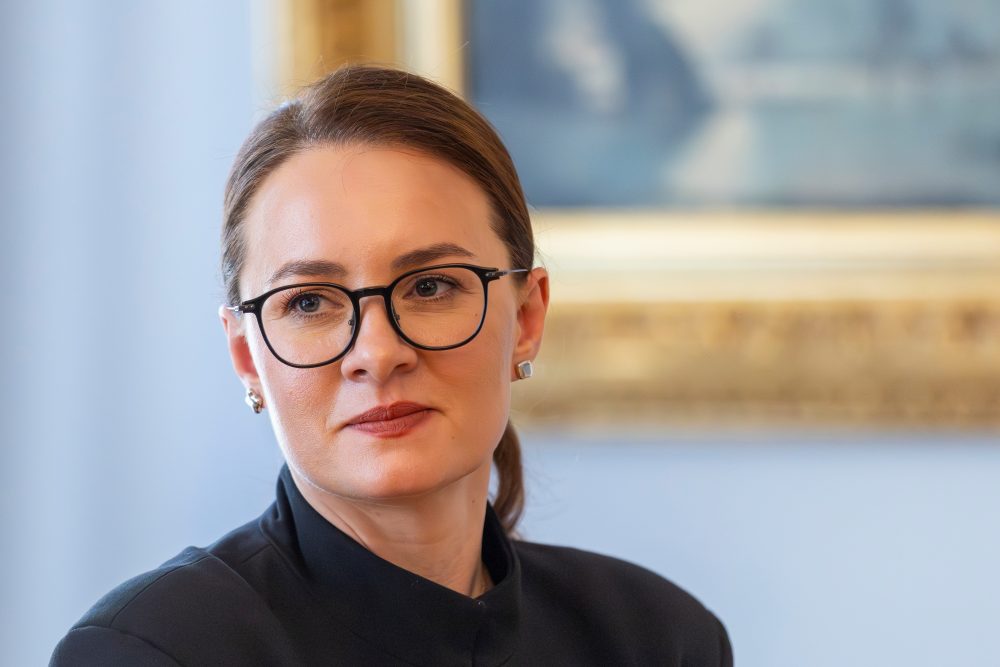
Ukrainian Prime Minister Yulia Svyrydenko made the announcement as prominent European figures — including German Chancellor Friedrich Merz and European Commission President Ursula von der Leyen — gathered in Gdansk. The event serves as both a fundraising platform and a show of solidarity, sending a clear signal to Russia that Western nations remain committed to supporting Ukraine over the long term.
“We are forced to innovate to survive and this has become our superpower,” Svyrydenko said, expressing gratitude on behalf of Ukraine for the support pledged to the country.
Von der Leyen reaffirmed the EU’s financial backing for Ukraine, just days after the country formally began EU membership negotiations on June 15. She noted that since Russia launched its full-scale invasion in February 2022, EU nations have collectively provided 200 billion euros ($225 billion) in economic, financial, and military assistance. The newly approved 90 billion-euro loan is set to be delivered over the next two years.
Von der Leyen also announced that an additional 6 billion euros ($6.7 billion) — a second installment from the loan, earmarked specifically for drone production — would begin flowing to Ukraine “in the coming days.”
In a separate development, European leaders announced the launch of a new European equity fund aimed at channeling investment into key sectors of the Ukrainian economy. Merz described the fund’s purpose: “With an initial public package of up to 220 million euros, we are creating the confidence and the risk-sharing mechanism that private investors need to engage now.” The fund, which grew out of last year’s recovery conference in Rome, has backing from the EU along with Germany, Poland, Italy, and France.
Merz acknowledged that government funding alone cannot fully rebuild Ukraine, but stressed that “by investing now and committing long-term capital, Europe is sending a clear message: we believe in Ukraine’s future within the European family.”
Svyrydenko said the Ukrainian delegation plans to sign 160 agreements worth more than 10 billion euros ($11.2 billion) before the Gdansk conference concludes.
Svyrydenko stepped in to lead the Ukrainian delegation after President Volodymyr Zelenskyy withdrew from the conference just days beforehand. His absence stems from a diplomatic rift with Polish President Karol Nawrocki over historical World War II events that have strained ties between the two countries.
Earlier this month, Nawrocki revoked Poland’s highest state honor from Zelenskyy after the Ukrainian president named a military unit after a Ukrainian paramilitary organization accused of killing Poles during the war. The Ukrainian Insurgent Army, known as the UPA, fought for Ukrainian independence against both Nazi German and Soviet forces, but Poland accuses the group of massacring tens of thousands of Poles — primarily in the Nazi-occupied regions of Volhynia and Eastern Galicia — an act Poland classifies as genocide.
Zelenskyy has since returned the Polish honor, and other Ukrainian officials have done the same.
Polish Prime Minister Donald Tusk suggested that Zelenskyy’s absence from the conference may actually help ease tensions between the two nations. Svyrydenko did not address the dispute during her remarks. Tusk, in his own speech, offered this reflection: “We can only build the future on the basis of truth, mutual respect and understanding the past.”