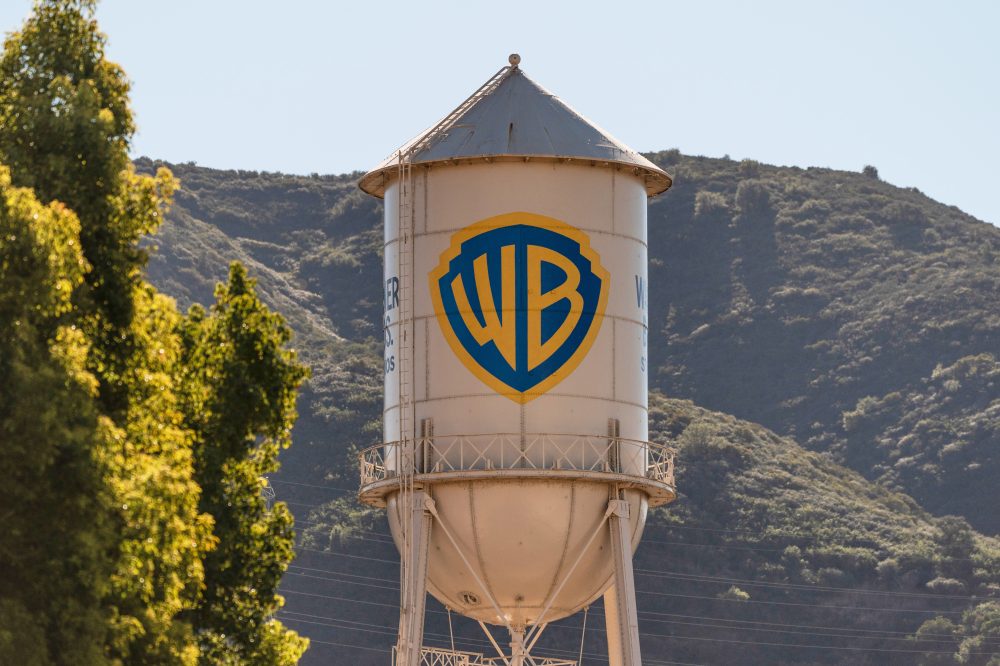

The European Union has signed off on Paramount’s $81 billion acquisition of Warner Bros. Discovery, clearing a significant regulatory obstacle for a massive merger that could fundamentally transform the global entertainment and media industry.
However, the approval is not without its requirements.
The European Commission — the body responsible for enforcing antitrust rules across the EU — determined that a combined Paramount-Warner operation would still face sufficient competition in areas like film production and streaming across its 27 member nations. That said, the Commission flagged concerns about theater film distribution, warning that high market concentration in that area could result in “worse rental and distribution terms for cinema operators, ultimately disadvantaging consumers.”
To resolve that concern, the Commission said Skydance-owned Paramount has agreed to exit its stake in United International Pictures within the European Economic Area. That is a long-established joint venture with Universal that Paramount has relied on to distribute films to theaters outside North America. Paramount must dissolve that partnership within 13 months of finalizing its Warner acquisition and is barred from entering any new agreements with Universal for the following 10 years.
Additional conditions require that Warner’s current film distribution in those European markets be transferred to the same channels Paramount already uses there. The European Commission said its approval hinges on Paramount honoring these commitments and that it will oversee compliance, though it did not elaborate on enforcement specifics.
Paramount responded positively to the EU decision, calling it “a major milestone” on the path to completing the deal. In a statement issued Wednesday, the company said such regulatory approvals reflect how a Paramount-Warner combination “will enhance consumer choice” and build an enterprise with the scale “capable of competing with the tech companies that have come to dominate the industry.”
Universal did not respond to a request for comment Wednesday regarding Paramount’s new distribution commitments in Europe.
A merged Paramount and Warner would bring together an enormous collection of entertainment assets — placing HBO Max, beloved franchises like “Harry Potter,” and CNN under the same corporate umbrella as CBS, “Top Gun,” and the Paramount+ streaming platform. Both companies also hold European television properties, including Warner’s TVN Group in Poland and localized versions of Paramount-owned channels such as MTV and Nickelodeon.
While the EU’s approval represents another step forward, the merger still faces significant obstacles. In the United States, a federal judge on Monday ordered the companies to pause the transaction for a minimum of two weeks.
That pause stems from a lawsuit filed by California and 11 other states seeking to block the merger entirely, arguing it would “extinguish competition” in Hollywood and reduce options for consumers — especially moviegoers and cable subscribers in the U.S.
Paramount has dismissed those claims as without merit, and reiterated that stance Wednesday — arguing the EU’s findings “directly refute key assumptions that underpin the state AGs’ complaint,” particularly regarding competition from newer and smaller film studios.
Regardless, the deal is on hold pending at least a preliminary injunction hearing, currently scheduled for August 3. In issuing the temporary restraining order, U.S. District Judge Araceli Martínez-Olguín said the states had presented a compelling argument that a combined Paramount-Warner could “substantially lessen competition” and that reversing the merger later would be “difficult, if not impossible” without a pause now.
Taking a different position, the Trump administration’s U.S. Justice Department announced it would not stand in the way of the deal — and instead released a detailed statement of support, arguing a Paramount-Warner merger would deliver “benefits for American consumers and workers.”
Paramount says it has also received regulatory approval from Australia, China, and Canada. Reviews are still underway in other jurisdictions, including the United Kingdom, which has separately indicated it may step in to scrutinize the deal.
Time pressure is mounting. Paramount has committed to paying Warner shareholders a daily “ticking fee” of roughly $7 million if the transaction is not finalized by September 30.
When factoring in debt, the total value of Paramount’s proposed purchase of Warner stands at nearly $111 billion based on current outstanding shares.
In addition to the core antitrust reviews, European regulators have also effectively signed off on the billions of dollars in financial support Paramount has secured from three Gulf nations: Saudi Arabia, Qatar, and the United Arab Emirates. Paramount has stated in regulatory filings that these sovereign wealth funds will hold no voting rights in the combined company. Critics, however, have raised concerns about the potential for behind-the-scenes influence from those investors.