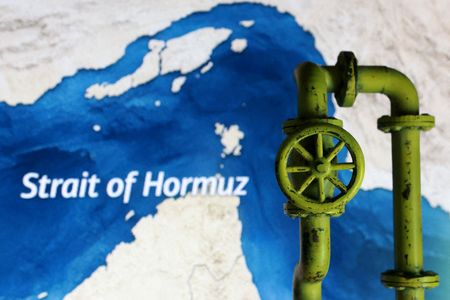

LIMASSOL, Cyprus (AP) — European Union leadership announced Thursday that protecting maritime trade routes through the Strait of Hormuz following the conclusion of Iran’s conflict will demand an expanded naval presence, including additional European warships and a broader scope for the bloc’s existing Red Sea operation.
The current EU maritime operation in the Red Sea — known as Aspides, derived from the Greek word meaning “shield” — consists of three warships defending commercial vessels against Houthi rebel assaults from Yemen. The Strait of Hormuz, located at the Red Sea’s southern terminus, previously facilitated the passage of approximately one-fifth of global oil and gas supplies before the conflict began.
Following discussions among the bloc’s foreign ministers, EU foreign policy chief Kaja Kallas indicated that Aspides’ operational framework might require modifications based on new demands, potentially including specialized mine-clearing vessels for the strait.
“But it mostly needs more ships,” she stated, revealing that one additional vessel would be deployed to the Aspides mission without elaborating further.
Earlier this year, the EU approved extending Aspides’ authorization through February 2027, allocating an extra 15 million euros ($17.5 million) in financial support.
France and the U.K. are also contemplating establishing their own naval contingent to provide ship escorts through the Strait of Hormuz after fighting ceases.
An EU official revealed ongoing discussions about potentially combining Operation Aspides with the proposed Franco-British fleet, though significant details regarding command structure for such a unified force remain unresolved. The official requested anonymity as they lacked authorization to discuss the ongoing negotiations publicly.
Maritime transportation expenses surged following Iran’s war commencement on Feb. 28, driven by elevated insurance rates. The EU official projected that costs would remain high for at least twelve months after hostilities conclude, observing that routing ships around Africa’s coastline now costs less than Red Sea transit.
Officials are exploring the possibility of providing government-backed guarantees to shipping enterprises to help lower insurance costs.