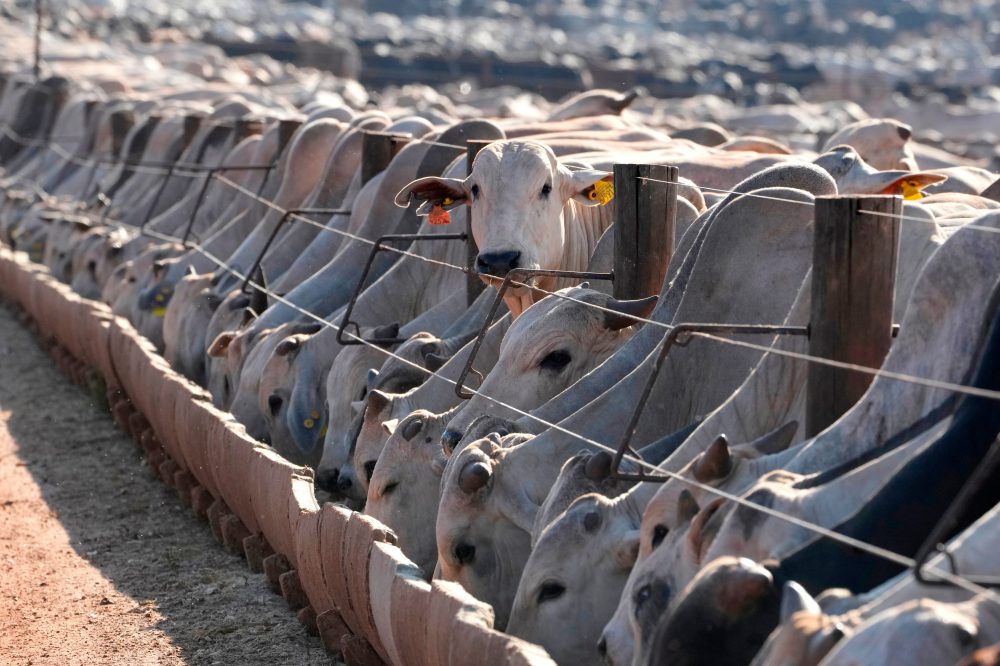

Brazilian officials announced Tuesday that the European Union will halt imports of the country’s animal products starting in September, a surprising development that follows closely behind the implementation of a historic trade agreement worth an estimated $22 trillion.
The massive EU-Mercosur trade deal became effective in May, creating a vast trans-Atlantic marketplace. However, the agreement currently faces legal challenges at the European Court of Justice, with European agricultural interests and environmental advocates expressing concerns about competitive disadvantages, economic impacts, pricing issues, and environmental protections.
Brazil’s agriculture ministry expressed shock at the European decision, stating they received the news “with surprise” and confirming their intention to challenge the ruling. Reports from Brazilian news outlets indicate the EU cited insufficient documentation proving that animal products from Brazil and neighboring countries are free from growth-promoting antimicrobial additives.
Brazilian diplomatic representatives plan to meet with EU animal product officials on Wednesday “to seek explanations about the decision,” according to the ministry’s statement.
Data from Brazil’s animal products trade association shows that European Union nations ranked as the third-largest market for Brazilian beef exports in 2025, trailing only the United States and China in volume.
The EU-Mercosur free trade pact officially launched on May 1, following its signing on January 17 during a summit of the South American trading bloc that encompasses Brazil, Argentina, Paraguay, and Uruguay.
European Commission President Ursula von der Leyen implemented the agreement on a provisional basis, effectively bypassing the EU Parliament where legislators are now mounting a legal challenge through the bloc’s court system. Should the European judicial body rule against the agreement, it will be terminated.