
WASHINGTON — Federal environmental officials announced Friday they are rolling back tougher mercury pollution standards for coal-burning power plants, marking another step in the Trump administration’s push to support fossil fuel operations by reducing environmental regulations.
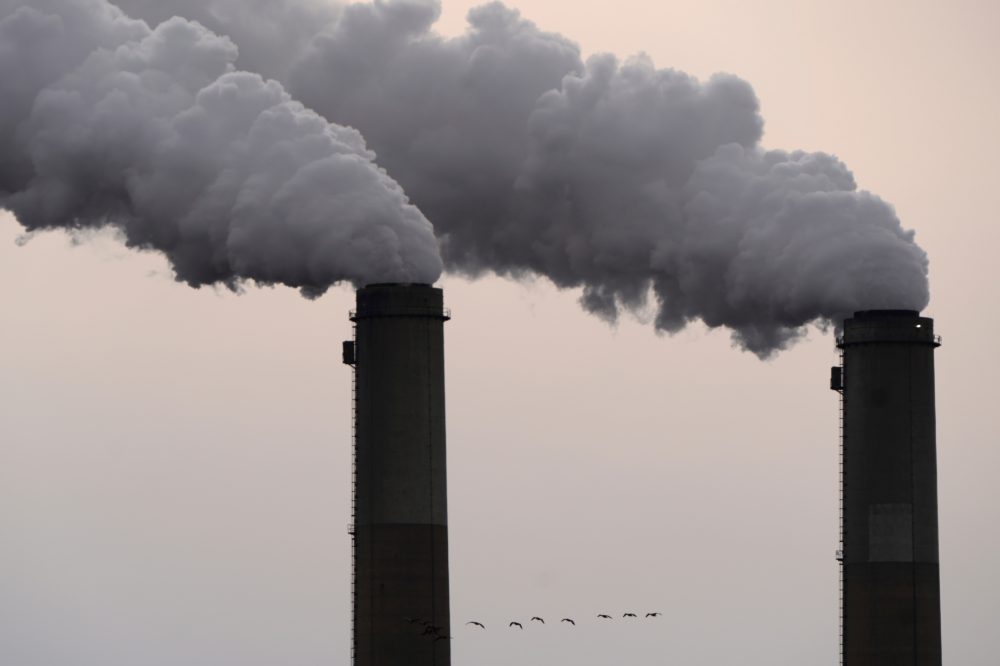
Mercury and other dangerous pollutants released by coal and oil power facilities can damage children’s developing brains and increase risks of heart problems and other health issues in adults. These same facilities also produce significant greenhouse gases that contribute to global warming. EPA officials made their announcement at a large coal facility along the Ohio River in Louisville, Kentucky.
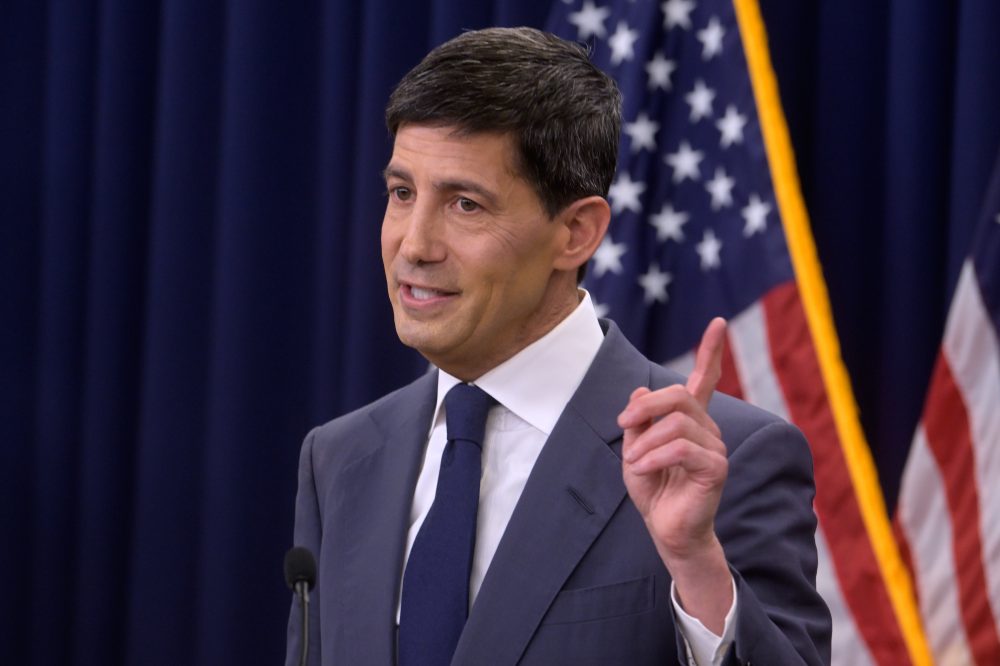
“The Trump EPA’s action follows the rule of law and will reduce of cost of generating baseload power, lowering costs and improving reliability for consumers,” EPA Deputy Administrator David Fotouhi said in a statement. Agency officials estimate the regulatory change will save hundreds of millions of dollars.
The new regulation brings back industry standards originally put in place during 2012 under the Obama administration, which successfully cut mercury pollution by almost 90%. The Biden administration had worked to strengthen those requirements even more after Trump’s first term had attempted to weaken them.
Power plants that burn coal represent the biggest single source of mercury contamination caused by human activity. These facilities discharge mercury into the air, which later comes down through rainfall or settles naturally, contaminating the food supply through fish and other consumable products.
Conservation organizations maintain that stronger pollution controls have protected lives and improved health outcomes for communities located near coal power facilities. However, industry representatives have argued that stricter emission requirements, combined with other coal plant regulations, have made operations financially unsustainable.
Industry leaders have criticized the Biden administration for implementing excessive regulatory requirements that would force widespread plant closures.
“The reliability of the electric grid is in a better place because of the administration’s swift repeal of this rule. As crafted, the rule would have dealt a crippling blow to power plants that are essential to maintaining grid reliability,” said Jim Matheson, CEO of the National Rural Electric Cooperative Association.
The coal sector’s prospects have shifted significantly over the past twelve months.
During March, EPA officials touted what they called the “biggest deregulatory action in U.S. history,” revealing plans to eliminate numerous environmental safeguards. The Biden administration’s climate change priorities were ending — EPA Administrator Lee Zeldin described the moves as “the death of the ‘green new scam.’” Fossil fuel regulations became primary targets, including major initiatives to cut carbon pollution from coal facilities and require greenhouse gas disclosure. The current Trump administration has also given additional time for many coal plants to meet certain Clean Air Act requirements.
In addition to reducing environmental oversight, the Trump administration has issued emergency directives preventing the planned closure of multiple coal facilities. Government officials argue these plants provide steady electricity during severe weather or other high-demand periods. Eliminating coal would compromise grid dependability, particularly as new data centers create unprecedented electricity demands, according to officials. They have rejected concerns about increased consumer costs from maintaining coal operations, their substantial emissions, and their major role in climate change.
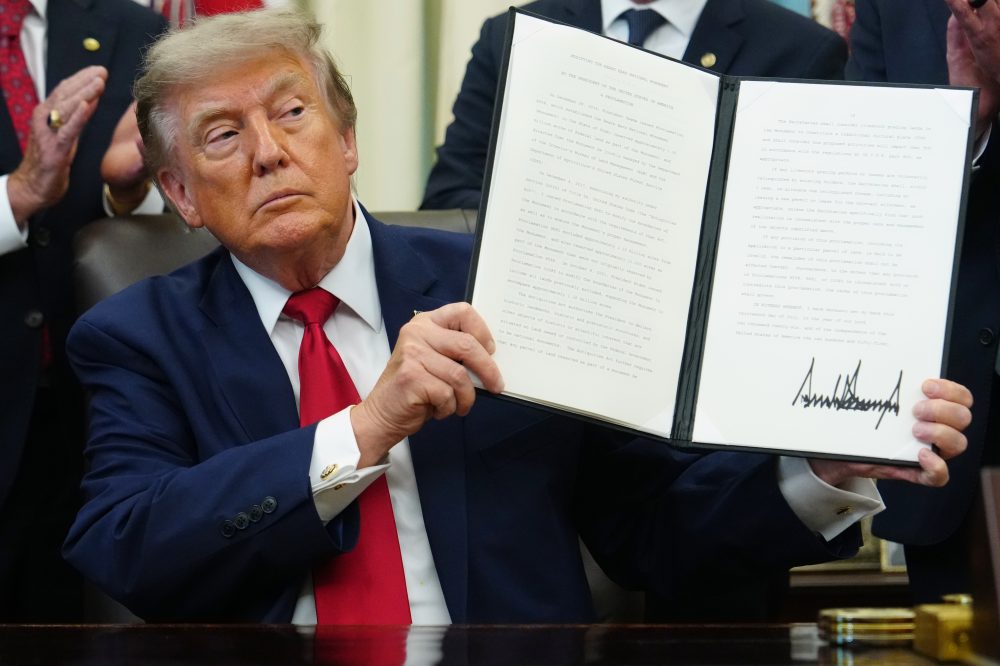
Earlier this month, EPA officials also withdrew a determination that climate change poses public health risks, which has historically justified federal regulation of greenhouse gas emissions. Recently, President Donald Trump met with coal miners who praised him as the “Undisputed Champion of Beautiful, Clean Coal.”
Environmental advocates argue that supporting coal makes no economic sense when renewable energy sources are cleaner, more affordable, and dependable.
Gina McCarthy, who led EPA during Barack Obama’s presidency, said the Trump administration will be known for prioritizing the coal industry over public health.
“By weakening pollution limits and monitoring for brain-damaging mercury and other pollutants, they are actively spiking any attempt to make America – and our children – healthy,” said McCarthy, who also chairs the climate advocacy organization America Is All In.