
Energy markets worldwide are experiencing dramatic price increases as ongoing military conflict involving the United States, Israel and Iran has severely disrupted oil and gas operations throughout the Middle East region.
The price of Brent Crude oil climbed 6% on Tuesday, reaching above $82 per barrel – the highest level seen since July of last year. This represents a more than 15% increase since Friday alone. European natural gas costs have skyrocketed by 40% on Tuesday, following a similar 40% jump the previous day. The surge has also affected other commodities including sugar, fertilizer and soy products.
The ongoing crisis threatens to reignite inflationary pressures that could undermine economic recovery efforts across Europe and Asia, particularly if hostilities continue in a region responsible for nearly one-third of worldwide oil output and approximately 20% of global natural gas production.
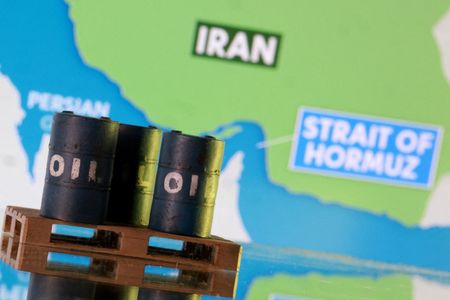
Maritime traffic through the crucial Strait of Hormuz remains blocked for the fourth consecutive day following Iranian attacks on five vessels, effectively cutting off a vital waterway that handles roughly 20% of the world’s oil and gas shipments.
Tuesday brought additional infrastructure damage as a fuel storage tank at Oman’s Duqm commercial port sustained a hit, while fires erupted at Fujairah in the United Arab Emirates, a critical regional petroleum hub.
Major energy producers across the region have been forced to halt operations. Qatar announced the closure of its massive liquefied natural gas plants on Monday – facilities that normally provide about 20% of global LNG exports. Saudi Arabia has suspended operations at its largest domestic refinery, while both Israel and Iraq’s Kurdistan region have also shut down significant portions of their oil and gas production.
President Donald Trump initiated what many consider the most significant foreign policy risk of his administration when he authorized attacks on Iran over the weekend, resulting in the death of Supreme Leader Ali Khamenei.
Domestically, gasoline prices have climbed above $3 per gallon for the first time since November, marking a sharp reversal from the $2 prices Trump had previously celebrated as an administration success.
The rising fuel costs present a substantial political challenge for Trump and Republican lawmakers as they approach November’s midterm elections, with many Americans already facing pressure from increasing costs of everyday necessities.
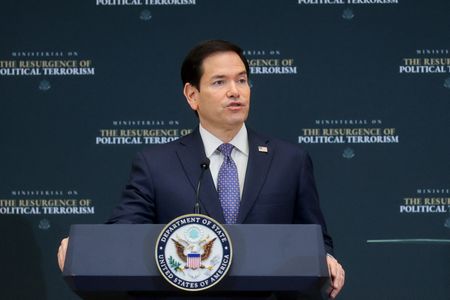
Treasury Secretary Scott Bessent and Energy Secretary Chris Wright are expected to unveil measures on Tuesday aimed at reducing the price surge’s impact on American consumers, according to Secretary of State Marco Rubio.
India, heavily reliant on Middle Eastern energy imports, has implemented gas rationing for industrial users following the shutdown of Qatari production facilities.
While most Qatari LNG typically flows to Asian markets, European nations also depend on these supplies and are completely reliant on energy imports. Europe faces the challenge of replenishing reserves that were depleted during a harsh winter, likely requiring increased dependence on American gas after cutting ties with Russian energy following the 2022 Ukraine invasion.
Global shipping costs have reached record highs as the conflict has escalated and Iran has continued targeting vessels attempting to navigate through the strait.
The blockade of the Strait of Hormuz has left hundreds of oil and LNG tankers stranded near major ports like Fujairah in the UAE, unable to deliver their cargo to customers across Asia, Europe and other destinations.
Unless alternative transportation can be secured, major oil producers including Saudi Arabia, the UAE, Iraq, Kuwait and Iran will be forced to reduce production within days as they run out of available tankers to transport continuing oil output.
Western defense analysts are working to determine Iran’s remaining missile and drone capabilities to sustain its current level of attacks.
While Saudi Arabia, the UAE, Oman and Kuwait have successfully intercepted most missiles and drones aimed at energy infrastructure, ports and airports, concerns are growing about the depletion of their defensive weapon stockpiles.