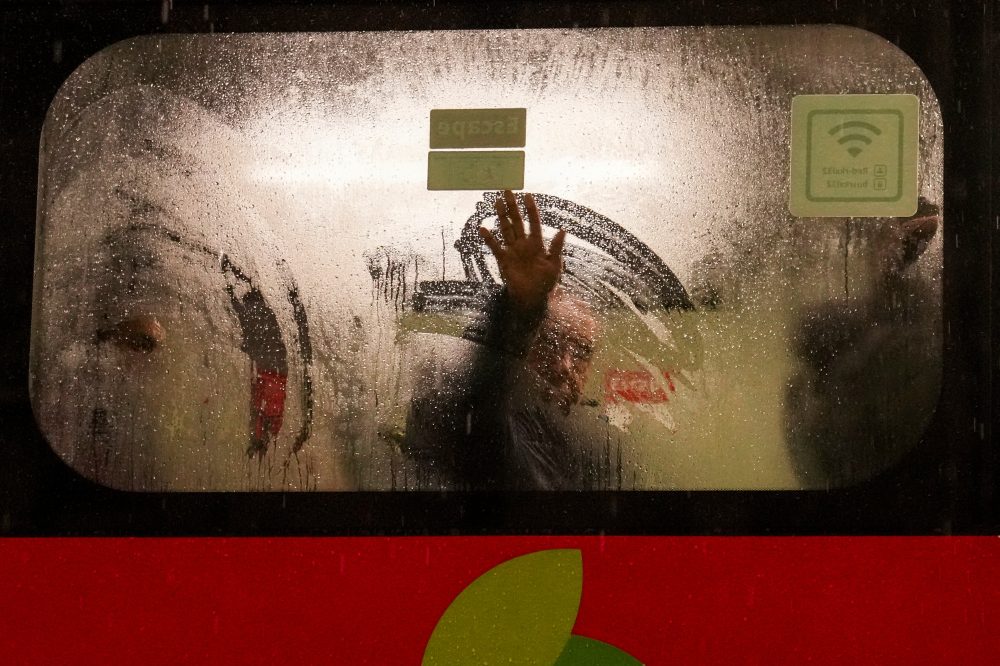

SANTIAGO, Chile — A week of punishing rainstorms linked to the El Niño weather phenomenon has claimed at least 10 lives in Chile, as emergency crews scrambled Tuesday to reach more than 100,000 people cut off by flash flooding in what is being called one of the worst weather disasters the country has seen in decades.
Heavy rain and powerful winds continued hammering the normally dry northern regions of Atacama and Coquimbo, where President José Antonio Kast’s government declared a state of emergency on Monday.
In addition to the fatalities, officials report 16 people have been injured and more than 4,000 have been forced from their homes. Of those displaced, 1,031 are currently staying in emergency shelters. Thousands more have lost access to electricity and clean drinking water.
The storms have completely destroyed 81 homes and left damage to more than 20,000 others. Chile’s national disaster response agency, Senapred, has issued hundreds of evacuation alerts covering 10 of the country’s 16 regions.
According to Senapred, a total of 104,271 people remain stranded due to flooded roads and rivers swollen beyond their banks. The agency cautioned that rivers will continue to pose a serious danger even after rainfall lets up.
Alicia Cebrián, the head of Senapred, explained why the danger doesn’t end when the rain stops. “River levels do not necessarily rise at the same time precipitation is falling,” she said. “Water accumulates in the foothill areas, which means river levels can continue rising even hours after the storm system has passed.”
Weather experts are attributing the extreme rainfall to the return of El Niño, a naturally occurring Pacific Ocean climate pattern that pushes temperatures higher and intensifies extreme weather. El Niño is known to bring heavier-than-normal rainfall to parts of southern South America.