
WASHINGTON — Doubts emerged Friday regarding a proposed agreement between the United States and Iran to prolong their current ceasefire arrangement, with questions remaining about presidential backing and Iranian officials emphasizing military power over diplomatic discussions.
Vice President JD Vance announced Thursday that the two nations had reached a preliminary understanding. However, he noted that negotiators were still working through “a couple of language points” and could not confirm whether President Trump would endorse the arrangement.
Speaking on X Friday, Iranian Parliament Speaker Mohammad Bagher Qalibaf stated his nation has “no trust in guarantees or words,” only actions, declaring “no step will be taken before the other side acts.”
“We do not gain concessions through talks, but through missiles. In negotiations, we only make them understand that,” Qalibaf posted, having participated in this week’s negotiations in Qatar. He continued: “The winner of any agreement is the one who is better prepared for war the day after it is signed.”
A U.S. official with knowledge of the discussions revealed the preliminary deal would extend the current ceasefire in the three-month conflict by 60 days while launching fresh discussions regarding Iran’s nuclear capabilities.
The official, speaking anonymously without authorization for public comment, said early negotiations during the 60-day extension would address Iran’s stockpile of highly enriched uranium. The Islamic Republic currently possesses 440.9 kilograms (972 pounds) of uranium enriched to 60% purity, according to the International Atomic Energy Agency — just steps away from the 90% weapons-grade threshold.
Vance explained Thursday evening that negotiators were discussing “a couple of issues on the nuclear stuff, the highly enriched stockpile, and also the question of enrichment.” The vice president indicated talks aimed to establish broad principles regarding uranium in the preliminary agreement, with detailed terms to follow in subsequent negotiations.
While Trump’s administration initially stated preventing Iranian nuclear weapons development as a primary goal, Vance characterized the conflict’s achievements in more modest terms.
“We’re in a position where we could substantially set back their nuclear program, not just during the term of this president but over the long term,” Vance stated. “That’s a very very good thing for the American people.”
Iran, which maintains its nuclear activities serve peaceful purposes, has not publicly agreed to surrender its uranium reserves. The stockpile is reportedly stored beneath three nuclear facilities severely damaged in U.S. bombing campaigns last year.
Nuclear experts suggest Iran might accept China or Russia, both Tehran allies, as potential third parties to secure the enriched uranium. However, Trump expressed Wednesday he “wouldn’t be comfortable” with such arrangements.
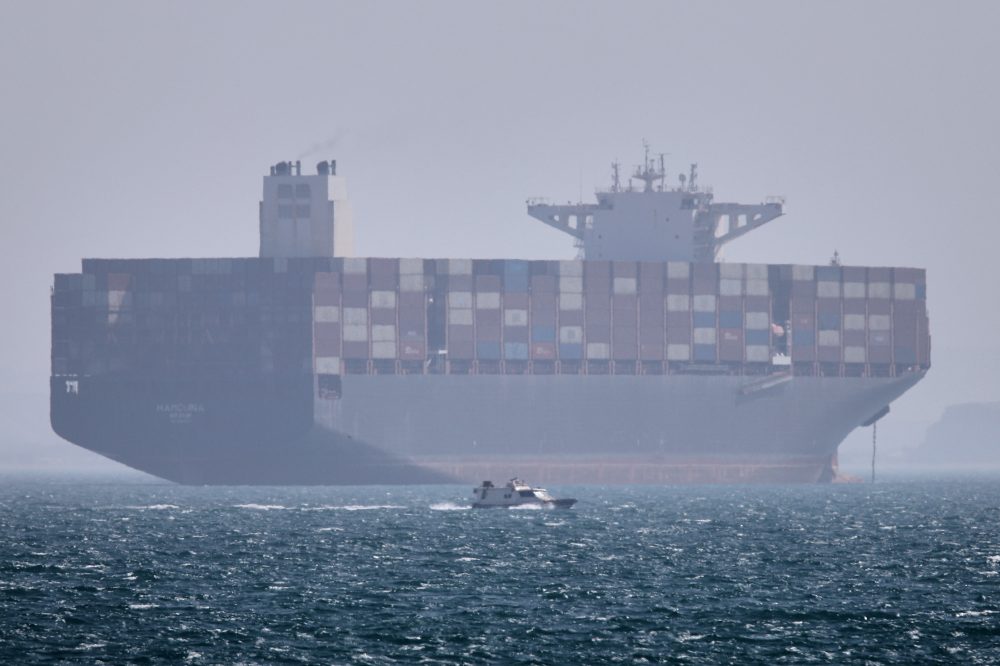
The draft agreement specifies Iran cannot levy fees on Strait of Hormuz passage and must clear all mines from the crucial shipping lane within 30 days, according to the anonymous official.
Throughout the conflict, Iran has essentially blocked the strait, previously handling roughly one-fifth of global oil and natural gas trade. This closure has driven worldwide energy prices dramatically higher.
Iran reports allowing limited commercial traffic — approximately two dozen vessels daily recently, compared to over 100 daily before hostilities began. The Islamic Republic has also imposed transit fees on certain ships and created an official oversight agency this month, prompting new U.S. sanctions this week.
The proposed agreement would see America gradually end its naval blockade of Iranian ports while easing sanctions to permit increased Iranian oil sales.
Despite deal discussions, the U.S. Treasury Department added fresh sanctions targeting the Iranian military’s petroleum sales division. These new measures, initially reported by The Associated Press, continue the Trump administration’s economic pressure strategy against the Islamic Republic.
Iran demands any agreement include cessation of Israel’s military actions in Lebanon against Iranian-supported Hezbollah forces. Lebanese tensions escalated Thursday as Israel launched airstrikes on Beirut’s southern suburbs and the coastal city of Tyre, killing at least 14 people across southern regions.
Since the ceasefire implementation roughly seven weeks ago, both nations have exchanged attacks and mutual accusations of violations. However, they have avoided returning to full combat while maintaining diplomatic efforts.