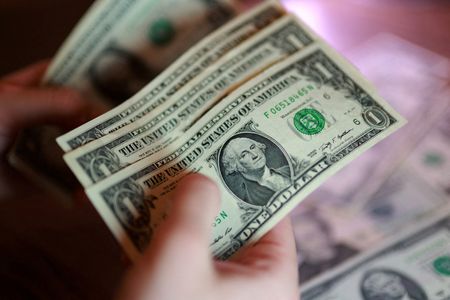

One year after President Donald Trump implemented his comprehensive ‘Liberation Day’ tariff package, the American dollar has demonstrated remarkable recovery, bolstering its reputation as a safe investment amid ongoing Middle Eastern warfare.
During the first quarter of this year, the dollar climbed approximately 1.6%, marking its strongest three-month period since the end of 2024. This surge stems largely from America’s position as an energy-producing nation and investors seeking secure assets during uncertain times.
The current strength presents a dramatic turnaround from twelve months ago, when Trump’s tariff implementation triggered significant dollar weakness. At that time, markets responded negatively to increased trade policy uncertainty, the president’s criticism of Federal Reserve actions, and his distancing from international partnerships and global organizations.
Last year proved particularly challenging for the greenback, with the dollar index – which compares the currency’s value against major international currencies – dropping nearly 10%. This decline represented the currency’s poorest annual showing since 2017.
Despite the recent recovery in early 2026, financial experts caution that the dollar continues facing long-term downward forces, while questions persist regarding its dominant role in international commerce and financial markets.
International monetary authorities are closely monitoring central bank reserve holdings for indicators that nations might be reducing their dollar dependency. Recent International Monetary Fund data covering the fourth quarter of 2025 shows a continued gradual decrease in the dollar’s portion of worldwide foreign exchange reserves.
This declining share has been a gradual trend over recent years, with the euro and Chinese yuan appearing to benefit most from the dollar’s challenges. Nevertheless, experts don’t anticipate the dollar losing its status as the primary global reserve currency anytime soon, given America’s continued leadership in worldwide economic activity, international trade, and debt markets. The recent changes remain too modest to significantly impact the dollar’s overall dominance.
Foreign investment patterns also play a crucial role in dollar strength. International investors hold substantially more American assets than U.S. investors possess overseas, reflecting years of foreign capital flowing into the United States that has supported currency strength. Any reduction in this investment flow could potentially weaken the dollar’s position.