
ISLAMABAD (AP) — Diplomatic optimism emerged Wednesday regarding potential fresh negotiations between Washington and Tehran, even as American naval forces confirmed their blockade of Iranian ports had become fully operational and Iran issued threats of regional retaliation.
Former President Donald Trump indicated Tuesday that additional diplomatic discussions might occur “over the next two days,” informing the New York Post that negotiations could again take place in Islamabad while diplomatic representatives worked behind the scenes to coordinate arrangements.
United Nations Secretary-General António Guterres expressed agreement, stating it’s “highly probable” that diplomatic discussions will resume. He referenced a recent conversation with Pakistan’s Foreign Minister Ishaq Dar.
Commodity markets responded positively to prospects of conflict resolution, with petroleum prices declining and American equity markets climbing near January’s record levels. The ongoing conflict, now entering its seventh week, has disrupted global markets and destabilized the international economy through severed shipping routes and military strikes targeting infrastructure throughout the region.
In Washington developments, the first face-to-face discussions in decades between Israeli and Lebanese diplomatic representatives to America ended on an encouraging note Tuesday, the State Department reported.
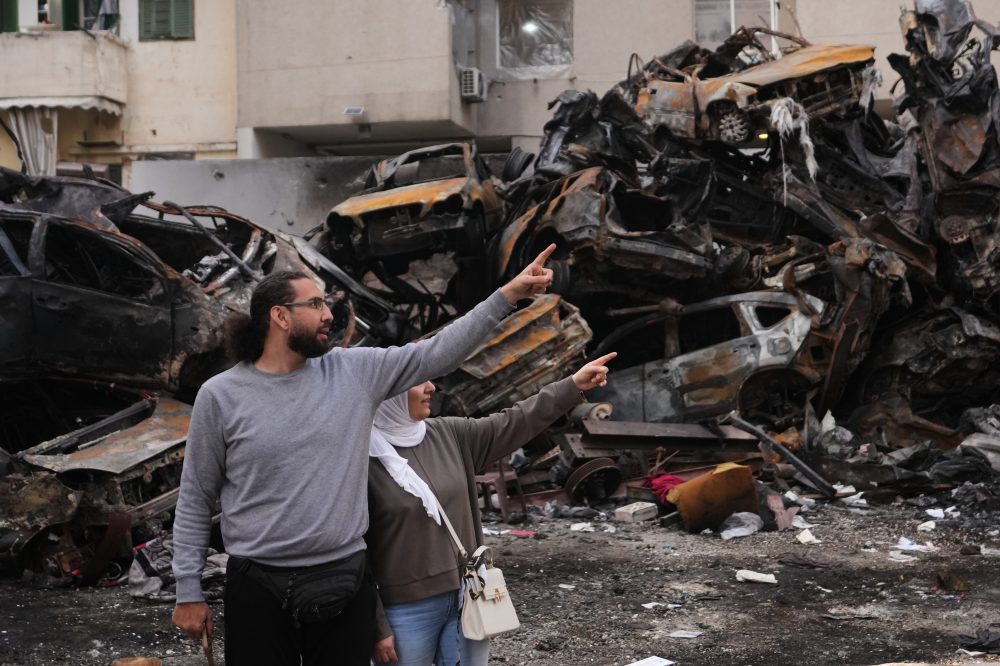
Israeli Ambassador Yechiel Leiter stated both nations stand “on the same side of the equation” regarding “liberating Lebanon” from Hezbollah militants. Lebanese Ambassador Nada Hamadeh Moawad described the discussions as “constructive” while advocating for an end to the current hostilities between Israel and Iran-supported Hezbollah forces. Since March, this conflict has forced over one million Lebanese residents from their homes.
Israel and Lebanon have remained technically in a state of war since Israel’s establishment in 1948, with Lebanon continuing to experience deep internal divisions regarding diplomatic relations with Israel.
Previous weekend negotiations in Pakistan aimed at permanently resolving the US-Iran standoff ended without achieving any breakthrough. White House officials identified Iran’s nuclear program as a primary obstacle.
“I think they want to make a deal very badly,” Trump stated during an interview excerpt with Fox Business Network’s “Mornings with Maria” set to broadcast Wednesday morning. He continued: “I view it as very close to over.”
A US government source revealed Tuesday that potential new discussions with Iran remained under consideration without any confirmed scheduling. The source requested anonymity due to the sensitive nature of ongoing diplomatic efforts.
Muhammad Aurangzeb, Pakistan’s finance minister, informed The Associated Press that “our leadership is not giving up” regarding efforts to facilitate conflict resolution between America and Iran.
While the current ceasefire appeared stable, the confrontation over the crucial Strait of Hormuz threatened to reignite violence and worsen the regional conflict’s economic consequences.
Combat operations have resulted in at least 3,000 Iranian fatalities, more than 2,100 Lebanese deaths, 23 Israeli casualties, and over a dozen deaths in Gulf Arab nations. Thirteen American military personnel have also lost their lives.
US Central Command reported Tuesday that no vessels successfully bypassed the blockade during the initial 24-hour period, while six commercial ships followed American military directions to reverse course and return to Iranian territorial waters.
The naval blockade aims to apply pressure on Iran, which has continued exporting millions of oil barrels, primarily to Asian markets, since hostilities began February 28. Much of this trade likely involves covert shipping operations that circumvent sanctions and monitoring, generating crucial revenue for Iran’s continued operations.
Oil tankers approaching the strait Monday changed direction shortly after blockade implementation, though one vessel subsequently reversed course again and passed through the waterway.
Since conflict eruption, Iran has restricted maritime traffic, with most commercial shipping avoiding the passage. Tehran’s effective blockade of the strait, which normally handles one-fifth of global oil transit during peacetime, has caused petroleum prices to surge dramatically, increasing costs for gasoline, food, and essential commodities well beyond Middle Eastern borders.