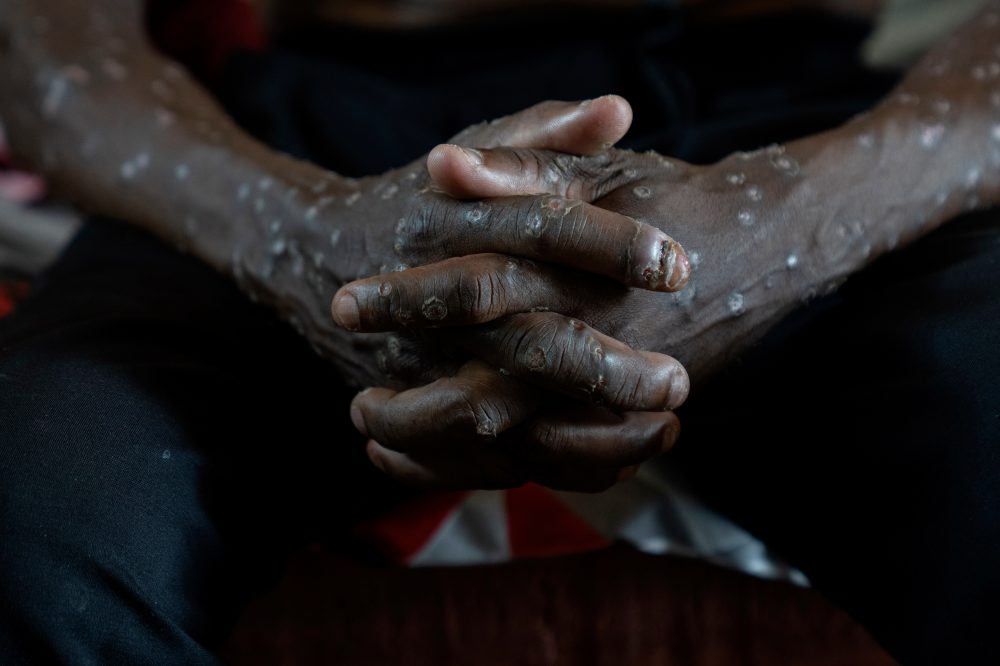

The Democratic Republic of Congo announced Thursday that it has officially ended a devastating mpox outbreak that persisted for two years and resulted in more than 2,200 suspected fatalities across the nation.
Health Minister Roger Kamba informed reporters that officials had determined the outbreak had concluded and no longer constituted a national emergency situation.
The central African nation served as the epicenter of the infectious viral disease outbreak that expanded into surrounding countries throughout 2024, leading the World Health Organization to issue a global health emergency declaration when the disease crossed international boundaries. The WHO lifted its global emergency status in September.
According to the Africa Centers for Disease Control and Prevention, Congo recorded over 161,000 suspected mpox cases throughout the outbreak spanning 2024 into this year, with approximately 37,000 cases verified through laboratory testing.
The Africa CDC reported 2,286 suspected fatalities, though only 127 deaths received laboratory confirmation.
Scientists first discovered mpox, previously called monkeypox, in 1958 during outbreaks of a “pox-like” illness among monkeys. Until recent years, human infections primarily occurred among individuals in central and western Africa who had direct contact with infected wildlife.
In 2022, researchers confirmed the virus could transmit through sexual contact for the first time, sparking outbreaks across more than 70 nations that had never previously documented mpox cases.
According to WHO data, mpox typically presents with rash and fever symptoms, though it may occasionally lead to severe complications. The majority of patients make complete recoveries.