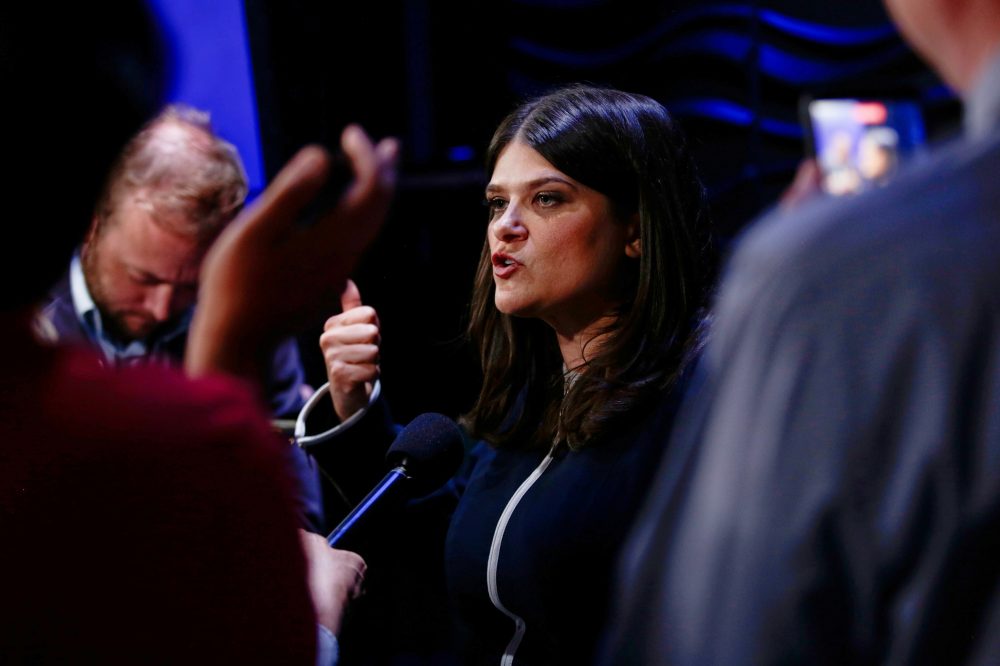

A delegation of Democratic legislators from Congress visited Puerto Rico on Friday, making commitments to address the territory’s slow recovery from major natural disasters that have relied on federal assistance.
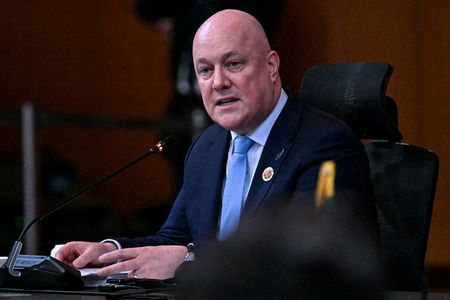
Mississippi Rep. Bennie G. Thompson, who serves as the ranking member of the House Committee of Homeland Security, explained that he and fellow lawmakers conducted meetings with Puerto Rican mayors during their two-day visit to the territory. The mayors expressed frustrations about delayed reimbursements and slow approval processes for recovery projects.
“We’ll move some of those concerns into corrective actions,” Thompson stated during a press conference. “The system should work better.”
Pablo José Hernández, who represents Puerto Rico in Congress, explained that local mayors raised these issues after former Homeland Security Secretary Kristi Noem established a requirement that DHS spending exceeding $100,000 needed direct approval from her office.
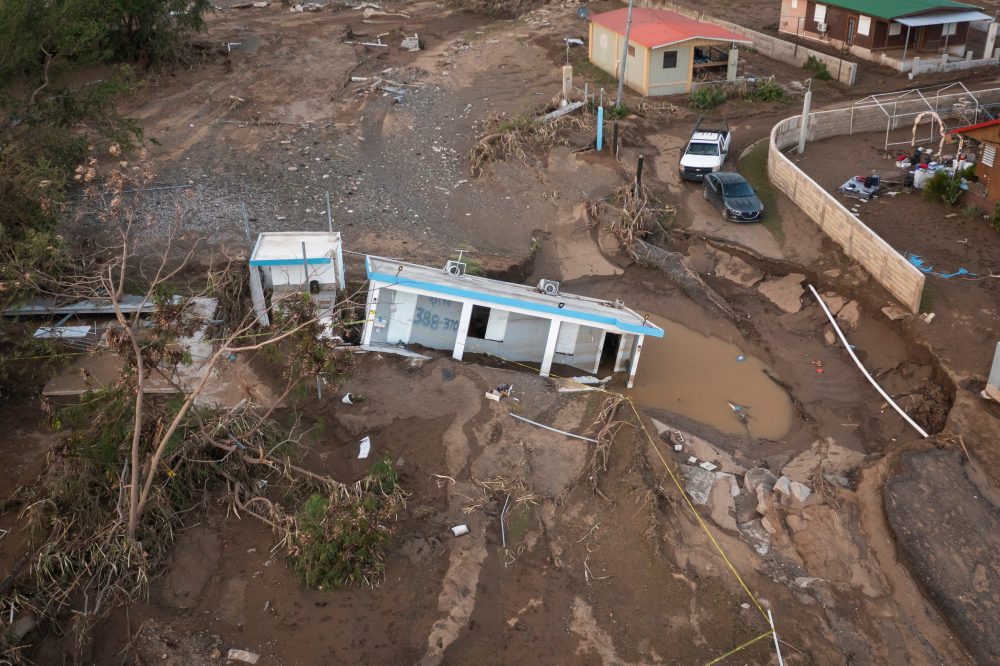
This requirement created additional setbacks for Puerto Rico’s recovery from hurricanes Maria and Fiona, along with powerful earthquakes that occurred in late 2019 and early 2020.
The new Homeland Security Secretary Markwayne Mullin eliminated this rule in April, though obstacles continue to exist.
Thompson pointed out that approximately one-third of the U.S. Federal Emergency Management Agency’s workforce “has been done away with.”
“Not a lot of people to answer the phones or look at the paperwork because they’re not there,” he explained.
While Thompson mentioned that Mullin has committed to restoring employees, the timeline for these additions remains uncertain.
“FEMA’s role is to be here in a time of need when local resources have been overrun,” Thompson explained. “Obviously, hurricanes that you’re dealing with over time have overrun local resources.”
Hurricane Maria struck Puerto Rico in September 2017 as a devastating Category 4 storm. The hurricane destroyed the island’s electrical infrastructure and resulted in approximately $90 billion in damages. Following the storm’s aftermath, an estimated 2,982 people lost their lives.
Hurricane Fiona struck Puerto Rico in September 2022 as a Category 1 storm, once again damaging an electrical system that had not been fully restored since Hurricane Maria.
Additionally, earthquakes that affected southern Puerto Rico resulted in an estimated $3 billion in damages.
The territory continues working toward recovery from these disasters, with approximately 30% of reconstruction projects still awaiting completion.
According to Puerto Rico’s Central Office for Recovery, Reconstruction and Resiliency, which handles federal grant funding, nearly $43 billion in federal money has been allocated, with nearly $40 billion obligated and $12.7 billion distributed.
Caguas Mayor William Miranda Torres explained that accumulated pending projects create bottlenecks that increase expenses, leading to additional delays. He noted numerous projects in his municipality remain unfinished.
A DHS report from September 2025 determined that FEMA “did not ensure the timely rebuilding of Puerto Rico’s electrical grid” following Hurricane Maria and that FEMA officials “missed opportunities to provide more assistance to Puerto Rico.”
A February 2024 audit conducted by the U.S. Government Accountability Office revealed that Puerto Rico’s government had utilized less than 10% of more than $23 billion in available federal funding at that time.
Problems included increasing expenses, worker shortages, major reductions in insurance availability, and global supply chain disruptions. Many of these issues continue to affect recovery efforts.