
Delaware lawmakers have enacted sweeping revisions to the municipal charter governing the Village of Arden, implementing changes that expand the community’s boundaries and update its administrative processes.
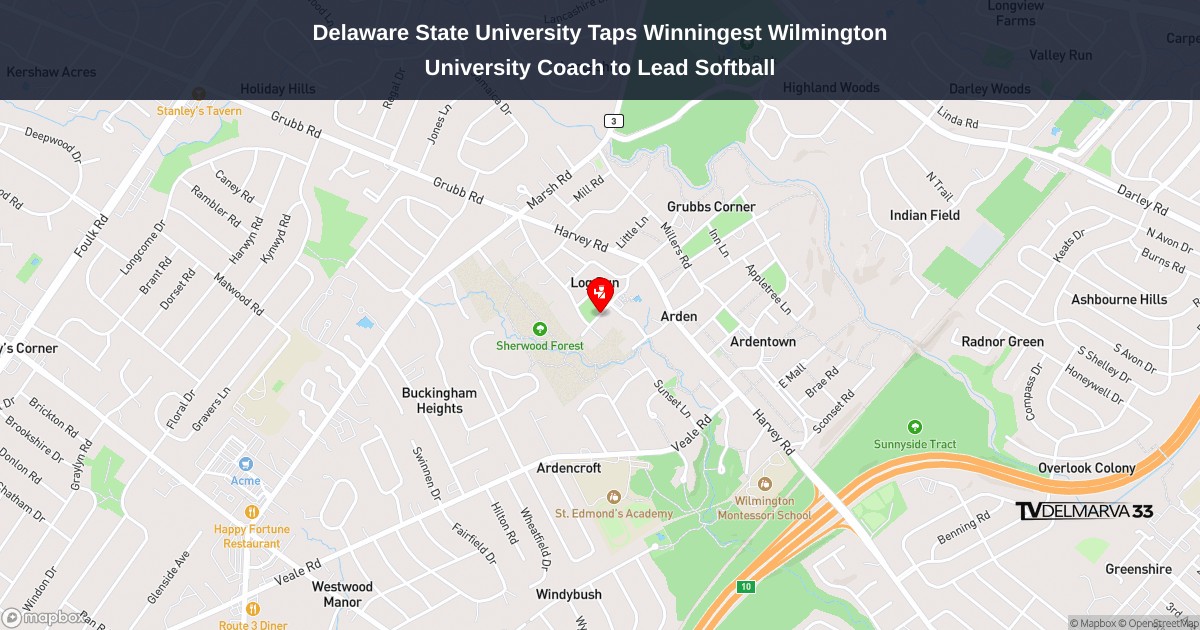
The legislation, which serves as a replacement for Senate Bill No. 220, incorporates two new areas into the village limits: the Sherwood Forest Addition and the Mill Race Addition. The measure also reinforces the state legislature’s authority to establish municipal boundaries.
Several governance modifications are included in the updated charter. Town Assembly regular meetings will now take place at the Gild Hall or another appropriate public location, whether in-person or virtual within the village. The legislation also streamlines procedures for calling special meetings and establishes new protocols for creating, modifying, and eliminating local ordinances.
Under the revised charter, referendums can be initiated through a majority decision at Town Assembly gatherings. The Board of Assessors will gain a non-voting alternate position, while election procedures for this board will be moved to ordinance rather than charter level. Additionally, the board must now evaluate community living standards alongside the traditional assessment of rental values for leased properties.
Budget-related changes transfer election procedures for the Budget Committee to ordinance status and establish a contingency plan: if voters reject a proposed budget, the previous year’s budget remains in effect until a replacement receives approval.
The updated charter modifies penalty structures and appeal processes for Charter and ordinance violations handled by Justices of the Peace. It also streamlines law enforcement provisions and requires a second village official to witness all municipal contracts alongside the Town Assembly Chair’s signature.
The legislation eliminates charter sections addressing fire safety, zoning, and housing regulations, as New Castle County already manages these areas. Throughout the document, gender-specific terminology has been replaced with gender-neutral language, and various minor linguistic updates have been incorporated.