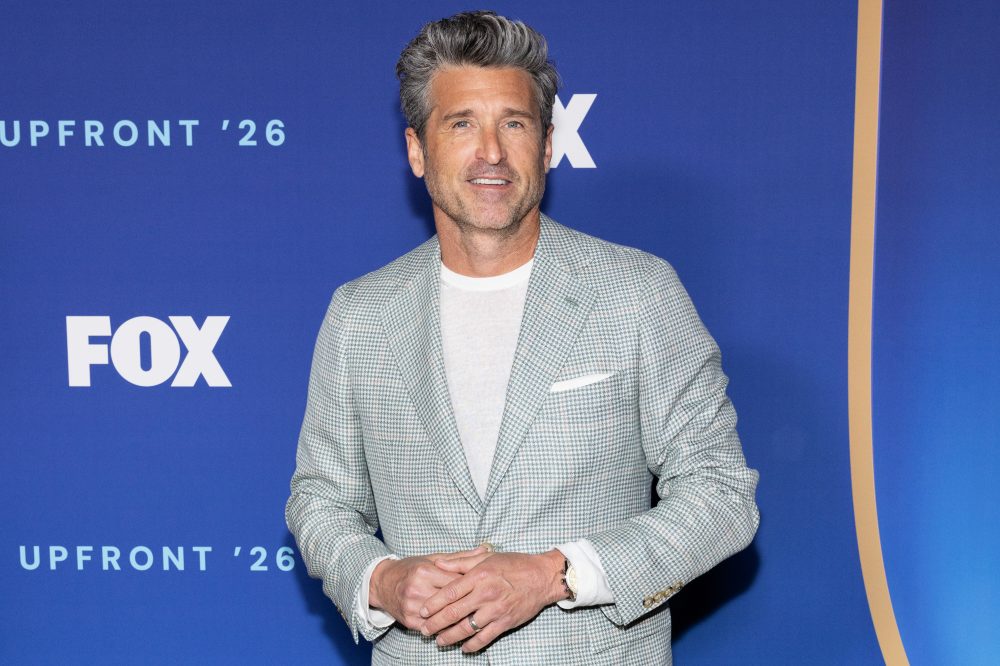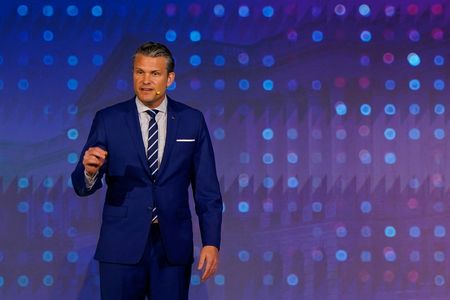

U.S. Defense Secretary Pete Hegseth arrived at the American naval facility at Guantanamo Bay, Cuba, on Wednesday, marking another significant visit by a top U.S. official to the communist nation as President Donald Trump intensifies diplomatic pressure on the island.
The Defense Secretary’s arrival comes just under two weeks following a visit by General Francis Donovan, the leading U.S. military commander for Latin America, who toured Naval Station Guantanamo Bay and conducted talks with a high-ranking Cuban general at the base’s boundary.
The trip also comes after CIA Director John Ratcliffe made an uncommon journey to Havana in May.
Upon arriving at Guantanamo Bay, Hegseth offered no public statements and is scheduled to meet with American military personnel deployed at the facility.
During his second presidential term, Trump has frequently mentioned achieving political transformation in Cuba as one of his administration’s international objectives.
According to Michael Bustamante, who leads the Cuban studies program at the University of Miami, the visit may be designed to demonstrate American determination as Cuba faces increasing fears of a potential U.S. military strike.
“Perhaps Hegseth’s visit is intended to yet again reinforce the message that the cost of not coming to the table could be use of a military option, even as observers increasingly warn of such an operation’s potential complications,” he said.
Relations between Cuba and the United States have remained hostile since Fidel Castro’s revolutionary takeover in 1959.
Trump enjoys strong backing from hardline Cuban Americans in Florida who have advocated for U.S.-supported government change for many years, and his current administration has been progressively increasing pressure on the Cuban government.
In a significant legal move on May 20, the United States officially filed criminal charges against former Cuban President Raul Castro, accusing him of four murder counts related to the 1996 shooting down of civilian planes flown by Miami-based Cuban exiles.
This legal action represents another instance of the Trump administration’s campaign to expand U.S. influence throughout the Western Hemisphere.
The administration’s more aggressive approach in Latin America was demonstrated by a bold U.S. military operation on January 3 that resulted in the capture of Venezuelan President Nicolas Maduro. Maduro, a socialist leader with ties to Cuba, was transported to New York to face drug trafficking allegations. He has entered not guilty pleas to all charges.
U.S. Secretary of State Marco Rubio, whose parents immigrated from Cuba and who is considered a potential candidate for the 2028 Republican presidential race, has created concern in Havana by discussing the national security threat he believes is posed by what he describes as a failing nation located just 90 miles from Florida.
On May 5, Rubio and Donovan appeared together in front of a Cuban map in a social media post from Donovan’s Southern Command. The post indicated their discussions centered on “U.S. efforts to counter threats that undermine security, stability and democracy in our hemisphere.”
Cuban Foreign Minister Bruno Rodriguez has issued warnings that any military intervention would result in a “bloodbath” causing the deaths of thousands of both Cubans and Americans.
The current administration has essentially created a fuel embargo against the island by threatening tariffs against nations that provide Cuba with oil and other energy resources, causing widespread power failures and further damaging the country’s struggling economy.
Policy analysts warn that instability in Cuba could lead to a refugee crisis.