
Defense Secretary Pete Hegseth returns to Capitol Hill Tuesday for another session of congressional scrutiny regarding the ongoing Iran conflict, with lawmakers from both parties raising questions about the war’s trajectory and authorization.
Some Republican members have joined Democrats in expressing unease about how long the conflict has continued and the absence of formal congressional approval for military action.
Meanwhile, President Donald Trump continues dealing with economic fallout from Iran’s effective blockade of the Strait of Hormuz, a critical waterway that typically handles 20% of global oil shipments. On Monday, Trump described the current ceasefire as being on “massive life support” while criticizing Iran’s most recent negotiating proposal and reiterating his position that Iran must substantially curtail its nuclear activities.
The House Appropriations defense subcommittee convened Tuesday morning to hear testimony from Trump’s senior advisers regarding the Iran situation.
This hearing represents part of ongoing congressional budget discussions. Pentagon officials are seeking $1.5 trillion for the 2027 fiscal year, marking approximately a 44% jump from current defense spending levels.
During previous Capitol Hill appearances, Hegseth has engaged in heated exchanges with Democratic lawmakers. Despite declining public support for the conflict, he has remained a firm advocate for the military campaign against Iran.
In related developments, Trump plans to undergo medical and dental examinations this month at Walter Reed National Military Medical Center on May 26, marking his fourth publicly announced medical visit since resuming the presidency. The White House characterized this as routine annual healthcare and preventive treatment.
At nearly 80 years old, Trump holds the distinction of being the oldest person ever elected to the presidency, making his health status a subject of intense public interest. The president has previously expressed regret about undergoing heart and abdominal imaging last year due to the public speculation it generated about his wellbeing.
Despite his age, Trump recently commented on feeling remarkably youthful. During an Oval Office gathering Monday, he stated: “I feel literally the same” as he did five decades ago, adding “I don’t know why. It’s not because I eat the best foods.”
On the Supreme Court front, justices Monday cleared the way for Alabama to dismantle one of its two predominantly Black congressional districts ahead of upcoming midterm elections, potentially allowing Republicans to secure an additional House seat in the tightly contested chamber.
This development stems from an April Supreme Court decision that invalidated a majority-Black House district in Louisiana, ruling it constituted unconstitutional racial gerrymandering and weakening federal Voting Rights Act protections.
Alabama authorities had referenced the Louisiana ruling in requesting the Supreme Court eliminate a judicial mandate requiring use of a court-designed House map through the 2030 census. Monday’s ruling overturned that requirement and instructed lower courts to reassess the situation considering the Louisiana precedent. This could allow Alabama to implement a 2023 Republican legislature-approved map containing just one majority-Black district.
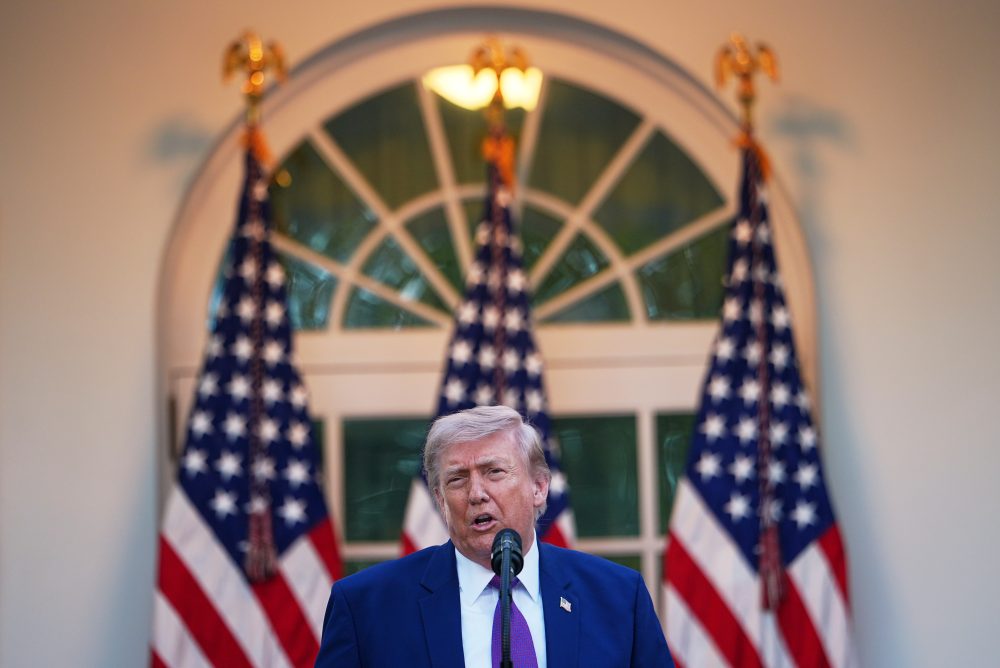
Internationally, Trump departs Tuesday for Beijing to meet with President Xi Jinping following weeks of unsuccessful attempts to convince China to leverage its influence with Iran. The goal has been persuading Iran to accept U.S. conditions for ending the two-month conflict or at minimum reopening the Strait of Hormuz.
Trump has alternated between frustration that China, Iran’s largest oil customer, hasn’t applied more pressure on the Islamic Republic, and recognition that Xi’s administration helped calm tensions last month by encouraging Tehran to return to ceasefire negotiations when talks nearly collapsed.
However, White House officials have set modest expectations for Trump’s ability to alter China’s Iran policy during this high-stakes diplomatic visit.
The administration appears committed to preventing Iran disagreements from derailing progress on other challenging aspects of U.S.-China relations, including trade disputes and expanded Chinese cooperation in blocking fentanyl precursor chemical exports.