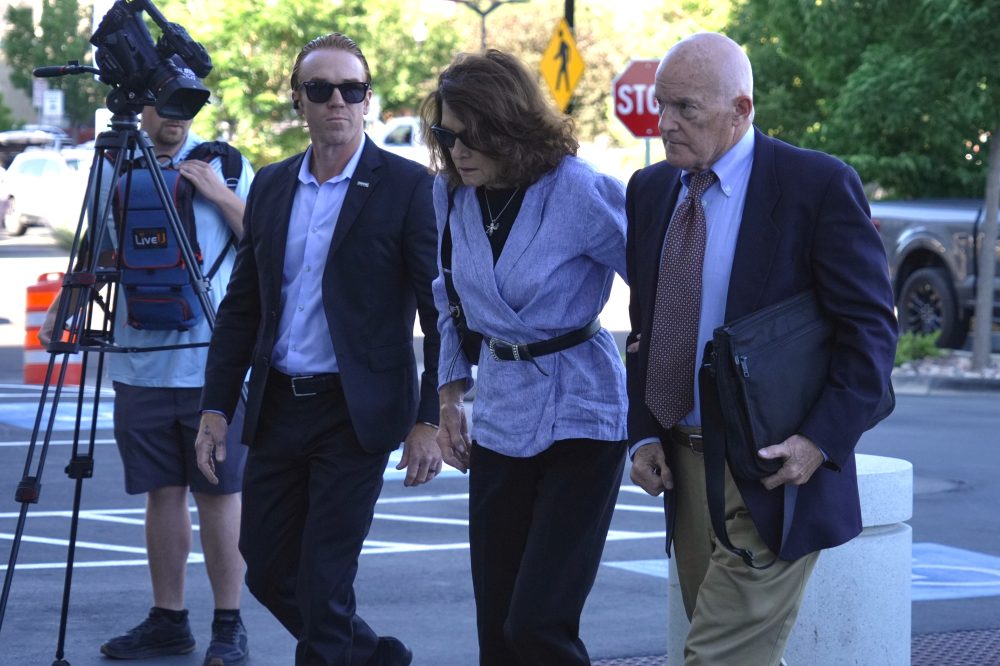

PROVO, Utah — Defense attorneys representing the man charged with fatally shooting conservative activist Charlie Kirk are set to call their final witness Friday, as they work to cast doubt on the prosecution’s evidence before a judge decides whether the case should proceed to trial.
A Utah judge is weighing whether there is sufficient evidence to try Tyler Robinson on a charge of aggravated murder. Kirk, who was 31 years old, was shot and killed while addressing a crowd of thousands at Utah Valley University on September 10th.
Defense attorney Michael Burt spent Thursday challenging the trustworthiness of ballistics testing conducted on a bullet fragment that was recovered from Kirk’s body. Investigators had hoped to connect that fragment to the suspected murder weapon, but the test results came back inconclusive.
Samantha Karner of the Bureau of Alcohol, Tobacco, Firearms and Explosives testified about those results, saying, “Saying anything but inconclusive was inappropriate.”
Earlier in the week, Burt also took aim at DNA evidence that investigators claimed linked Robinson to the crime scene. Scientific experts have maintained that the underlying methods used in DNA testing are reliable.
Robinson has yet to enter a plea in the case. He turned himself in to authorities one day after the shooting. Kirk had been a close ally of President Donald Trump and was widely credited with helping energize young voters for the Republican Party during the 2024 election.
Friday marks the final day of the weeklong preliminary hearing, during which the defense planned to present one more witness. However, state District Judge Tony Graf has indicated he will not issue a ruling until after September 1st, when he has scheduled oral arguments in the matter.
On Thursday, prosecutors played portions of a recorded interview with Robinson’s roommate, Lance Twiggs. According to a recording aired in court, Robinson allegedly told Twiggs the day after Kirk was shot in the neck that “he wishes he hadn’t done it.”
Investigators also presented messages showing that roughly an hour before turning himself in — and on that same day — Robinson posted in a Discord social media chat room, writing “it was me at UVU yesterday.”
Defense lawyers had attempted to block the public release of both Twiggs’ statements and the chat room messages, arguing that prosecutors would frame the material as a confession, which they said could jeopardize Robinson’s right to a fair trial. That effort was unsuccessful.
Prosecutors are arguing that the shooting put other people at the campus event in danger — a factor that, under Utah law, could make the crime eligible for the death penalty. Robinson also faces potential sentence enhancements based on prosecutors’ claims that he targeted Kirk due to his political beliefs.
In his April interview with prosecutors and investigators, Twiggs said Robinson occasionally brought up politics, including discussions about Trump. However, Twiggs noted he had never heard Robinson mention Kirk prior to the shooting. Twiggs also said Robinson rarely discussed gender issues or LGBTQ rights.