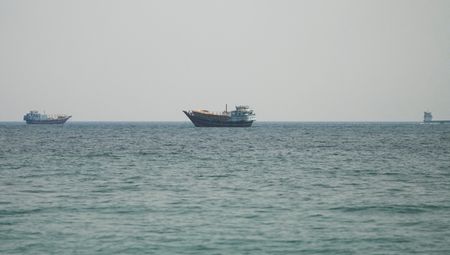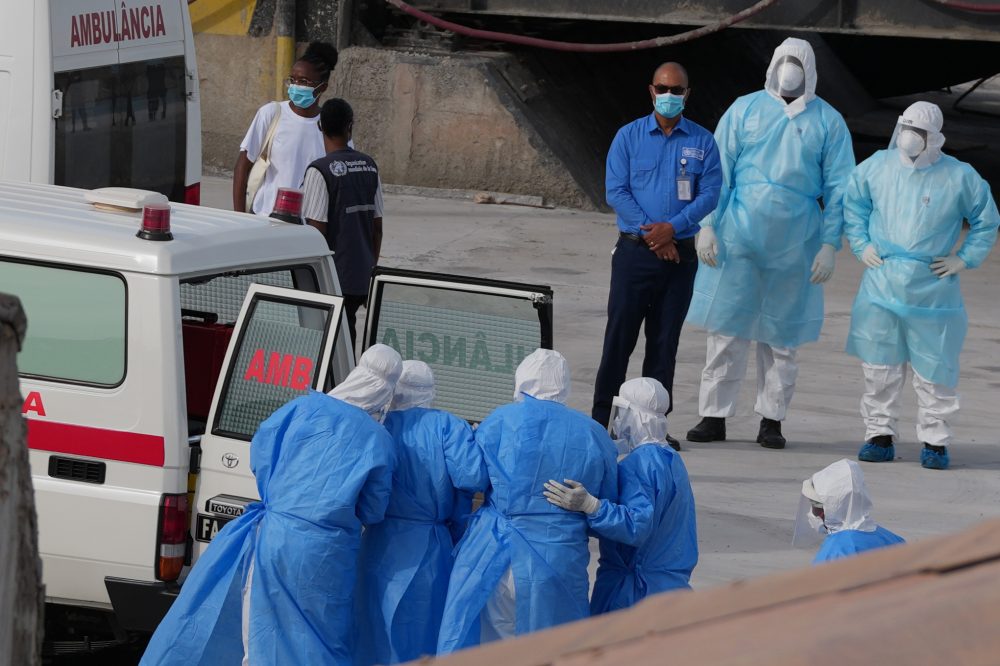

BUENOS AIRES, Argentina — Argentine health authorities are working urgently to trace whether their nation is the origin point of a fatal hantavirus outbreak that has claimed lives aboard an Atlantic cruise vessel.
This health crisis at sea coincides with Argentina experiencing a dramatic spike in hantavirus infections, which local medical researchers link to accelerating climate change impacts. The World Health Organization consistently ranks Argentina as having Latin America’s highest rates of this rare, rodent-transmitted illness, and the Antarctic cruise departed from Argentine shores.
Warming temperatures expand where the virus can spread because changing ecosystems allow hantavirus-carrying rodents to survive in new areas, according to medical experts. Humans typically become infected through contact with rodent waste, urine or saliva.
“Argentina has become more tropical because of climate change, and that has brought disruptions, like dengue and yellow fever, but also new tropical plants that produce seeds for mice to proliferate,” explained Hugo Pizzi, a leading Argentine infectious disease expert. “There is no doubt that as time goes by, the hantavirus is spreading more and more.”
Argentina’s Health Ministry reported Tuesday that 101 people have contracted hantavirus since June 2025, nearly twice the number of infections documented during the same timeframe last year.
The South American strain, known as the Andes virus, triggers a serious and frequently deadly respiratory condition called hantavirus pulmonary syndrome. This illness proved fatal in almost one-third of cases over the past year, according to Argentina’s Health Ministry, significantly higher than the 15% average death rate recorded in the five preceding years.
Officials confirmed that passengers aboard the MV Hondius vessel tested positive for the Andes virus strain.
Argentine investigators are working to determine where infected passengers visited within the country before they boarded the Dutch-registered cruise ship in Ushuaia, a southern Argentine city nicknamed “the end of the world.” After mapping their travel routes, authorities plan to track down contacts, quarantine those at risk and conduct active surveillance to halt additional transmission.
The World Health Organization reports that the initial fatality aboard the ship occurred April 11, when a 70-year-old Dutch passenger died. His 69-year-old wife, also from the Netherlands, passed away April 26. A German woman became the third victim on May 2.
The virus can remain dormant for one to eight weeks, making it difficult to determine whether passengers became infected before departing Argentina for Antarctica on April 1, during a planned stop at a remote South Atlantic island, or while aboard the vessel.
Tierra del Fuego province, where the ship docked for weeks before sailing, has never recorded a hantavirus case. Prior to boarding, the Dutch couple toured Ushuaia and visited other locations in Argentina and Chile, WHO officials said.
Argentine government investigators believe the couple most likely contracted the virus during a bird-watching excursion in Ushuaia, according to two researchers who requested anonymity because they lack authorization to speak publicly while examining incomplete evidence. Officials are also retracing the Dutch tourists’ movements through Patagonia’s forested mountains in southern Argentina, where some infections have been concentrated.
Early symptoms mirror flu-like fever and chills, making diagnosis challenging. “Tourists might think they just have a cold and not take it seriously. That makes it particularly dangerous,” said Raul González Ittig, a genetics professor at the National University of Córdoba and researcher with the state science organization CONICET.
The mountain resort community of Bariloche, Patagonia’s primary northern gateway, documented its first human hantavirus infection of 2026 on Tuesday, announced the Río Negro Province government. The patient was admitted to the hospital Wednesday.
Argentina recently suffered through a devastating drought while also experiencing periods of unusually heavy rainfall, reflecting broader extreme weather patterns that scientists connect to climate change.
This weather volatility has generated conditions allowing hantavirus to spread, experts explain. Drought forces animals from their normal territories as they seek food and water. Heavy rains promote plant growth, dispersing seeds that draw leaf-eating rodents.
“When precipitation increases, food availability increases, rodent populations grow, and if there are infected rodents, the chance of transmission between rodents — and eventually to humans — also increases,” Ittig explained.
While hantavirus infections were once confined to Patagonia’s southern regions, the Health Ministry now reports that 83% of cases occur in Argentina’s northern areas. In January, the ministry issued warnings about multiple deadly hantavirus outbreaks, including in Buenos Aires, the country’s most populated province.
“With the climate changing, the epidemiological picture has completely changed,” Pizzi noted. “The ship may be an isolated case. But this virus isn’t going anywhere.”