
CANTERBURY, England — Two people have died and 20 others have contracted meningitis in an alarming outbreak that has gripped the University of Kent and surrounding areas in southeast England since last Friday.
British Health Secretary Wes Streeting called the situation in Kent County “unprecedented” on Wednesday, citing the rapid emergence of so many cases within just days. The death toll includes one university student and one pupil from a local school in the area.
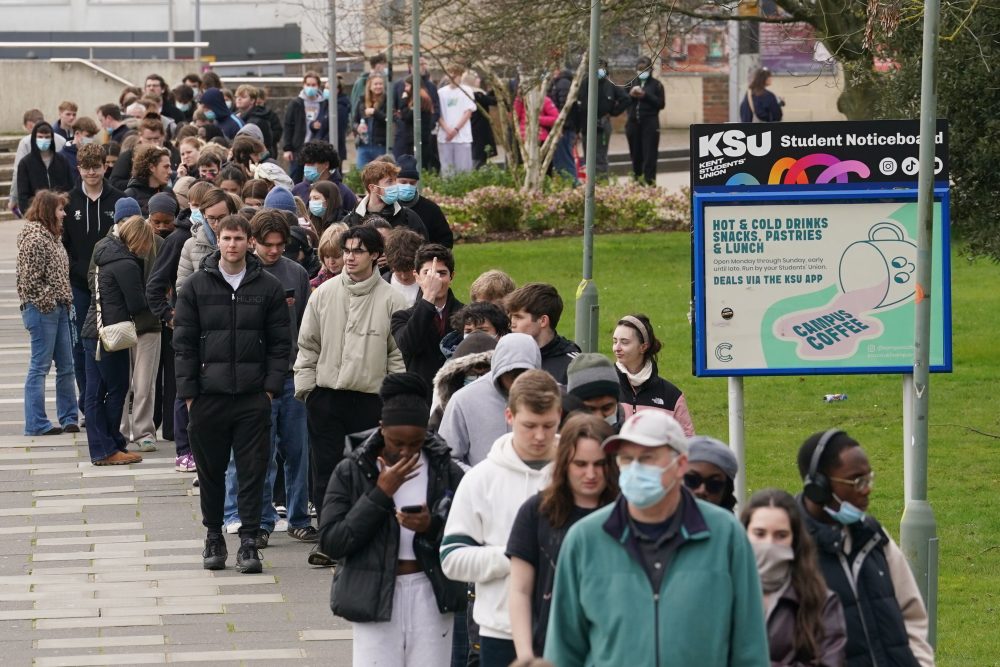
Health authorities reported five additional infections on Tuesday, bringing the total to 20 confirmed cases. Officials are now distributing antibiotics and meningitis B vaccines to thousands of University of Kent students in Canterbury as a precautionary measure.
The disease affects the protective membranes surrounding the brain and spinal cord, caused by viral or bacterial infections. When bacterial meningitis develops, it can trigger a dangerous blood infection known as meningococcal sepsis, often appearing as a distinctive rash. Without immediate medical attention, the condition can prove fatal or result in limb amputations.
Britain typically sees approximately 350 meningitis cases annually, making it relatively uncommon. However, the infection spreads easily in crowded living situations like college dormitories. University students face heightened risk because the bacteria can remain inactive in people’s nasal passages or throats, then transmit through coughing, intimate contact, or sharing beverages.
Medical experts believe many infected individuals attended Club Chemistry in Canterbury between March 5-7. Healthcare providers nationwide have received instructions to provide antibiotics to anyone who visited the nightclub during those specific dates, along with University of Kent students.
“This is so that anyone who has traveled home, or away from Kent, can easily access this important preventative treatment close to them,” officials stated.
The recent COVID-19 pandemic has influenced local residents’ behavior, with many Canterbury area residents returning to mask-wearing and social distancing practices out of caution.
Medical teams have administered over 2,500 antibiotic doses, including treatments for Club Chemistry patrons. The meningitis B vaccination is also available, though most current university students wouldn’t have received it since it only joined Britain’s standard childhood immunization schedule in 2015. Some students may have obtained private vaccinations.
The U.K. Health Security Agency reports adequate vaccine supplies exist, but private pharmacies are experiencing difficulty securing doses for individuals seeking to pay out-of-pocket.
Case numbers may continue climbing since the infection’s incubation period extends up to two weeks. Researchers say it’s premature to determine whether this particular strain shows increased severity compared to others.
Despite student departures from Canterbury, Streeting expressed confidence the outbreak won’t spread nationally. “This is not currently a national incident,” he said.