
CAPE TOWN, South Africa — A deadly hantavirus outbreak has swept through passengers aboard a cruise ship during its weeks-long journey across the Atlantic Ocean, leaving three people dead and several others seriously ill.
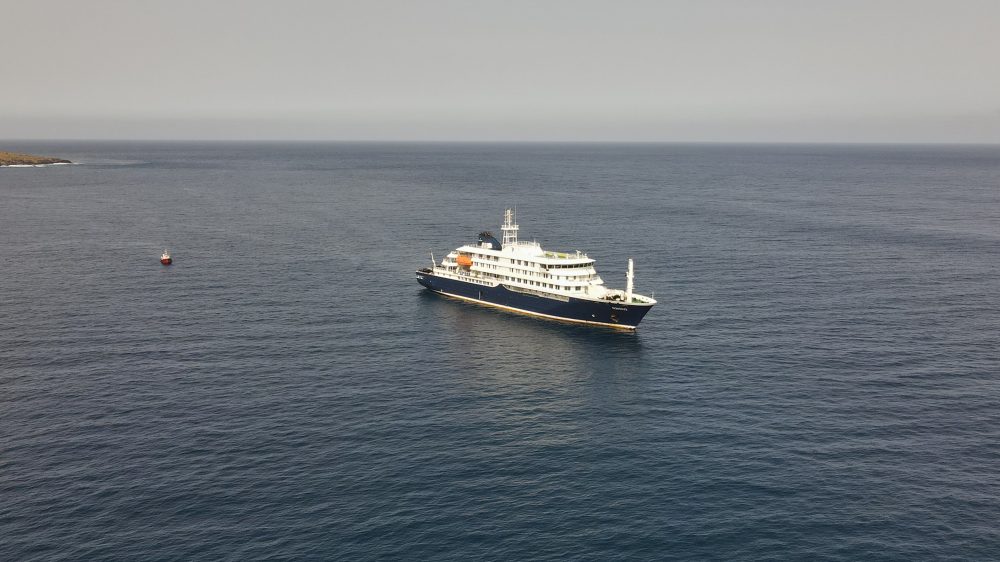
The outbreak has prompted international health authorities to launch an urgent effort to locate passengers who previously left the vessel and anyone who may have come into contact with them. More than 140 passengers and crew remain aboard the Dutch cruise ship MV Hondius as it makes its way toward Spain’s Canary Islands.
Hantavirus spreads through contact with infected rodents, and while person-to-person transmission is extremely uncommon, the World Health Organization maintains that public risk remains minimal since the virus does not easily pass between humans.
The tragic sequence of events began when the vessel departed from Ushuaia in southern Argentina, with planned destinations including Antarctica and remote islands in the South Atlantic.
A 70-year-old Dutch passenger developed illness symptoms including fever, headache and mild diarrhea while aboard the ship. Prior to boarding, he and his Dutch wife had been touring Ushuaia and other locations throughout Argentina and Chile, according to WHO reports.
The Dutch man’s condition deteriorated as he experienced breathing difficulties, ultimately dying aboard the vessel. At that time, cruise officials could not determine what caused his death.
When the ship docked at Tristan da Cunha, a remote British territory in the South Atlantic, six new passengers boarded while the deceased man’s body remained on the vessel.
The body was removed when the ship reached St. Helena island, also part of the British territory. His wife departed the ship along with more than two dozen other passengers.
The Dutch woman, who had begun showing signs of illness, boarded a commercial flight from St. Helena to South Africa. That aircraft carried 88 passengers and crew members, though it remains unclear how many other cruise passengers were on that same flight.
The woman collapsed at a South African airport while attempting to board another flight home and subsequently died.
Meanwhile, after the ship left St. Helena, a third passenger — a British man — became ill and was evacuated to Ascension Island. He was later transferred to a South African hospital and placed in intensive care, suffering from high fever, breathing problems and pneumonia symptoms that can result from hantavirus infection.
As the vessel continued toward Cape Verde off Africa’s western coast, a German woman passenger also fell sick.
Nearly one month after the initial case, the German woman died aboard the ship, becoming the third fatality.
On that same day, South African health officials received confirmation that the British man in intensive care had tested positive for hantavirus — marking the first confirmed identification of the virus in this outbreak.
The World Health Organization announced it was responding to a suspected hantavirus outbreak on the cruise ship, which had by then reached Cape Verde waters.
South African health authorities later received posthumous test results confirming hantavirus in the Dutch woman who died at the airport. Officials decided to test her remains after the British man’s positive result.
WHO officially classified the situation as an outbreak at that point.
A tense standoff developed between the cruise ship and Cape Verde authorities over whether additional sick passengers could be evacuated and others allowed to disembark. While Cape Verde sent medical personnel to assist the vessel, officials refused to allow anyone off the ship. Two crew members, including the ship’s doctor, were seriously ill, and another person was under medical observation.
Those three individuals, two of whom tested positive for hantavirus, were eventually evacuated and flown to specialized European hospitals. The ship then departed for Spain’s Canary Islands after Spanish authorities agreed to accept the vessel.
Swiss authorities announced another positive hantavirus case involving a man who had left the cruise at St. Helena, bringing the total confirmed cases to five.
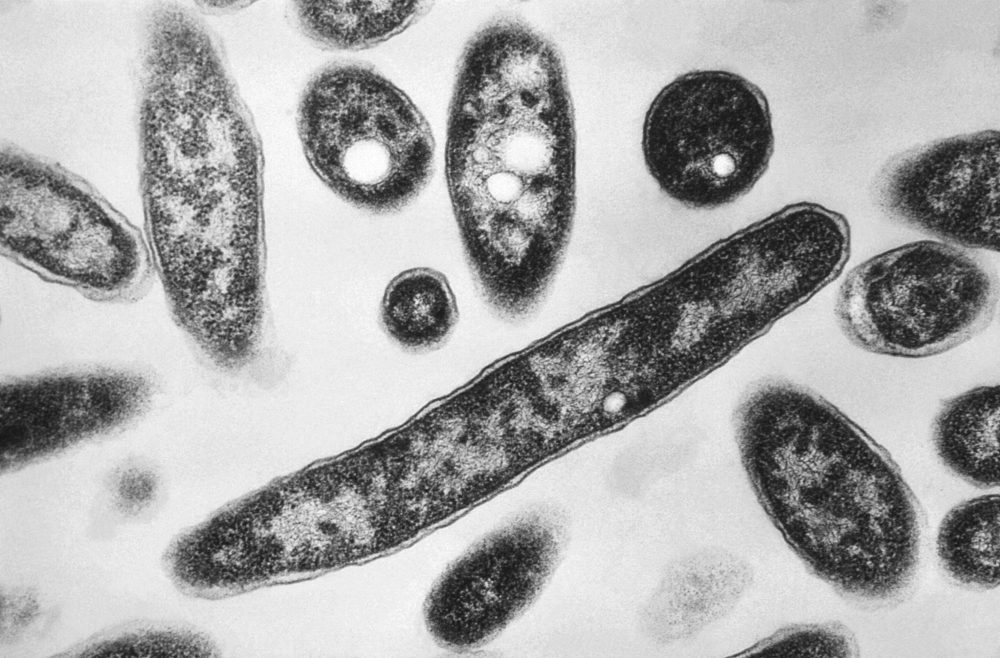
Health officials in South Africa and Switzerland identified the strain as Andes virus, the only known hantavirus that spreads between humans. This particular virus is typically found in South America, especially Argentina and Chile.
Health agencies across Switzerland, Britain, Netherlands, France, Singapore, South Africa and other nations are now isolating individuals who previously departed the cruise and returned home. They are also working to identify anyone who may have had contact with cruise ship passengers.