
HAVANA – A physician with over two decades of medical experience in Cuba must rise before dawn to cook and sell rice and beans just to make ends meet, as his government salary of roughly $16 monthly cannot cover basic transportation costs.
The island nation’s medical system, previously celebrated as one of the Communist revolution’s greatest accomplishments since 1959, has experienced a dramatic deterioration in recent years due to economic collapse and stringent U.S. economic sanctions.
The situation has worsened significantly following this year’s oil embargo implemented by the United States.
According to Cuba’s Public Health Ministry, nearly 96,000 citizens in the nation of 10 million are awaiting surgical procedures, with 11,000 of those patients being children. Officials project this backlog could reach 160,000 by December. Weekly, more than 300 pediatric surgeries face delays due to insufficient medications, oxygen, anesthesia, and other essential supplies. Additionally, approximately 32,000 expectant mothers may not receive the recommended three ultrasound screenings during pregnancy.
These figures don’t reflect the personal toll on healthcare workers who battle power outages and water shutoffs at home, then arrive at work to confront medication shortages, unsanitary facilities, and the devastating reality of being unable to deliver the quality care they once provided.
The physician, who requested anonymity due to fear of government retaliation, described the overwhelming burden of having to ration patient care, bringing back painful memories from the worst period of the COVID-19 outbreak.
“Public healthcare has always been promised here. Free. A world-class system,” the doctor said. “I don’t know how much longer we can endure this. There are fewer and fewer doctors, fewer resources for the patient, but the patients keep coming.”
FINANCIAL STRUGGLES
Although Cuba’s economic problems stem partly from internal issues, American sanctions have further weakened the country’s medical professionals, traditionally known with affection as the “Army of White Coats.”
Healthcare workers in the government-operated system report that their peers are experiencing burnout, emigrating, or abandoning their monthly earnings of 7,000 to 8,000 pesos — equivalent to $14 to $16 at unofficial exchange rates — to pursue work in private enterprises, restaurants, or domestic services.
These wages provide minimal purchasing power. Basic groceries cost 3,000 pesos for 30 eggs, 1,500 pesos for one liter of cooking oil, and 700 pesos for a kilogram of rice.
Reuters spoke with two additional physicians who requested anonymity but shared comparable accounts of desperation. During government-supervised visits, the news agency also interviewed three other doctors, four nursing staff members, and a senior health ministry representative, all of whom described professional hardships, though in somewhat less severe terms.
The anonymous physicians report critical supply shortages, requiring staff to bring cleaning products from their homes or sanitize floors using only water. Disposable gloves, previously washed and reused multiple times, are now completely unavailable. Without proper urine collection bags, medical staff have improvised using water or soft drink bottles, according to one doctor.
This situation has coincided with rising cases of hepatitis and diarrhea, two physicians reported.
While Reuters could not confirm any connection, a senior health ministry official acknowledged increased infection rates due to antibiotic shortages.
Fuel scarcity and resulting electrical outages prevent water pumps from operating, forcing some primary care facilities to suspend operations.
“They don’t officially close. They can’t say that publicly. But they’re not holding consultations because there’s no water,” the second doctor said.
During power failures, before backup generators activate, hospital nurses in neonatal units must manually operate ventilators for infants, a nurse reported to Drop Site news.
ONCOLOGY TREATMENT COMPROMISED
Cuban health authorities acknowledge their system faces significant pressure but maintain that their medical professionals possess the resilience to continue.
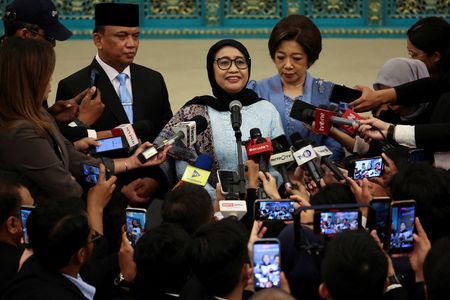
“The Army of White Coats will not fail the people of Cuba, despite the difficult circumstances we face today,” Tania Margarita Cruz, the vice minister for public health, told a press conference last week.
However, she acknowledged that the energy crisis has led to reduced patient consultations, fewer hospital admissions, and diminished basic supply availability.
The country currently treats 117,000 cancer patients, with 16,000 requiring radiation treatment, 12,000 needing chemotherapy, and 400 awaiting surgery, Cruz reported.
“How difficult it is for a Cuban family with a cancer patient, especially a child with cancer,” Cruz said. “We don’t have the necessary medications for the world-class protocol that has always been applied in this country.”
Cruz declined to provide mortality statistics related to U.S. sanctions effects, as did other health officials.
She did, however, acknowledge a “decrease in the average and overall survival rates of Cuban patients and Cuban children” with cancer. Cruz also noted that antibiotic shortages can “lead to the patient’s death.”
EMOTIONAL TOLL ON MEDICAL STAFF
When questioned about physician burnout, Cruz referenced a recent salary increase and described a ministry program designed to improve morale through better working conditions, professional development opportunities, and research initiatives.
Last year, the government raised overnight compensation to 100 pesos per hour, totaling $2.40 for a 12-hour shift. Performance bonuses in certain specialties amounted to 20 pesos, or 4 cents hourly.
Despite official optimism, frontline medical workers question their capacity to endure additional hardship.
All three physicians who spoke anonymously to Reuters described themselves as longtime government supporters whose patience has begun to diminish.
“We all fear speaking out,” one of the doctors said, adding that raising objections can derail careers.
“I’ve seen doctors cry,” she said. “With this crisis, they cry. They’ve stopped working, they’ve become depressed. You can see it on their faces.”