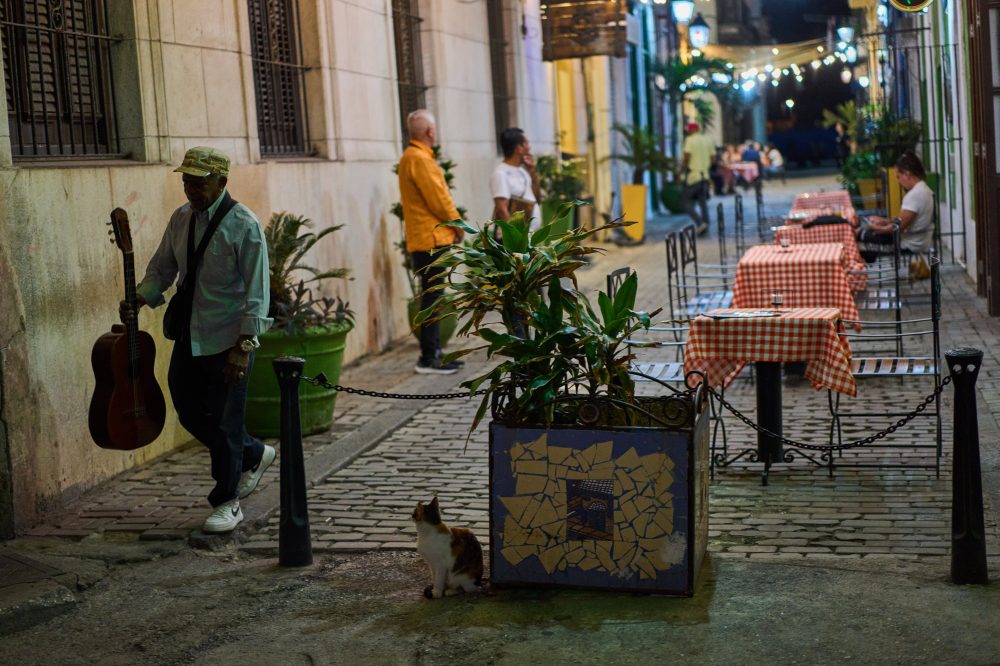

HAVANA — The bustling streets of Cuba’s capital city fall silent after dark these days. Entertainment venues have shuttered their doors, restaurants have drawn their curtains, and the vibrant nighttime economy that once defined Havana has virtually vanished.
Cuba is experiencing its worst economic downturn in generations, worsened by fuel embargos implemented during President Donald Trump’s second term and the severing of oil supplies from Venezuela, the island nation’s former primary energy source.
“I feel empty inside when I see my streets empty,” said Yusleydi Blanco, a 41-year-old accountant. “I can’t be happy when my country is sad.”
The transformation represents a dramatic reversal from just a few years ago. After Presidents Barack Obama and Raúl Castro reached an agreement in 2016 to relax American travel restrictions to Cuba, tourist dollars poured onto the island. Private entrepreneurs launched new businesses while modern imported cars began sharing roads with vintage 1950s automobiles.
Tourist arrivals peaked at 4.7 million visitors in 2018. Hotels became so overcrowded that some travelers without reservations were spotted camping in parks in Viñales, a western Cuban destination known for its dramatic limestone formations that attract hikers and climbers.
The current reality paints a starkly different picture. Vehicle owners face fuel rationing of just 20 liters (5 gallons) and may wait months between fill-ups. Public transportation shuts down at 6 p.m., and major international carriers like Air France, Air Canada and Iberia have suspended Havana flights due to refueling difficulties. In the upscale El Vedado district, automobile noise has been replaced by the sounds of singing birds.
February tourism numbers plummeted to 77,600 visitors, compared to 178,000 during the same period the previous year, according to Cuban government statistics.
“This is worse than the Special Period,” said 65-year-old parking attendant Dolores de la Caridad Méndez about the years of economic devastation that followed the collapse of the Soviet Union, Cuba’s Cold War patron, in the 1990s.
Unlike his Democratic predecessors, President Trump has intensified economic pressure on Cuba, calling for an end to political oppression, the release of detained dissidents, and market reforms to Cuba’s struggling economy.
The escalating crisis has brought rolling power outages, reductions in government food distributions, and critical shortages of water and medical supplies that have made everyday survival a challenge for the island’s 10 million residents. From 2021 through 2024, roughly 1.4 million Cubans departed their homeland — predominantly younger citizens along with talented musicians, performers, dancers and other artists who had powered Havana’s entertainment industry.
This past January, U.S. forces apprehended Venezuela’s then-President Nicolás Maduro, cutting off Cuba’s main petroleum lifeline. The Trump administration blocked that supply route and warned of potential tariffs against other nations selling oil to Cuba, leaving the island without fuel deliveries until a Russian vessel arrived in March.
Business owners and entrepreneurs throughout Cuba now face enormous challenges as visitor numbers collapse and their dreams of serving affordable products to local customers crash against harsh economic realities.
“You wake up and you’re ready to conquer the world, saying, ‘Today I’ll sell more than ever,’” said Yeni Pérez, owner of the Old Havana cafe Entre Nos. “Then not a single client comes in and you go home devastated.”
“The next day,” she said, “You say, ‘Let’s give it another chance.’ It’s a time that’s testing everyone’s stamina.”