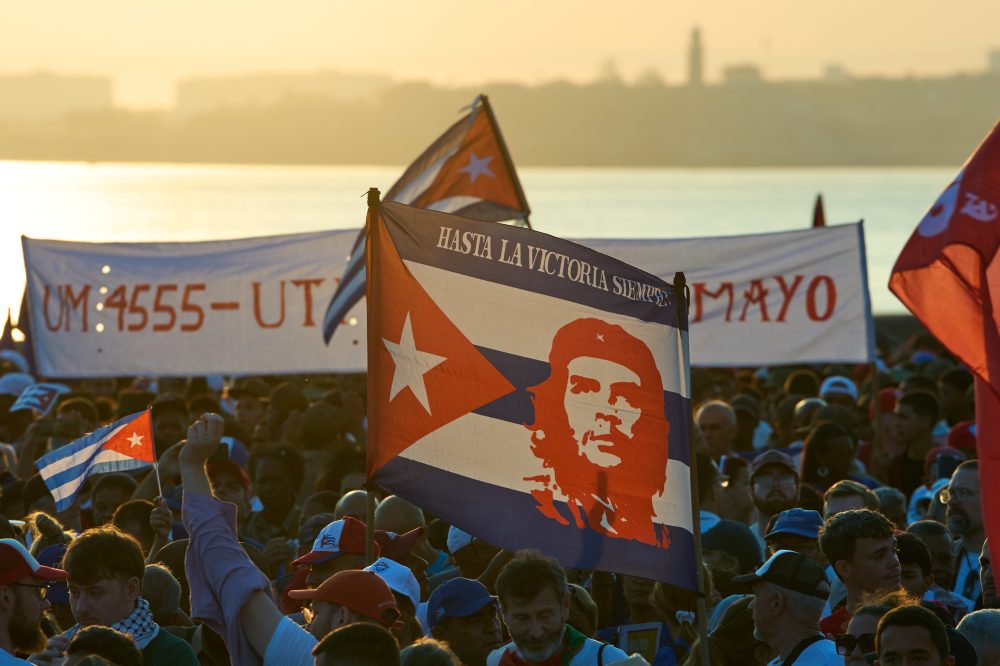

Thousands of Cuban workers gathered along Havana’s iconic waterfront Friday to honor their colleagues, particularly those struggling to maintain power across the socialist nation.
Workers from Cuba’s Electric Union are operating in continuous shifts as the country’s electrical infrastructure deteriorates, causing widespread blackouts compounded by fuel shortages linked to U.S. energy sanctions.
“We are living through difficult times,” stated Yunier Meriño Reyes, an Electric Union accountant who participated in Friday’s demonstration supporting his coworkers. “We are carrying out a very tough, arduous and relentless effort — day and night — to provide electricity to the people who need it.”
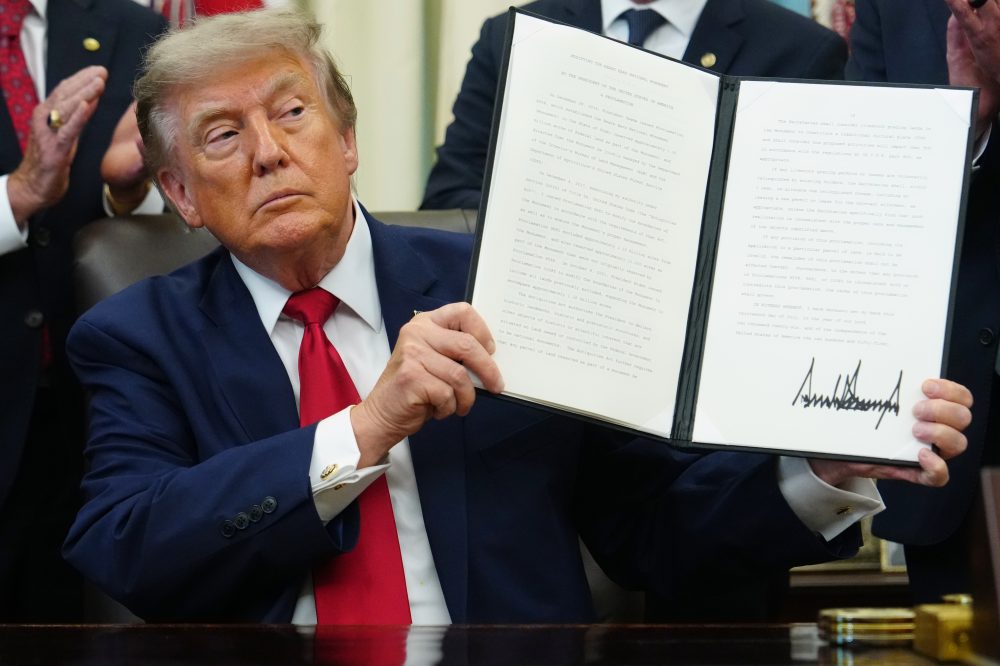
Cuba’s energy emergency intensified following U.S. actions against Venezuela in early January, which stopped vital petroleum deliveries from the South American nation. Subsequently, President Donald Trump issued threats of tariffs against any nation selling or delivering oil to Cuba.
Consequently, the island endured more than three months without any oil deliveries until a Russian vessel carrying 730,000 barrels reached Cuban ports in late March.
Prior to that arrival, Cuba depended entirely on natural gas, minimal solar energy, and deteriorating thermal power facilities.
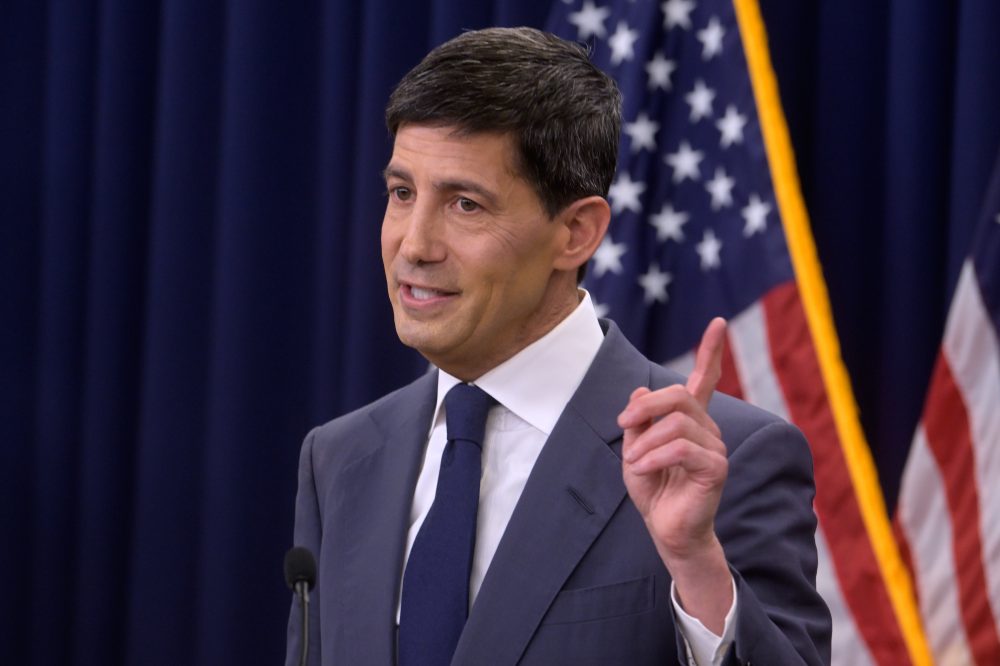
“It was brutal,” Vicente de la O Levy, Cuba’s energy and mines minister, recently informed journalists.
Following the Russian oil’s arrival, refining was necessary, requiring approximately two weeks to complete.
“We have been working eight hours a day without stopping,” explained Rafael Martínez, a worker at Cuba’s Petroleum Union refinery.
He described his excitement upon learning the Russian vessel had arrived.
“Our job is to push ahead, that’s all you can do,” he commented while colleagues celebrated around him Friday, making music with cowbells and drums during their observance.
Cuba’s Petroleum Union released a recent video featuring its employees, including driver José Antonio Báez.
“Our work generates the entire economy of the country. We drive the country’s economy,” he stated.
Pedro Luis López Manzano, an engineer and maintenance director at the Cienfuegos refinery, explained in the video that teams implemented multiple measures to ensure functionality after the facility remained closed for four months.
“It’s a challenge, but we always thought it was possible,” he commented.
Additionally, Gustavo Rodríguez Cordero, an engineer and general director at Cuba’s Petroleum Union in Villa Clara, condemned the U.S. energy sanctions in a company video.
“No one has the international right to oppress a people in this manner,” he declared.
Following the oil refining process, de la O Levy explained the government decided to focus on essential sectors including farming and food manufacturing.
“This enabled the irrigation of tobacco, corn and soybeans,” he noted. “There were more hours of power outages than anticipated because we diverted a portion of the energy supply toward production; we could not allow factories to remain idle.”
He reported that some petroleum was processed into roughly 6,000 tons of diesel and fuel oil used for hospitals, generators, and transportation.
De la O Levy indicated Cuba’s circumstances started improving April 17: “not the desired one, but significant.”
He noted the government allocated 800 tons of fuel daily from the required 1,600 tons.
“If we used 1,600 tons, there would be fewer blackouts, but the (fuel) would last half as long,” he explained.
De la O Levy cautioned that Russian oil supplies were projected to end by April’s conclusion, emphasizing the priority of maintaining the island’s thermal power plants using domestic crude oil.
“Without this fuel, we would face a total, systemwide blackout,” he warned.
Cuba generates 40% of its necessary fuel and relies significantly on foreign supplies.
As the island’s difficulties continue, Katiusca Carreño, 53, who operates at the Electric Union’s command center, expressed her dedication to serving Cuba’s citizens.
“Resources aren’t reaching us, but all of us workers are still here,” she said following Friday’s demonstration. “It’s hard, but not impossible. We work 24 hours a day.”