
HAVANA — Cuba’s government has given the green light to its most sweeping market-oriented economic reforms in decades, but residents of the capital city are greeting the news with a complicated blend of hope, doubt, and sheer exhaustion.
Lawmakers approved a package of 176 measures following the Communist Party’s endorsement of the plan earlier in the week. The reforms include expanding opportunities for private enterprise, drawing in more foreign investment, allowing private involvement in banking, and opening certain state-owned companies to private shareholders. Government officials have emphasized that the changes are designed to preserve socialism — not dismantle it.
For many Cubans, the announcement signals something larger: that one of the world’s few remaining Soviet-style economies may be gradually shifting toward a model more like China or Vietnam, as a worsening crisis continues to take a toll on everyday life.
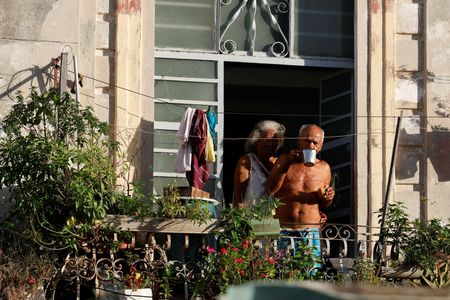
But on the streets of Havana, the mood was far from celebratory.
Olian Valdes, a 50-year-old resident, said he didn’t even hear about the announcement until hours after it was made — because power outages had left his home without electricity. “First, let’s see whether these measures are actually implemented,” he said. He added, “I don’t think it will make much difference for ordinary Cubans because they have nothing to invest. The gap between salaries and prices will remain the same.”
Cuba has been grappling with chronic shortages of food, fuel, and medicine for years. Conditions have deteriorated sharply in 2026 as fuel supplies have tightened and widespread blackouts have become increasingly common.
Not everyone was dismissive of the changes. Omara Oliva, 53, acknowledged that the current system has reached a breaking point. “We’re at a point where the current system simply isn’t working,” she said. “If new measures — even capitalist ones — help people eat better and improve their lives, then they are welcome.”
Despite the scale of the announcement, authorities have offered little clarity on how quickly the measures will go into effect, how they will be regulated, or who stands to benefit first. That lack of detail is particularly unsettling in a country where inflation has gutted wages and many households depend on money sent from abroad or income earned through the informal economy.
Leonardo Benitez, 61, summed up the cautious sentiment shared by many. “For now, we have to wait and see,” he said, noting that the reforms would only matter if they were applied fairly.