
UNITED NATIONS — Cuba’s top diplomat at the United Nations declared Thursday that his nation refuses to bow to American pressure regarding the release of political detainees, while warning that Cuban leadership is readying itself for potential U.S. military intervention threatened by President Donald Trump.
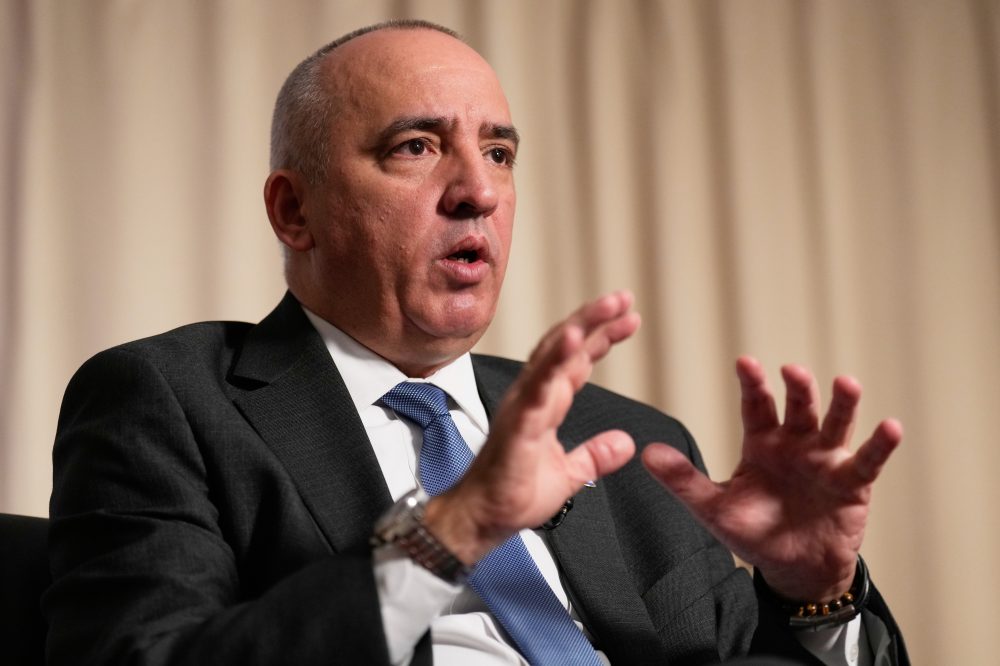
Speaking with The Associated Press, Cuban UN Ambassador Ernesto Soberón Guzmán emphasized that matters involving imprisoned dissidents “are not on the negotiating table.” The freedom of political detainees had emerged as a central American requirement during recent diplomatic discussions held in Cuba — the first such meetings between the two nations in ten years.
“We have our legal system, like here in the U.S., they have their legal system,” he stated. “So we have to respect both of our internal affairs.”
A U.S. diplomatic team conducted confidential discussions in Havana beginning April 10, attempting to pressure Cuba into implementing significant economic and governmental reforms or face ongoing economic sanctions and possible American military escalation. While neither nation has revealed the participants’ identities, Guzmán disclosed the American side included undersecretary of state-level officials, while Cuba sent deputy foreign minister-level representatives.
Relations between Washington and Havana have deteriorated significantly in recent months, particularly due to American energy sanctions that have worsened Cuba’s existing economic difficulties and other challenges facing the Caribbean island.
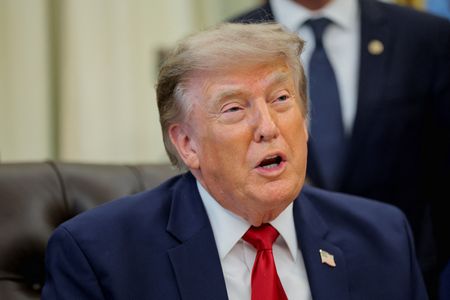
Trump has warned of imposing tariffs on nations that provide petroleum to Cuba and suggested America might have “the honor of taking Cuba” after potential military actions in Venezuela and Iran. The State Department has not yet responded to requests for comment regarding Guzmán’s statements.
The energy restrictions, combined with the island’s critical water and electricity shortages, have intensified poverty and food insecurity throughout Cuba as extended power outages continue.
In late March, a Russian vessel delivered 730,000 barrels of fuel — Cuba’s first such shipment in three months. According to Guzmán, this delivery satisfied only a small portion of the country’s operational energy requirements.
Additional American concerns raised during this month’s meetings focused on foreign nations’ influence over the island, according to previous AP reporting. U.S. officials also presented proposals for compensating hundreds of thousands of legal claims filed by Cuban Americans whose properties, enterprises, and land were confiscated following Fidel Castro’s rise to power in 1959.
Guzmán acknowledged that such compensation discussions occurred during the meetings and that Havana shows willingness to consider them. However, he emphasized this could only proceed alongside corresponding economic relief from the longstanding U.S. trade embargo against Cuba.
“There is not only this claim but also the claim from our side because the embargo has an economic impact,” he explained. “This is a highway with two directions.”
When questioned about Cuban officials’ confidence in diplomatic solutions given American threats, Guzmán expressed cautious optimism about establishing a “new approach” to bilateral relations, while noting that the Trump administration’s recent foreign policy actions have heightened their vigilance.
“We have been seeing what is happening all around the world, in our region, in the Middle East, so we are not a naive person,” he said. “We are preparing for all the scenarios. And I insist, our first option — what we really want — is a successful dialogue with the U.S. government.”
However, he added that should American military aggression occur, “we are ready to fight back.”