
HAVANA, Cuba – Motorists across Cuba are discovering they may need to wait months before they can fill up their vehicles, as the island nation grapples with severe fuel shortages attributed to U.S. economic sanctions targeting oil imports.
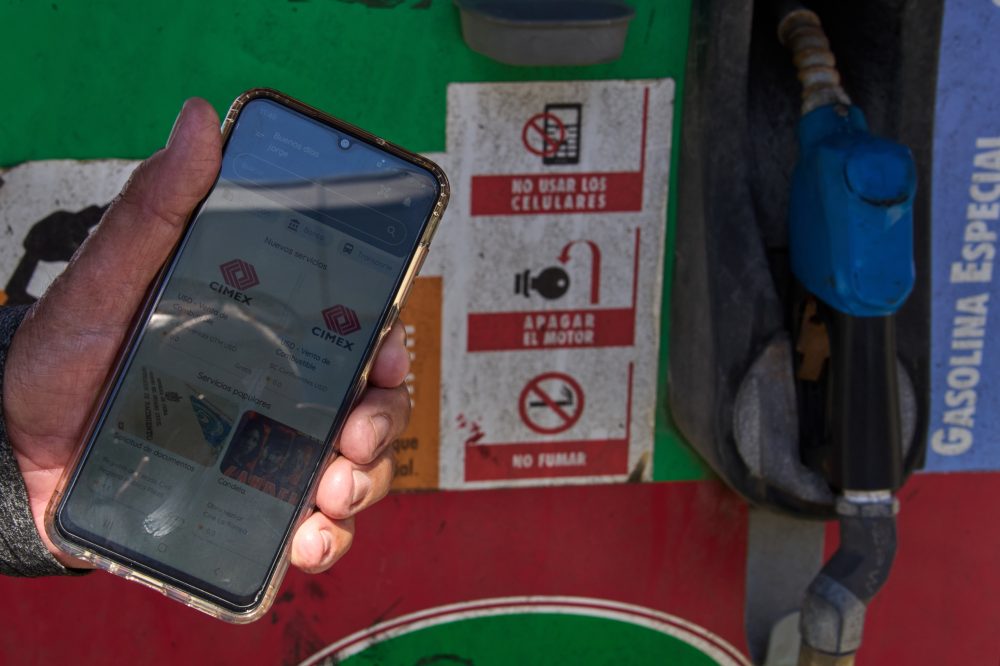
Cuban authorities implemented a mandatory smartphone application called Ticket last week, requiring all drivers to schedule refueling appointments through the digital platform to prevent disorder at service stations.
However, Havana residents who spoke with reporters on Monday revealed the app is scheduling appointments weeks or even months in advance due to overwhelming demand.
Jorge Reyes, a 65-year-old resident who registered for the app Monday, expressed frustration with his assigned queue position. “I have (appointment) number seven thousand and something,” Reyes explained.
The gas station where Reyes registered only processes 50 appointments daily, leaving him wondering, “When will I be able to buy gas again?”
The application restricts users to booking appointments at a single station at once, prompting drivers to share intelligence through WhatsApp messaging groups about which locations might have shorter waits or higher daily capacity, with some stations handling up to 90 appointments per day.
These efforts provide minimal relief for drivers discovering thousands of appointments ahead of theirs in the digital queue.
Cuba’s government has simultaneously eliminated subsidized gasoline sales in local currency at approximately 25 cents per liter, now exclusively offering higher-priced fuel denominated in U.S. dollars.
Current gasoline prices reach $1.30 per liter at official stations, while black market rates can climb to $6 per liter. Cuban government employees typically earn under $20 monthly when their peso salaries are converted to dollars at current exchange rates.
When drivers finally secure refueling opportunities, they face a 20-liter purchase limit, equivalent to roughly 5.2 gallons.
Businessman Ariel Alonso, who managed to refuel Monday at El Riviera station, highlighted the inadequacy of this restriction. “This will not last me long,” Alonso stated.
“I have to leave a reserve of five liters in case anyone gets sick at home,” he added, referring to potential emergency hospital trips.
The Ticket platform operates under XETID, a government-controlled software company. Commercial director Saumel Tejada informed Cuba Debate news outlet last week that over 90,000 drivers had requested refueling appointments through the application.
While Ticket has existed for three years, previously helping Cubans schedule notary visits and access subsidized fuel, it has now become virtually the sole legitimate method for vehicle refueling outside black market channels.
Tourism industry vehicles represent the primary exception to these restrictions. Cars bearing special tourism license plates can access 44 designated service stations island-wide, though lengthy queues have formed at these locations. Tourism vehicles face the same 20-liter purchase limits as regular cars.
Energy shortages and electrical blackouts have escalated across Cuba this month as the nation struggles to secure oil imports for power generation facilities and refineries.
President Donald Trump issued threats in late January targeting any countries selling oil to Cuba with potential tariffs, as Washington intensifies pressure on the island’s communist leadership to implement economic and political changes.
Cuban President Miguel Díaz-Canel has indicated willingness to engage in negotiations with the United States “as equals” while maintaining national sovereignty. Díaz-Canel has characterized U.S. actions as an “energy blockade.”
Venezuela, historically a major Cuban oil supplier, ceased crude shipments to the island in January following U.S. forces’ capture of former president Nicolás Maduro during a pre-dawn operation and his subsequent transport to New York to face drug trafficking charges.
Mexico similarly terminated oil deliveries to Cuba in January after Trump announced the tariff threats.
Financial institutions throughout Cuba have shortened operating hours to conserve electricity, while the government announced earlier this month it would discontinue aircraft refueling services for planes landing on the island. This decision prompted three Canadian airlines to suspend Cuban routes, though other carriers continue service by making fuel stops in the Dominican Republic.
Officials have postponed both an annual book fair and the traditional cigar industry trade show as part of broader efforts to reduce fuel and electricity consumption.
A coalition of United Nations human rights specialists criticized the U.S. oil embargo last week, declaring it “has no basis on collective security and constitutes a unilateral act that is incompatible with international law.”