
Crude oil prices experienced a dramatic surge of 10% to approximately $80 per barrel in weekend trading as escalating Middle East tensions threaten global energy supplies, according to oil market traders.
The price spike comes after military strikes involving the United States, Israel, and Iran have created new instability in the region, with market experts warning that oil could reach $100 per barrel if shipping disruptions continue.
Ajay Parmar, who serves as director of energy and refining at ICIS, explained the primary concern driving the market volatility. “While the military attacks are themselves supportive for oil prices, the key factor here is the closing of the Strait of Hormuz,” Parmar stated.
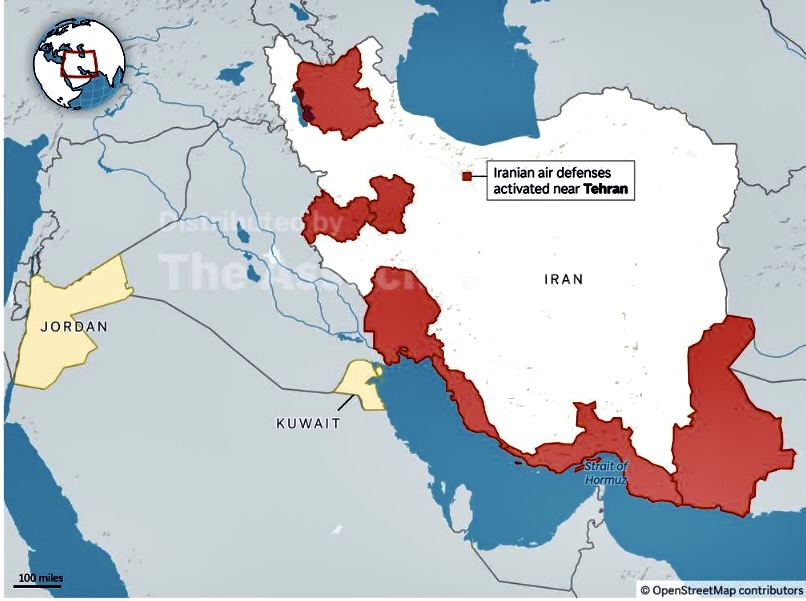
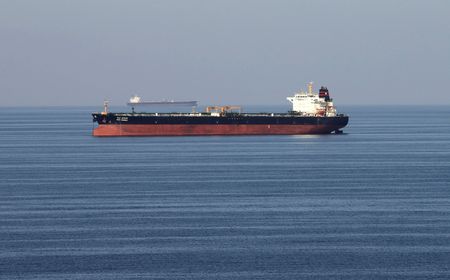
The strategic waterway has become a major bottleneck as shipping companies halt operations. Major oil companies, tanker operators, and commodity traders have stopped moving crude oil, fuel, and liquefied natural gas through the Strait of Hormuz following Tehran’s warnings to vessels about using the passage. This critical shipping lane handles more than one-fifth of the world’s oil transportation.
Parmar warned of further price increases when markets reopen. “We expect prices to open (after the weekend) much closer to $100 a barrel and perhaps exceed that level if we see a prolonged outage of the Strait,” he said.
RBC analyst Helima Croft reported that Middle Eastern leaders have cautioned Washington that military action against Iran could drive oil prices beyond $100 per barrel. Financial analysts at Barclays have issued similar predictions about potential price levels.
Meanwhile, the OPEC+ alliance of oil-producing nations announced a modest production increase of 206,000 barrels per day starting in April, though this represents less than 0.2% of worldwide oil demand.
Jorge Leon, an energy economist with Rystad, outlined the potential supply impact even with alternative routes. While some backup infrastructure could help circumvent the Strait of Hormuz, including pipelines through Saudi Arabia and Abu Dhabi, closing the waterway would still eliminate 8 million to 10 million barrels per day from global crude oil supplies.
Rystad’s analysis projects oil prices will increase by $20 to reach approximately $92 per barrel when trading resumes.
The developing crisis has prompted governments and oil refiners across Asia to evaluate their petroleum reserves and explore backup shipping routes and supply sources.