
A New York court has thrown out a lawsuit filed by the animal rights organization PETA challenging breeding standards for several popular dog breeds, ruling that the group incorrectly applied state law in their case against the American Kennel Club.
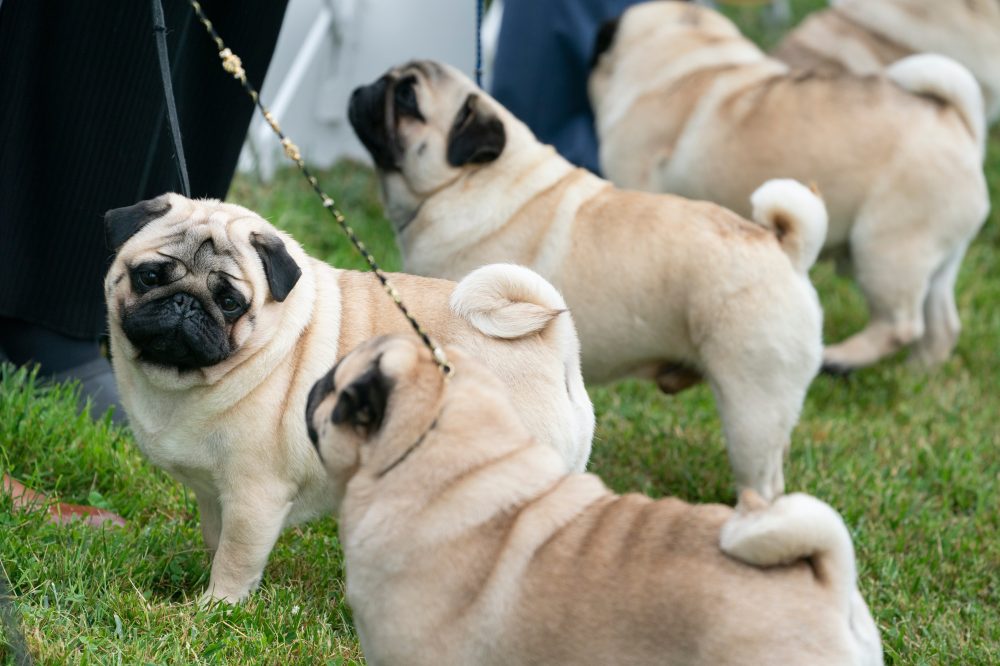
The legal action, initiated last year, represented a fresh approach in PETA’s ongoing battle with dog breeding practices. The organization targeted the AKC’s breeding guidelines for French bulldogs, bulldogs, Chinese shar-peis, dachshunds, and pugs, claiming these standards promote unhealthy characteristics. French bulldogs currently rank as America’s most popular breed according to AKC data. The kennel club, which serves as the country’s oldest purebred dog registry, disputed these allegations and emphasized its commitment to canine wellness.
On Tuesday, PETA announced that its legal team is reviewing potential next steps following the dismissal.
“Money-grubbing dog merchants flood the market with deformed dogs bred at the AKC’s direction,” stated PETA founder Ingrid Newkirk. She encouraged pet seekers to consider shelter adoption rather than purchasing purebred animals, saying “No dog should be custom-made for a look that causes pain.”
The AKC has not yet responded to requests for comment.
The lawsuit relied on a New York statute typically employed to challenge government agency decisions, though it has occasionally been used against private entities. However, Judge David B. Cohen noted in Monday’s ruling that previous cases involving private organizations concerned groups with direct authority over the plaintiffs, such as union leadership disputes or condominium board conflicts.
Because PETA operates independently of the kennel club’s oversight, Cohen determined the case “must be dismissed,” declining to address the underlying health concerns that formed the basis of the complaint.
The lawsuit highlighted medical conditions often linked to flat facial features found in bulldogs, pugs, and French bulldogs, as well as issues related to the elongated bodies and shortened legs characteristic of dachshunds. Chinese shar-peis face risks of recurring fever and inflammation called “shar-pei autoinflammatory disease.”
While these health issues don’t affect every dog, they can create significant medical challenges.
The AKC maintains that its breed guidelines, developed by enthusiasts and vetted by the organization, represent “decades of collaboration with veterinary experts and breeders.” The club reports contributing more than $40 million to canine health research initiatives since 1995.