
WASHINGTON — Three weeks into America’s military conflict with Iran, congressional lawmakers have yet to hold public hearings examining the Trump administration’s justification for the war.
GOP members of Congress have avoided public discussions about the military action, while Senate Democrats exhaust every available mechanism to demand testimony from administration officials. Growing impatient with Republican resistance, Democrats plan to force multiple votes this week on war-related measures, hoping to disrupt the Senate’s schedule enough to compel GOP action.
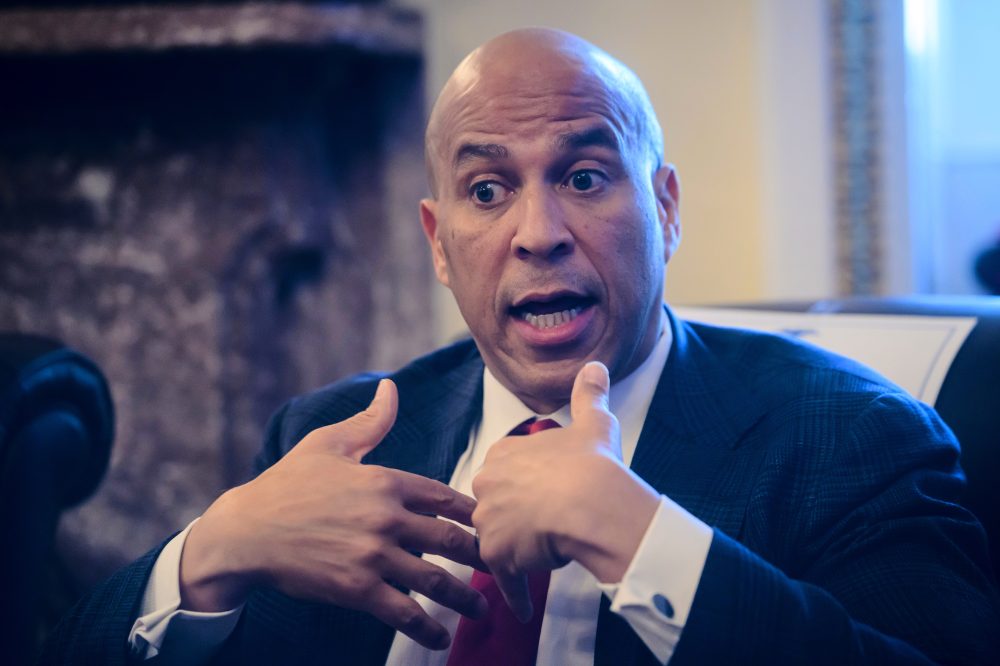
“We’ve had no oversight whatsoever over what the executive is doing as we’re spending a billion dollars a day, and we have failed to have any real substantive debate or discussion,” said Sen. Cory Booker, D-N.J.
The congressional role in war oversight carries significant implications, as legislators possess authority to influence the conflict’s direction amid mounting costs and casualties. The war has claimed 13 service members’ lives and consumed billions in taxpayer funds, yet President Donald Trump has not requested congressional authorization for the Iranian strikes.
On the conflict’s 17th day Monday, GOP legislators continued opposing immediate public congressional testimony.
Senate Majority Leader John Thune informed reporters last week that he anticipated no dedicated Iran war hearings, though acknowledged the topic would surface during routine military policy and spending testimony.
“They have briefed us,” Thune, R-S.D., said, referencing classified Trump administration briefings. These closed-door sessions typically see lawmakers refusing to reveal discussion details beyond general subjects.
Thune also highlighted regular press briefings by Defense Secretary Pete Hegseth and Gen. Dan Caine, chairman of the Joint Chiefs of Staff. They are “answering the hard questions that are being asked,” Thune said.
Republican committee chairs overseeing national security matters have similarly indicated no immediate war-specific hearing plans, though some acknowledged the importance of legislative questioning.
Sen. Roger Wicker, who leads the Senate Armed Services Committee, contended that standard Capitol Hill hearings would offer sufficient questioning opportunities.
“We’re going to conduct generous oversight, thorough oversight,” said Wicker, R-Miss.
Several Republicans anticipate a supplemental budget proposal from the Trump administration covering war expenses. However, this request remains weeks away and confronts challenging congressional passage prospects.
Democrats note the Pentagon already secured additional resources through Republicans’ signature tax reduction legislation enacted last year, which funded various GOP priorities including defense spending.
Nevertheless, frustration among some Republicans regarding inadequate high-level administration responses is emerging, particularly as they prepare for substantial war expenditure requests.
“I don’t want to just be given the invoice from the Department of Defense, saying this is what it’s going to cost,” said Sen. Lisa Murkowski, R-Alaska. “I want them to be engaged with us.”
She emphasized lawmakers need information through both classified briefings and public hearings “so that the public can better understand this, too.”
Louisiana GOP Sen. John Kennedy, who serves on the influential Appropriations Committee, departed a classified briefing last week frustrated it was a “total waste of time” because officials couldn’t provide answers that Cabinet-level leaders could deliver.
Republicans have nearly universally supported Trump’s Iranian attack decision, though many express concern about prolonged engagement. Trump has shifted between various war objectives, from degrading Iran’s military capacity to demanding “unconditional surrender.”
“I think we have to let the objective play out as far as we can, and if then the effort gets murky on how to get to the objective, that might be a good time to have some hearings, but it’s too early,” said Sen. Cynthis Lummis, a Wyoming Republican.
With midterm elections approaching, Republicans recognize lukewarm public war support.
“I wish we could disclose a lot of this publicly because it would make it a whole lot easier to explain to the American people,” said Sen. Mike Rounds, R-S.D., noting classified briefings protect deployed service members.
Democrats meanwhile pledge to utilize all available tools highlighting the war, including repeatedly forcing unsuccessful votes.
Six Democratic senators announced that without scheduled hearings featuring Hegseth, Secretary of State Marco Rubio and other Cabinet members, they’ll initiate daily votes on war powers measures requiring Trump to seek congressional approval before additional Iranian attacks. Both congressional chambers in Republican control have already defeated similar proposals.
These votes would consume precious Senate floor time and establish conflict debate grounds as Republicans plan to advance Trump’s priority legislation mandating strict citizenship verification for voting.
The Democratic group also suggested employing additional tactics to obstruct other Senate business.
Sen. Chris Murphy, a Connecticut Democrat, informed reporters that without public hearing commitments, “We’re not going to let the Senate go on with business as usual. We’re not going to let the Senate be silenced.”