
Businesses hit hard by former President Trump’s overturned tariffs are finding new ways to access cash while waiting for government refunds that could take years to arrive.
Companies are now using their pending refund claims as collateral to secure loans, avoiding the need to sell those claims at significant losses to financial firms. This creative financing approach has emerged following the U.S. Supreme Court’s February decision that declared Trump’s “Liberation Day” tariffs unconstitutional.
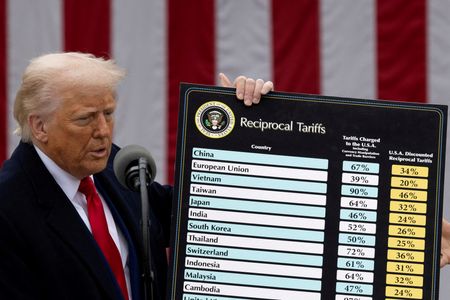
The tariffs, announced exactly one year ago on April 2, created massive disruption across American businesses. More than 330,000 importing companies paid the taxes and are now collectively seeking approximately $166 billion in refunds from the federal government.
Financial institutions including commercial banks, hedge funds, and private credit companies are actively offering loans backed by these refund claims, according to industry experts.
“There’s a lot of money looking to be deployed,” explained Raniero D’Aversa, who leads the restructuring practice at law firm Orrick and advises clients on these transactions. “You’re paying interest, but you’re not giving away 50% of your claim. You still own the claim.”
The loan arrangements typically function as term loans where interest accumulates and gets paid from the eventual refund. This structure appeals to importers because they maintain ownership of their claims instead of selling at reduced prices.
Neil Seiden, who serves as managing director at Asset Enhancement Solutions and helps arrange corporate debt financing, said the investment funds he partners with require minimum loans of $10 million supported by tariff claims worth at least $20 million.
However, these deals carry substantial risks for both parties. Companies face steep interest charges, while lenders risk losing money if collateral values drop or borrowers cannot repay. Currently, businesses can sell a $500,000 claim outright for roughly 55 to 75 cents per dollar, according to Seiden.
“What happens if the market goes from fifty cents to twenty cents? Now my collateral value has diminished and my loan is at risk,” D’Aversa warned.
The timing of refund payments will determine whether borrowing makes financial sense compared to selling claims immediately. Using a hypothetical 15% interest rate, the break-even point for borrowing versus selling a claim at 80 cents per dollar occurs at just over two years, Seiden calculated.
Trade specialists predict refunds could require at least two years to process, citing the Trump administration’s resistance to payments along with potential appeals, eligibility reviews, and bureaucratic delays. The U.S. customs agency announced Tuesday it was developing a refund system, though some payments may face delays.
“Every company will make a different decision depending upon how their business is doing and when they think the refund will be received,” Seiden noted. He emphasized that lenders perform thorough reviews to ensure borrowers can handle repayment, and any interest not covered by refunds must come from company funds.
Seiden’s firm has completed $20 million in tariff claim purchases but has not yet finalized any loans.
Meanwhile, some investors prefer purchasing refund rights directly from importers. Brian Coppola, managing partner at Outpost Capital Partners, said he plans to invest billions in refund claims and has already bought several from major U.S. retail chains.
As this market expands, buyers are seeking additional protections. Tony Gulotta, a principal at tax consulting firm Ryan, said he has explored contingency insurance options with buyers to guard against seller bankruptcy or loss of cooperation during the refund process.
Large retail companies may present extra risks if they passed tariff costs to customers, potentially triggering class-action lawsuits, Gulotta explained.
“Their customers will want that money back,” Gulotta said. “If you’re buying from a retailer, you have to distinguish any liability they might have to consumers.”