
Companies across the nation are rushing to file lawsuits at a specialized Manhattan courthouse, hoping to recover their portion of more than $130 billion in tariff payments that were recently declared illegal.
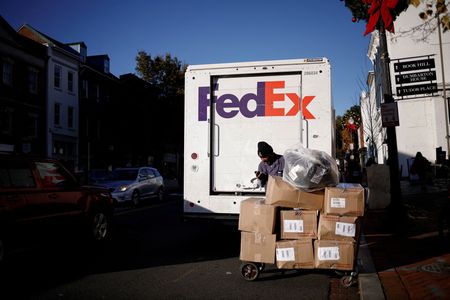
Major corporations including FedEx and L’Oreal, along with hundreds of smaller businesses, have submitted approximately 2,000 legal claims to the U.S. Court of International Trade, court documents reveal. These companies want refunds for duties imposed during the Trump administration that the Supreme Court struck down on February 20.
The flood of new filings represents a massive jump compared to 2024, when the trade court received just 252 new cases throughout the entire year.
This surge may only be the beginning, as the invalidated tariffs affected more than 300,000 importing companies nationwide. The Supreme Court’s ruling did not specify how refunds should be handled, leaving that complex task to customs authorities and the trade court’s eight active judges.
The Manhattan court typically manages disputes involving anti-dumping rules and import category disagreements for products ranging from window coverings to pig fat. Now it must navigate this unprecedented volume of tariff refund requests.
Several companies that originally challenged the tariffs, including toy manufacturer Learning Resources and spirits importer VOS Selections, have returned their cases to the trade court following the Supreme Court victory.
Attorneys representing five of these companies filed a February 24 proposal suggesting their cases should function as pilot lawsuits to establish how refunds will be calculated and distributed. Under this plan, remaining cases would be temporarily suspended.
However, not all affected businesses want to wait for this process to unfold.
Smaller importing companies, which represent the majority of businesses that paid these tariffs, hope to avoid expensive litigation that can cost thousands in attorney fees. These businesses are pushing for Customs and Border Protection to create a straightforward, affordable refund system, possibly through a dedicated website where companies could submit basic information to receive reimbursements.
Trade attorneys suggest CBP might require importers to navigate its existing administrative procedures, which involve filing formal protests. The situation becomes more complex because tariffs paid early in 2025 might be handled differently than more recent payments.
Trade attorney John Peterson, who has filed several cases in the current wave of refund claims, described the process as “the mega-question.”
Customs and Border Protection has not responded to requests for comment about their planned approach.
In their February 24 court submission, the companies’ legal teams pointed out that the trade court has successfully managed similar large-scale refund situations before, though involving fewer claimants and less money.
A comparable refund wave began following a 1998 Supreme Court decision that eliminated a tax collected from exporters for eleven years. “This court employed a similar approach with respect to the challenges to the Harbor Maintenance Fee,” the attorneys noted in their filing.
During that earlier case, the trade court temporarily halted thousands of lawsuits and created a steering committee of specialized trade lawyers to oversee a single test case. This pilot lawsuit addressed key issues like refund interest rates and filing deadlines, with the court’s decisions applying to all pending cases.
The court approved a refund system less than six months after the Supreme Court invalidated that tax. The process required each claimant to file individual lawsuits and submit claim forms to CBP. When disagreements arose between importers and CBP, or when legal questions emerged, parties could request court review.
Within approximately two and a half years of the Supreme Court’s harbor tax ruling, about $730 million was distributed to as many as 100,000 claimants, according to research published on the trade court’s website.
The legal team representing VOS Selections and four other companies in the current litigation has asked the trade court to essentially follow this established model, allowing their cases to proceed and create a refund framework applicable to all affected businesses.
While the harbor tax litigation offers a blueprint, the current situation involves an unprecedented scale of tariff payments requiring reversal. Government court filings indicate that as of December 10, the illegal tariffs were collected on approximately 34 million shipments.
“There’s still a lot of questions that are going to need to be answered, and whenever you have $133 billion at stake, there’s going to be disputes,” explained Daniel Pickard, a trade attorney who has not filed tariff-refund cases. “So you’ve got to think that there’s going to be a whole bunch more litigation before this is all over.”