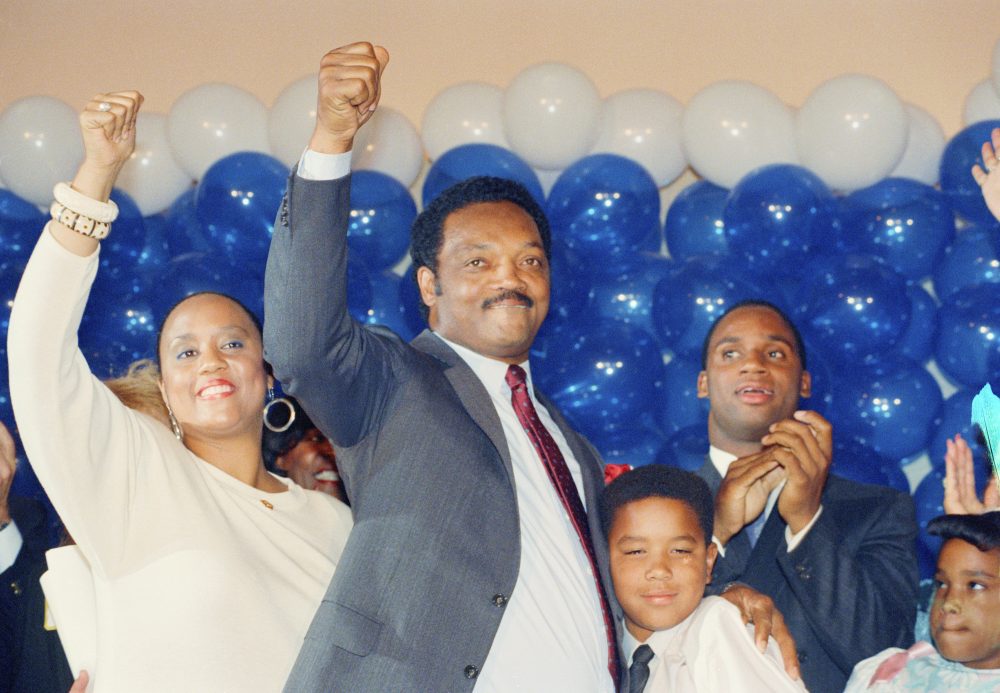

COLUMBIA, S.C. — Civil rights champion Rev. Jesse Jackson Sr. will receive final state honors Monday as he lies in state at South Carolina’s capitol building, marking a homecoming for the activist who launched his decades-long fight for equality in the Palmetto State.
The ceremony represents a remarkable journey from Jackson’s early days in segregated Greenville, where as a young man in 1960, he was barred from entering the well-funded whites-only section of the public library to borrow a book he required.
That moment sparked Jackson’s first act of defiance when he guided seven Black high school students into the segregated library section, where they quietly sat reading books and magazines before police took them into custody. The library branches subsequently shut down before quietly reopening to serve all residents.
This bold action marked the beginning of Jackson’s lifelong mission for equal rights, eventually drawing notice from Rev. Martin Luther King Jr. and leading to his participation in the historic voting rights march from Selma to Montgomery, Alabama.
Jackson passed away on February 17 at 84 years old following his battle with a rare neurological condition that impacted his movement and speech during his final years.
Monday’s South Carolina tribute represents one part of a two-week series of memorial events that started last week when Jackson’s body was displayed for public viewing at his Rainbow PUSH Coalition headquarters in Chicago.
Following the South Carolina ceremony, Jackson will return to Chicago for a major celebration of life service at a large church, followed by final memorial services at Rainbow PUSH headquarters. A planned Washington, D.C. service has been delayed to a future date.
Throughout his career, Jackson championed causes for America’s poor and marginalized communities, fighting for voting access, employment opportunities, educational advancement and healthcare access. He achieved notable diplomatic successes working with international leaders.
Using his Rainbow PUSH Coalition as a platform, Jackson transformed calls for Black empowerment and self-reliance into corporate pressure campaigns, demanding business leaders create a more inclusive and fair American society. Following King’s assassination, he emerged as a leading voice in the Civil Rights Movement and pursued the Democratic presidential nomination twice, in 1984 and 1988.
Jackson maintained strong ties to South Carolina throughout his life, pushing Greenville County in 2003 to recognize the federal Martin Luther King Jr. holiday and advocating in 2015 for the removal of the Confederate flag from the State House grounds following the racist massacre of nine Black church members in Charleston.
Jackson becomes only the second Black man to receive the honor of lying in state at South Carolina’s capitol. State Senator Clementa Pinckney received this distinction in 2015 after being murdered in the Charleston church attack.