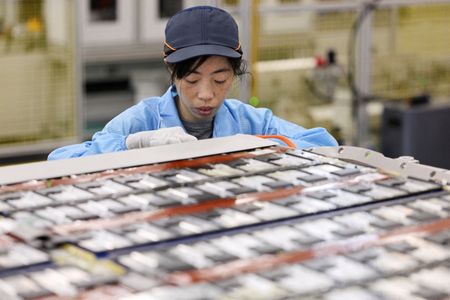

Manufacturing activity in China remained stagnant during May, according to official data released Sunday, as the sector faced challenges from declining domestic demand and increased production expenses.
The government’s manufacturing purchasing managers’ index (PMI) fell to 50 from April’s 50.3, hovering at the threshold that divides expansion from decline, the National Bureau of Statistics (NBS) reported. Financial analysts surveyed by Reuters had predicted the reading would hold at 50.
While production capacity increased, orders declined, with manufacturing PMI sub-categories showing production at 51.2 and new orders at 49.9. Raw material inventory levels registered 48.6 in the survey.
These PMI findings contribute to worries about economic deceleration, following information released earlier this month indicating growth pace slowed in April even as exports bounced back.
Ongoing challenges in real estate markets, job creation and household spending continue to hinder expansion, making China dependent on international demand to purchase goods from its manufacturing industries.
The Chinese government has pledged to tackle the supply-demand imbalance and established a more modest GDP growth objective for 2026, providing additional space for policy changes.
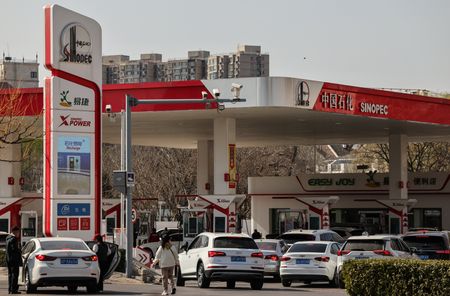
Military conflict in the Middle East, which began in late February and resulted in the practical shutdown of the crucial Strait of Hormuz, has driven energy costs higher, posing risks to manufacturer profitability as expenses climb.
A meeting between Chinese and U.S. leaders in Beijing during mid-May failed to produce an extension of the trade agreement the two nations negotiated late last year, though both countries committed to investigating opportunities for duty reductions on approximately $30 billion worth of products from each side.
External influences have affected Chinese manufacturers unevenly. Petrochemical companies and other primary industries have suffered most from rising imported material costs, while inventory building by purchasers worried about additional price increases and worldwide appetite for semiconductors and related artificial intelligence products have supported advanced manufacturing.
Technology and equipment manufacturing exceeded overall sector performance in May, recording PMI scores of 52.9 and 52.1, NBS information indicated. Operations in energy-intensive industries, however, declined.
The non-manufacturing PMI, covering services and construction sectors, increased to 50.1 from April’s 49.4, NBS data revealed.