
Chinese export growth experienced a dramatic decline in March, falling to just 2.5% compared to the same period last year, according to data released Tuesday by China’s customs agency. This represents a steep drop from the robust 21.8% growth rate recorded during January and February combined.
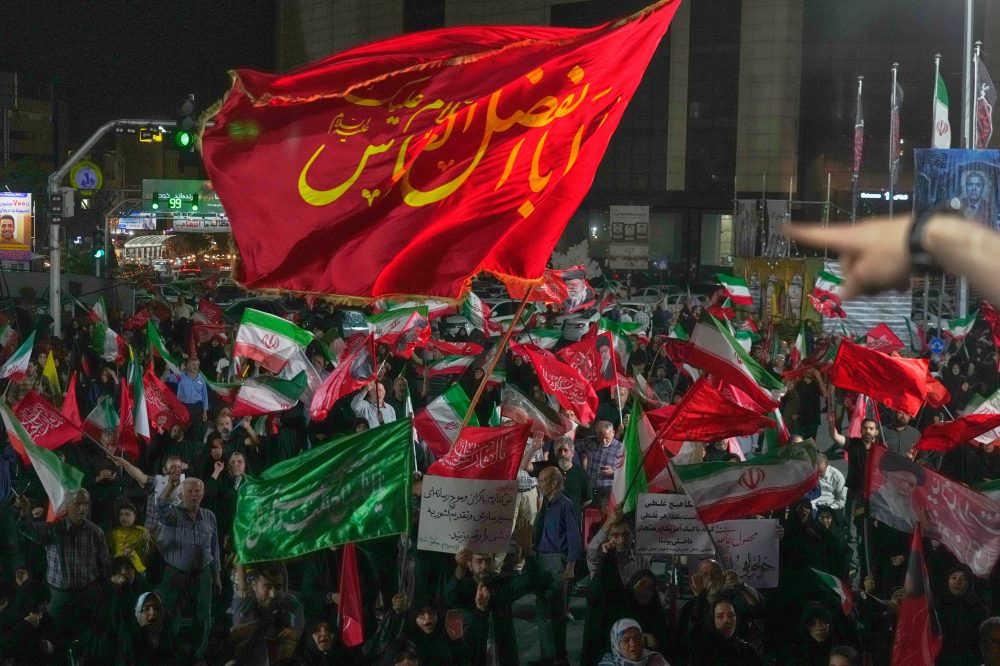
The March figures fell short of what analysts had predicted and highlight growing concerns about the impact of the Iran conflict on international trade. Meanwhile, China’s imports jumped significantly by 27.8% last month, an increase from the 19.8% year-over-year growth seen in the first two months of 2026.
Early this year, China’s strong export performance was driven largely by technology-related products, particularly semiconductor shipments that benefited from the global artificial intelligence surge. However, economists warn that the ongoing Iran war could dampen worldwide appetite for Chinese goods throughout the remainder of 2026.
“China’s exports have decelerated as the Iran war starts to affect global demand and supply chains,” said Gary Ng, a senior economist for Asia Pacific at French bank Natixis.
Bank of America economists, led by Helen Qiao, noted in a recent analysis that while China saw strong export recovery in the first two months of the year, demand will likely soften due to energy market disruptions caused by the conflict. They warned that risks will “arise from a persistent global slowdown in overall demand if the conflict lasts longer than currently expected.”
Trade tensions with the United States have also created challenges for Chinese exporters. President Donald Trump’s increased tariffs on Chinese goods and ongoing diplomatic friction between Washington and Beijing have pressured China’s shipments to American markets in recent months. In response, China has expanded its export focus to alternative markets in Europe, Southeast Asia, and Latin America.
Market watchers are paying close attention to Trump’s scheduled Beijing visit in May for meetings with Chinese President Xi Jinping, which was postponed due to the Iran conflict.
For 2026, Chinese officials have established an economic growth target between 4.5% and 5%, marking the most conservative goal since 1991. China successfully achieved its “around 5%” growth objective for 2025, largely driven by strong export performance that generated a record $1.2 trillion trade surplus. Economists believe exports will remain crucial for sustaining economic growth this year, particularly as China’s domestic real estate sector continues to struggle, limiting internal demand and investment opportunities.