
BEIJING – Chinese authorities have unveiled a comprehensive long-term care insurance program designed to support families struggling with the challenges of an aging population and strengthen the nation’s social support structure.
The initiative, announced by China’s state council on Wednesday, commits to delivering services and financial assistance for essential nursing and medical care to individuals experiencing long-term disabilities of six months or longer.
According to the official Xinhua news agency, this program represents a crucial element of China’s social security framework and is essential for “actively addressing population aging.”
The announcement follows approximately three weeks after China’s National People’s Congress, during which officials indicated they would enhance supportive measures for elderly citizens, encompassing pension funding, health services, and care provisions.
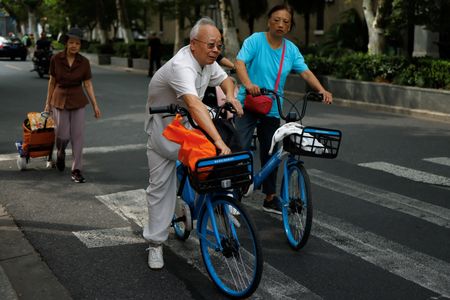
Projections indicate that by 2035, China’s population over age 60 will reach 400 million individuals – approximately equivalent to the combined populations of the United States and Italy – resulting in hundreds of millions departing the workforce while pension systems face existing financial pressures.
Demographic experts are issuing warnings about continued population decreases in China, which experienced its fourth straight year of decline in 2025 as birth rates hit historic lows.
The long-term insurance structure establishes a three-year goal to create “a unified system covering the entire population.”
This development builds upon pilot initiatives that commenced in 2016.
Officials emphasized that for individuals with disabilities, this program meets essential needs and significantly enhances quality of life.
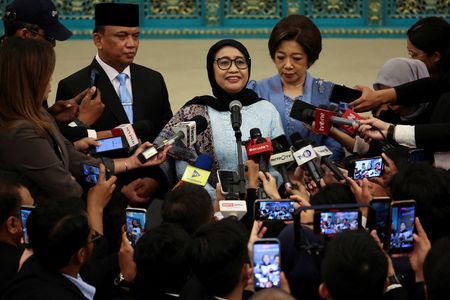
“Bathing, haircuts, eating, dressing changes — these are no longer distant hopes for those confined to a sickbed, but rather bedside, accessible, attentive care,” stated Wang Wenjun, deputy head of the National Healthcare Security Administration during Thursday’s press conference.
Financial support will derive from employer contributions, individual payments, and government funding, totaling approximately 0.3% in contribution rates.
Wang explained that both rural and urban residents will access the same funding source and receive identical benefits.
China continues to confront significant disparities in care and services between rural and urban regions, with authorities promising to “markedly narrow” the healthcare gap between these areas by 2035.