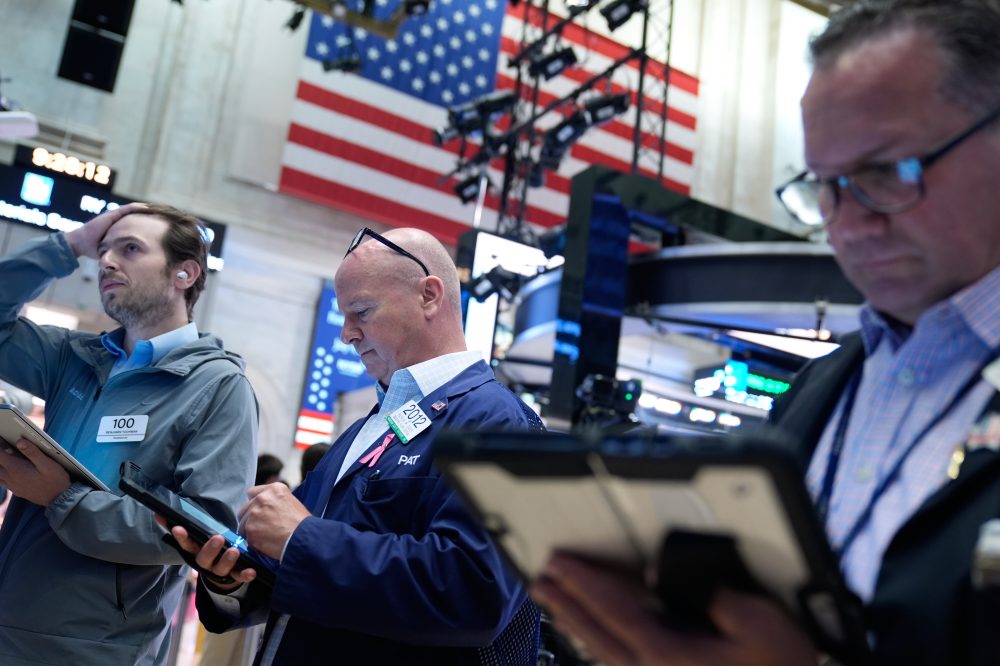

Global financial markets remain volatile as conflicting statements from Iranian and American officials regarding potential peace negotiations continue to create uncertainty among investors dealing with skyrocketing energy costs.
Trading sessions across Asia showed erratic patterns, with stock prices fluctuating between positive and negative territory. European market indicators suggest a weaker opening, though outcomes will largely depend on rapidly changing Middle Eastern developments.
The current situation presents a complex picture: Iranian officials stated they are examining an American ceasefire proposal but emphasized they have no plans to engage in negotiations to resolve the ongoing hostilities. Conversely, President Donald Trump claimed Iran is eager to reach an agreement to conclude nearly a month of warfare.
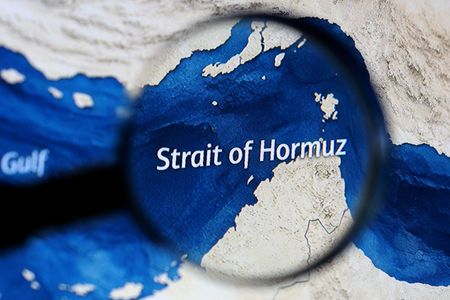
The effective blockade of the Strait of Hormuz has severely impacted global energy supplies, as this waterway typically handles twenty percent of worldwide oil and liquefied natural gas shipments. Nations worldwide are now confronting fuel shortages, supply disruptions, and escalating energy costs.
South Korean leader Lee Jae Myung urged citizens Thursday to reduce electricity consumption, while energy regulators in the Philippines announced the suspension of the nation’s wholesale electricity marketplace across all three power grids.
Oil prices exceeding $100 per barrel threaten to impact the worldwide economy, with certain nations facing greater vulnerability and limited capacity to manage increasing energy expenses.
These circumstances have prompted investors to continue their month-long pattern of divesting from equities and bonds, with the dollar serving as the primary safe-haven asset.
Regional Asian markets have experienced significant selling pressure, with the MSCI Asia-Pacific index excluding Japan projected to decline 8.7 percent for the month, marking the largest monthly decrease since October 2022.
International investors have liquidated $50 billion in regional equities following the commencement of U.S. and Israeli military operations against Iran on February 28, which subsequently triggered Iranian counterattacks and expanded conflict into Lebanon.
The European STOXX 600 index continues facing downward pressure as the continent’s reliance on petroleum imports has negatively affected equity markets since hostilities began. This comprehensive index has dropped over 7 percent, while the S&P 500 has declined slightly above 4 percent during March.
Important economic indicators scheduled for Thursday include German consumer sentiment data for April, French consumer confidence figures for March, and quarterly earnings reports from Delivery Hero and Porsche.