
Smartphone sales in China took a significant hit during the country’s 618 shopping festival, falling 13% compared to the same period last year, according to new figures from Counterpoint Research.
The decline covered the period from May 26 through June 21, with nearly every major Chinese smartphone brand suffering double-digit drops. Honor saw its sales plunge 33%, while Xiaomi recorded a 24% decrease. The culprit, analysts say, was a combination of higher device prices and fewer aggressive promotions than shoppers saw during last year’s event.
The reason behind the pullback on discounts traces back to the cost of memory chips. The rapid expansion of artificial intelligence infrastructure has driven up memory prices, squeezing smartphone makers and leaving them with little room to slash prices during what is traditionally one of China’s biggest retail moments.
Ivan Lam, a senior analyst at Counterpoint Research, explained the situation this way: “Some older and newer models from Chinese smartphone brands were priced higher than comparable models a year earlier, while discounts during this year’s 618 festival were generally less aggressive, both in terms of the size of price cuts and the range of products covered.” He added, “Apple’s prices were broadly unchanged, but its discounts were also smaller.”
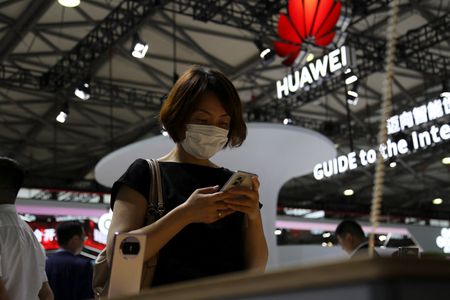
Huawei Technologies stood out as the clear exception, capturing a 21% market share and posting a 19% increase in sales year-over-year. Its Enjoy 90 Pro Max was its top-selling device, and the Mate 80 also performed well thanks to promotional support.
Apple, meanwhile, saw its sales slip 9% from a year ago, despite moving up to the second-place position in the market. The company had rolled out incentives roughly a month before June 18, offering savings of as much as 2,000 yuan — approximately $295 — on the iPhone 17 Pro series through a combination of official price reductions, platform subsidies, and trade-in offers. Even so, Apple’s numbers trailed last year’s figures, partly because promotions for the iPhone 16 series were more substantial during the same stretch in 2024.
The 618 festival traces its origins to a single-day event commemorating JD.com’s founding on June 18, 1998. Over the years, it has expanded into a month-long retail campaign, with e-commerce platforms competing intensely for consumer dollars.
In recent years, though, China’s major shopping festivals have lost some of their former energy. Extended discount windows and cautious consumer spending have dampened enthusiasm for big purchases, even when prices are reduced.
Counterpoint noted that the festival did help smartphone sales rebound in June compared to May. However, the research firm cautioned that the market is likely heading into a seasonal lull and could see shipments fall by double digits for the full year.