
Chinese officials are intensifying their efforts to eliminate any public remembrance of the 1989 Tiananmen Square massacre, blocking families of victims from visiting graves on Thursday’s 37th anniversary of the deadly crackdown on pro-democracy demonstrations.
Authorities informed family members they would be prohibited from accessing a Beijing cemetery on the anniversary date, according to an individual familiar with the situation who requested anonymity due to concerns about retaliation.
For over three decades, family members belonging to the Tiananmen Mothers organization had conducted annual cemetery visits on the anniversary to deliver memorial statements while under police surveillance, according to Amnesty International.
The 1989 military assault resulted in hundreds or potentially thousands of deaths as armed forces pushed through crowds attempting to block troops from reaching demonstrators in the expansive central Beijing plaza. The Communist Party leadership’s choice to deploy military force marked a crucial turning point in China’s contemporary history, establishing that economic reforms transforming the nation into the globe’s second-largest economy would proceed without accompanying political freedoms.
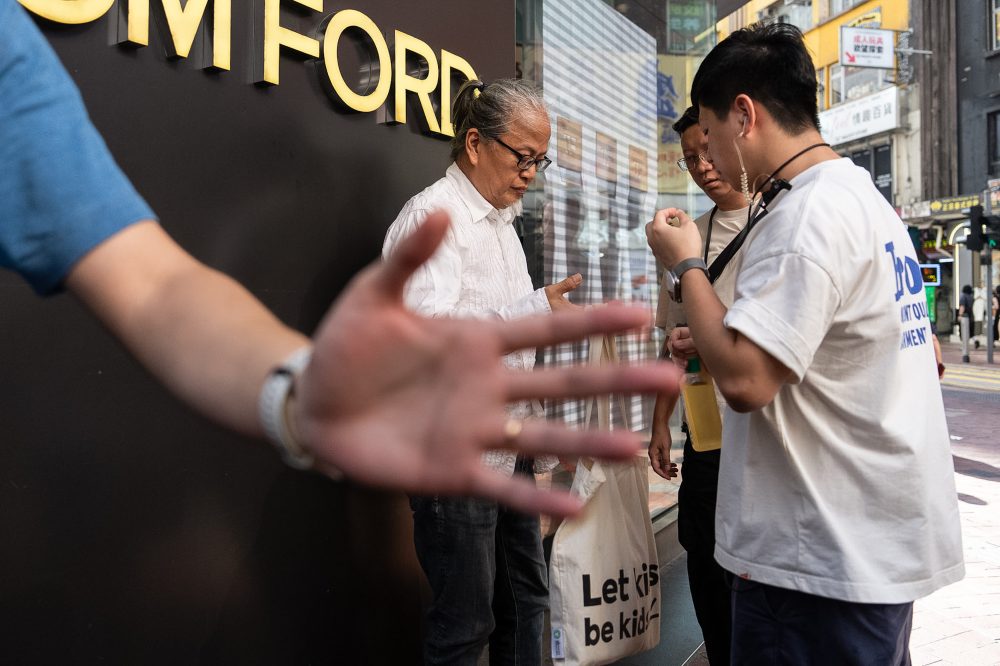
In Hong Kong, law enforcement increased security measures Thursday to block any commemorative activities at or around a park that previously hosted an annual massive candlelight ceremony until restrictions began following significant anti-government demonstrations in 2019. On Wednesday, officers detained two performance artists attempting symbolic acts in separate events, including one who briefly displayed a question-mark-shaped balloon outside a retail store.
U.S. Secretary of State Marco Rubio, who recently traveled with President Donald Trump on a state visit to Beijing, released a commemorative statement. “No amount of censorship can erase the past,” it said. “Those who sacrificed to uphold their unalienable rights of free expression and peaceful assembly will be vindicated someday.”
The Tiananmen Mothers organization published their yearly justice appeal before this year’s anniversary. Their declaration, endorsed by 107 individuals, called for complete transparency about the events, victim and family compensation, and legal prosecution of responsible parties.
“The sacrifice of our family members is an indelible pain etched in our hearts. Our tears have run dry, grief is buried deep within, what remains is eternal remembrance of our family members and hatred for the crime of massacring the people,” Zhang Xianling, a group member, stated in a Facebook video message — a platform banned within China.
Amnesty expressed serious concern about China’s apparently intensifying suppression of commemoration efforts. “Banning the relatives of people killed in the Tiananmen crackdown from visiting their loved ones’ graves is a heartless act by the Chinese authorities,” Sarah Brooks, the organization’s deputy director for Asia, said in a statement.
The Beijing Public Security Bureau failed to respond to a faxed comment request.
Hong Kong officials have prohibited the vigil since 2020, initially citing COVID-19 pandemic concerns. Three vigil organizers face charges under a 2020 national security law, with one entering a guilty plea that could lead to reduced sentencing while the other two await trial verdicts.
Lawyer Chow Hang-tung, one of the defendants, announced in a recent online post that she would conduct a 37-hour prison hunger strike. “Behind the glitter of power and dictatorship lies the blood and broken dreams of ordinary people. For in amnesia lies the demise of democracy,” she wrote.
Derek Chu, a former district councilor, posted on Instagram that he visited Chow on Thursday and pledged to join her 37-hour fast in solidarity. He noted that his shop is distributing LED candles for victim remembrance.