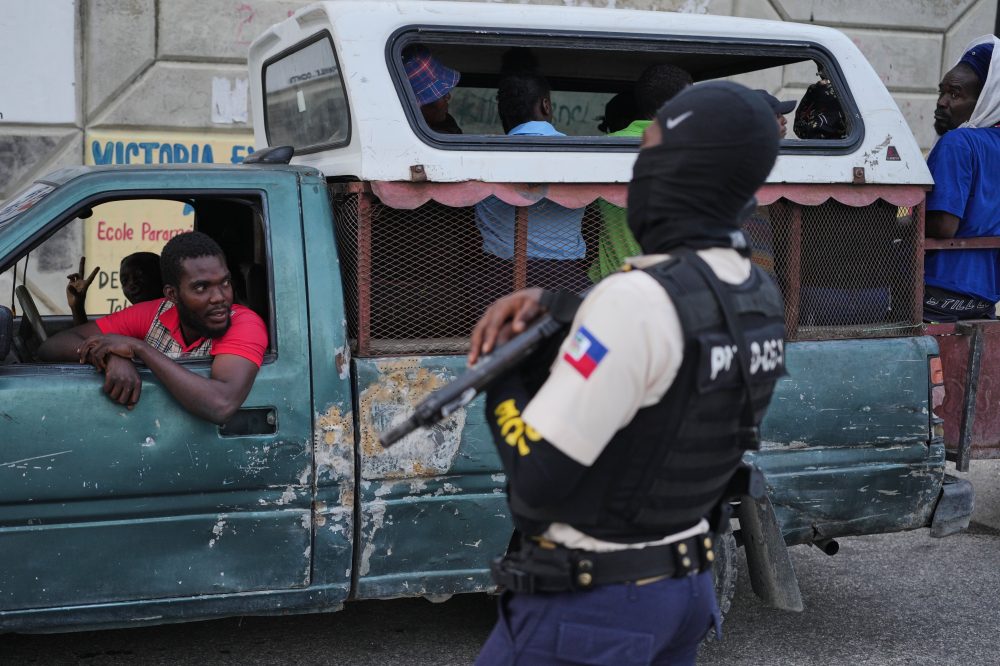

PORT-AU-PRINCE, Haiti — Military personnel from the African nation of Chad have touched down in Haiti’s capital city, marking the beginning of a new United Nations-supported mission designed to combat rampant gang violence, officials announced Wednesday.
The Chadian military team has arrived in Port-au-Prince alongside Jack Christofides, who serves as the mission’s special representative. Both were sent following a formal request from Haiti’s government, according to an official announcement shared on the force’s social media platform.
Officials did not release additional specifics about the deployment, and representatives for the mission have not responded to requests for more information.
The arrival of the Chadian personnel follows discussions between United Nations officials and Haitian Prime Minister Alix Didier Fils-Aimé regarding collaboration with the U.N. Support Office in Haiti. This office will supply the new mission with essential resources including housing, workspace, medical services, food supplies, water, electricity, fuel, transportation, aircraft support and other vital assistance.
In late September, the U.N. Security Council gave approval for a 5,550-member mission designed to replace a Kenya-led international force that struggled with insufficient personnel and funding during its deployment. The previous operation only managed to deploy roughly 1,000 troops instead of the planned 2,500.
Unlike its predecessor, the new gang-suppression mission will possess authority to detain suspected gang members, a capability the earlier force lacked.
Criminal organizations currently maintain control over approximately 90% of Haiti’s capital city and significant portions of the nation’s central territories.
According to the most recent United Nations data, more than 5,500 individuals lost their lives throughout Haiti and over 2,600 sustained injuries between March 1, 2025 and January 15, 2026. The ongoing gang warfare has also forced more than 1.4 million residents to flee their homes in the country of nearly 12 million people.