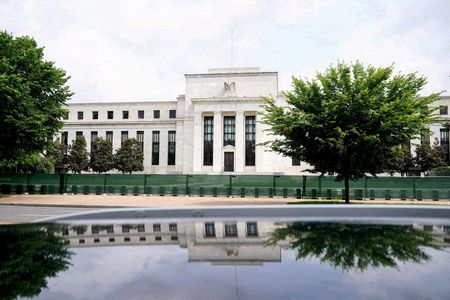

Financial institutions worldwide are experiencing mounting political pressure as they implement unpopular policies to combat rising prices, potentially undermining their independence and worsening economic conditions, according to current and former officials.
Price increases have accelerated globally following the conflict in Iran that drove up oil costs, compelling financial institutions to increase borrowing costs or postpone previously announced reductions to prevent temporary economic disruption from becoming permanent.
“It’s easy to be an independent central banker member when inflation is low … and it’s much more complicated when inflation is up and you have to do things that people do not like,” Helge Berger, deputy director at the IMF’s European Department, told a conference on Saturday.
“It’s hand to hand combat,” he said. “We need to get the current situation right.”
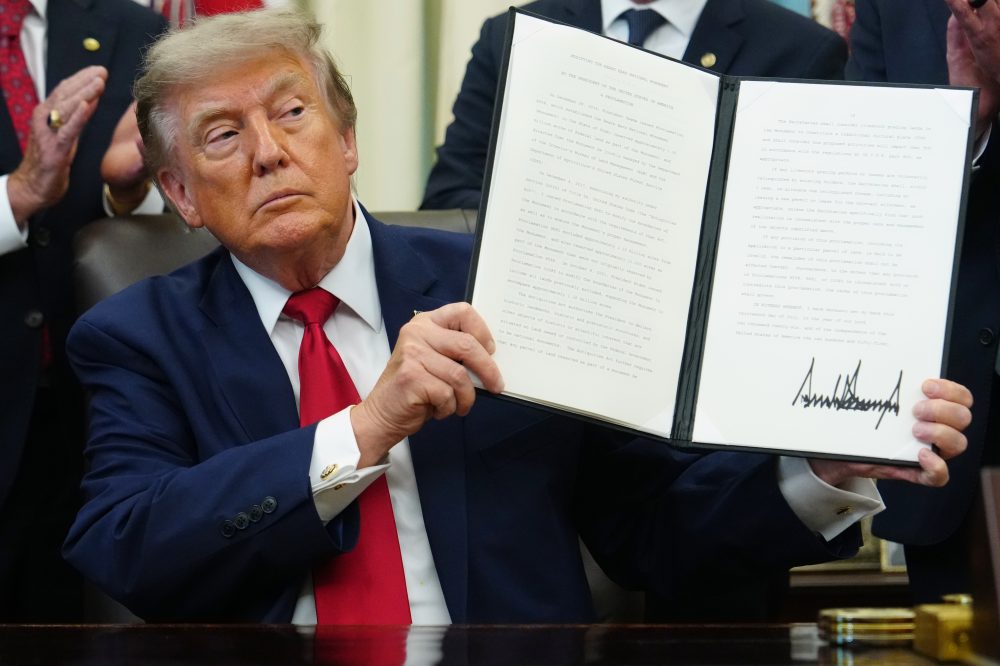
The most prominent challenge to autonomy has come from U.S. President Donald Trump’s repeated calls for lower interest rates, though political interference has been widespread and often more subtle elsewhere, officials noted.
Various financial institutions face requests to adjust policies supporting industrial objectives, while others encounter demands to transfer earnings to government budgets or receive contradictory directives.
Elevated government borrowing levels also create practical limitations on independence, restricting the ability to implement tighter policies since higher borrowing costs – the standard remedy for inflation – could spark a debt emergency.
When markets question whether a financial institution operates independently to combat inflation, they start anticipating accommodative policies, making price control even more challenging.
“Independence is often taken for granted when it works, but difficult to rebuild once it has been damaged,” Bundesbank board member Burkhard Balz said. “Monetary policy needs protection from short-term political incentives if it is to deliver price stability.”
Some participants argued that financial institutions’ delayed reaction to the 2021-22 inflation surge also damaged their reputation.
Officials characterized the economic disruption as temporary for months before understanding its magnitude and initiating one of the most rapid policy tightening periods in history.
“Why did they come from behind? One of the reasons, I think, is our inclination and fixation to be what is called data dependent,” former Bank of Israel Governor Jacob Frenkel said.
“Data dependence is saying, until I see this happening, I’m not going to respond. By definition, when things are already there, you’re coming from behind.”