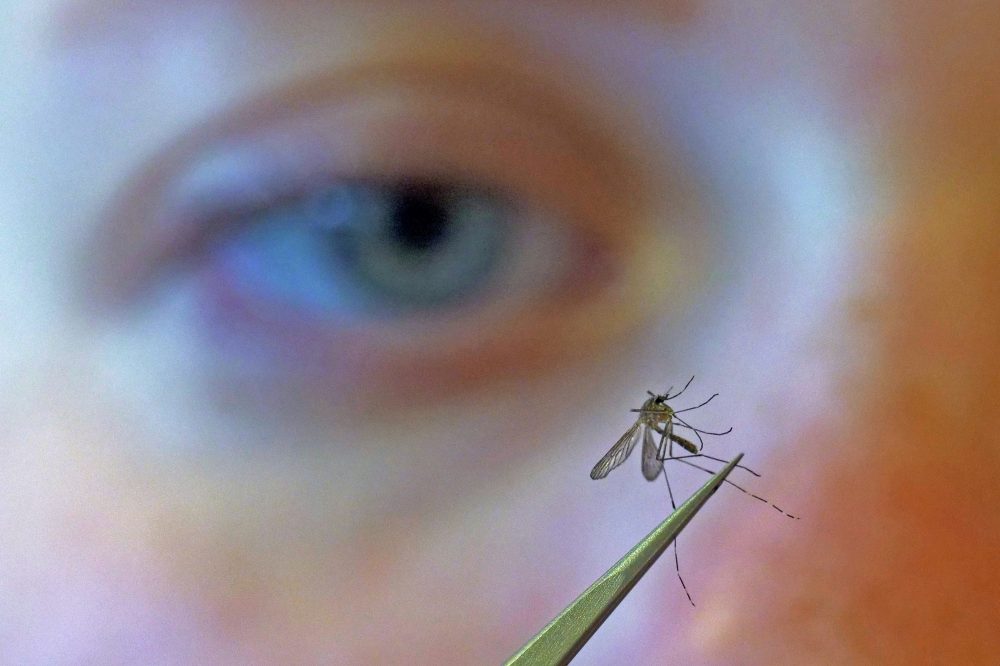

Health officials across the country are sounding the alarm about West Nile virus, warning that this season is shaping up to be the worst in more than 20 years — and urging people to take steps now to protect themselves from mosquito bites.
The Centers for Disease Control and Prevention announced Wednesday that at least 48 confirmed cases had been reported through June 30, with 38 of those considered severe. That’s a dramatic jump from the typical pace — since 2004, the CDC has averaged roughly 10 cases by the end of June. Officials also noted that 23 states have reported West Nile virus detections, the highest count in a decade.
“These findings serve as an important reminder that mosquito season is well underway,” said Dr. Erin Staples, a CDC expert on insect-borne diseases. “As families gather outdoors to celebrate Independence Day, we encourage everyone to enjoy their holiday while taking simple steps to protect themselves and their loved ones from mosquito bites.”
The bulk of cases have been concentrated in Arizona, which has recorded 32 infections — 29 of them in Maricopa County, the region surrounding Phoenix. That county has also reported four deaths tied to the virus so far this year.
Local health officials there have called on residents to apply bug spray with DEET, repair damaged window screens, and eliminate any standing water around their properties, since mosquitoes commonly use still water as a breeding ground.
“Even an overturned bottle cap can hold enough water for mosquitoes to breed,” said Melissa Kretschmer, a county health department official. “It’s important that we remove these breeding sources that can form after rain or watering plants.”
The CDC is also advising people to wear loose, long-sleeved clothing when spending time outside, which makes it more difficult for mosquitoes to reach the skin. Experts recommend avoiding outdoor activity during dusk and dawn, the hours when the mosquitoes most likely to carry the virus tend to be most active.
West Nile virus first appeared in the United States in 1999 in New York before slowly spreading throughout the country. The virus reached its peak in 2003, when nearly 10,000 cases were documented nationwide.
Researchers note that many infected individuals — potentially tens of thousands each year — never realize they’ve been exposed because they experience no symptoms or only minor ones, such as headaches, body aches, joint pain, vomiting, diarrhea, or rashes.
In more serious cases, the virus can attack the central nervous system, triggering dangerous inflammation of the brain or spinal cord. People over the age of 60 and those with underlying health conditions or compromised immune systems are at the greatest risk for these life-threatening complications.
Over the past decade, health officials have received reports of roughly 2,000 cases per year on average, including approximately 1,200 cases involving severe neurological illness and around 100 deaths annually.