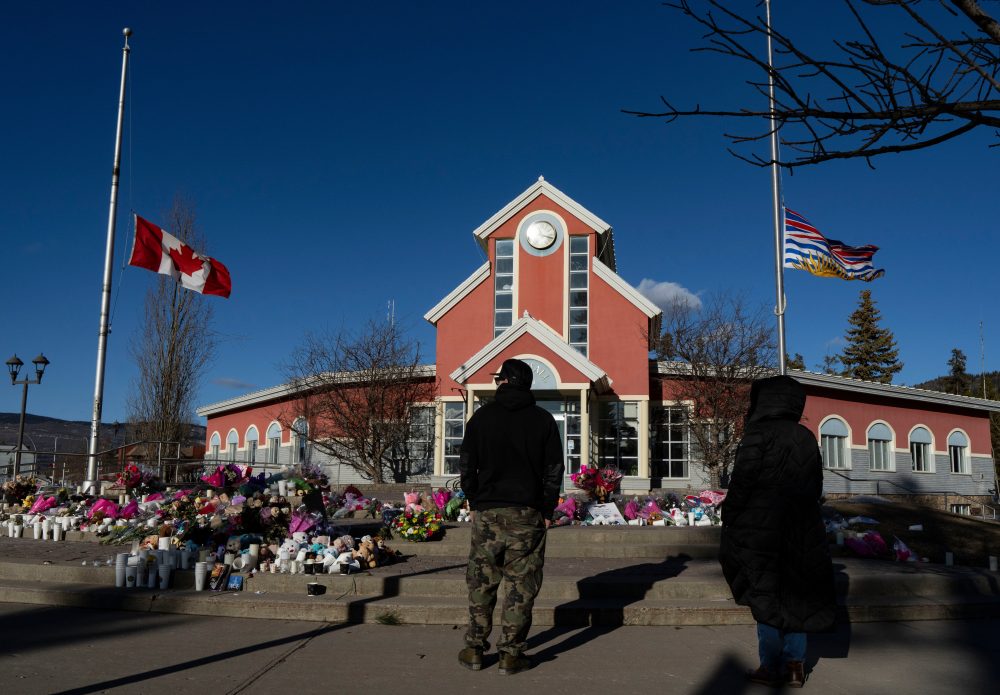

Relatives of those killed and wounded in a devastating February school shooting in British Columbia have filed federal lawsuits against OpenAI, arguing the artificial intelligence company bears responsibility for not warning law enforcement about the attacker’s disturbing exchanges with its ChatGPT system.
Legal action filed Wednesday represents 12-year-old Maya Gebala, who suffered critical injuries during the attack, marking the beginning of what attorneys say will be dozens of similar cases from families in Tumbler Ridge, British Columbia. The lawsuits include claims of wrongful death, negligence and defective product design.
Chicago-based attorney Jay Edelson, representing the families, stated during an interview that choices made by OpenAI and CEO Sam Altman “have destroyed the town. The people are really resilient, but what happened is unimaginable.”
Last week, Altman issued a formal written apology to the community, acknowledging his company’s failure to contact law enforcement regarding the shooter’s online activities.
According to investigators, the attacker murdered her mother and 11-year-old stepbrother at home on February 10 before launching an assault at Tumbler Ridge Secondary School, where she fatally shot five students and one staff member before taking her own life. The rampage left 25 others wounded, making it Canada’s most lethal mass shooting in recent years.
The litigation underscores growing worries about dangers from overly accommodating AI chatbots and questions regarding the technology sector’s duty to monitor them or alert authorities about users planning violent acts. Earlier this month, investigators looking into the deaths of two University of South Florida doctoral students revealed the suspect had consulted ChatGPT about disposing of bodies before the students vanished.
OpenAI responded to the legal challenge with a written statement saying the “events in Tumbler Ridge are a tragedy. We have a zero-tolerance policy for using our tools to assist in committing violence.”
“As we shared with Canadian officials, we have already strengthened our safeguards, including improving how ChatGPT responds to signs of distress, connecting people with local support and mental health resources, strengthening how we assess and escalate potential threats of violence, and improving detection of repeat policy violators,” the company stated.
Edelson, who specializes in challenging technology companies, currently handles multiple prominent cases against OpenAI, including representation for relatives of a California teen who committed suicide following ChatGPT conversations and another involving heirs of an 83-year-old Connecticut woman killed by her son after ChatGPT allegedly reinforced the man’s “paranoid delusions.”
“This is not a passive technology,” Edelson explained, contrasting chatbot interactions with traditional internet searches. “What we’ve seen in the past is that (for) people who are mentally ill, the chatbot will validate what they’re saying and then amplify what they’re saying.”
Last week, Edelson traveled to the small community of Tumbler Ridge, meeting with dozens of residents in a visitor center basement. He also visited Gebala at a Vancouver children’s hospital, where she continues treatment and appeared alert but unable to communicate verbally.
“It was so heartbreaking,” he remarked.
Wednesday’s legal filings represent families of the five murdered students: Zoey Benoit, Abel Mwansa Jr., Ticaria “Tiki” Lampert and Kylie Smith, all age 12, plus 13-year-old Ezekiel Schofield, along with education assistant Shannda Aviugana-Durand.
Following the shooting, OpenAI disclosed that in June, the company had identified the shooter’s account for discussing violence against others.
The company explained it weighed whether to report the account to the Royal Canadian Mounted Police but concluded the activity didn’t warrant law enforcement notification at that time. OpenAI suspended the account in June for policy violations.
Wednesday’s lawsuits claim “the victims didn’t learn this because OpenAI was forthcoming, but because its own employees leaked it to The Wall Street Journal after they could no longer stomach the company’s silence.”
In his Friday letter, Altman wrote he was “deeply sorry that we did not alert law enforcement to the account that was banned in June.”
“While I know words can never be enough, I believe an apology is necessary to recognize the harm and irreversible loss your community has suffered,” Altman stated.
British Columbia Premier David Eby responded on social media, calling the apology “necessary, and yet grossly insufficient for the devastation done to the families of Tumbler Ridge.”
The Gebala case charges OpenAI with negligence for failing to notify law enforcement and “aiding and abetting a mass shooting.”
Beyond monetary compensation, the Gebala lawsuit requests judicial orders requiring OpenAI to permanently ban users whose accounts were suspended for violent misuse, and mandating the company notify law enforcement when systems detect individuals posing “real-world risk of violence.”
While an initial case was filed in British Columbia court, legal teams from both countries are working to consolidate related cases in San Francisco, where OpenAI maintains headquarters.